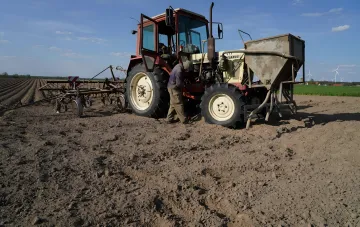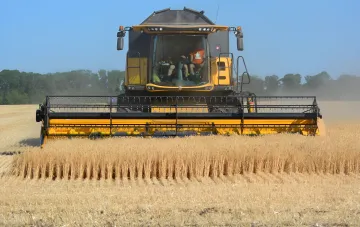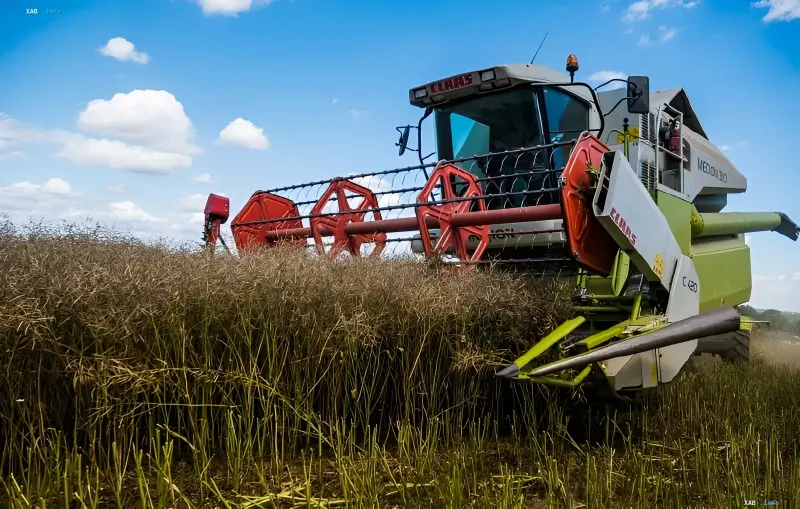
The Russian Federation has entered the active phase of the 2026 harvest campaign under unprecedented crisis conditions. The agricultural sector is facing a systemic shortage of diesel fuel, leading to a catastrophic slowdown in harvest rates. According to industry monitoring data and information from the Foreign Intelligence Service of Ukraine (HUR), the lag behind the indicators of the same period last year is estimated at nearly threefold.
Logistics Crisis and Distribution Priorities
The decline in the dynamics of harvesting operations is due not only to a lack of fuel but also to serious disruptions in railway logistics. Under conditions of maximum load on transport infrastructure, priority in the distribution of tank cars is given to meeting the needs of the defense sector and major industrial centers. Farmers, especially in remote regions, have been left out of priority supplies.
Fuel shortages are being recorded everywhere: from key southern agricultural regions to the central belt, the Urals, and the Volga region. Farming enterprises are forced to purchase diesel fuel at inflated prices from independent suppliers, leading to a sharp rise in production costs and a decline in profitability.
Loss Statistics: Numbers Changing the Picture
Operational data as of early July 2026 show a stark contrast with last year. While previously on this date about 4.2–4.6 million hectares of grain crops had been threshed, in the current season this figure is only 1.3–1.5 million hectares.
The situation is exacerbated by an overall reduction in the sown area, recorded at the end of the spring campaign:
- Spring crops: the sowing area decreased by 11.3% compared to last year's level.
- Winter crops: a decrease in sown areas of 7.4% was recorded.
Experts link this trend to a complex of problems: from a shortage of quality seed material and plant protection products to a lack of original spare parts for imported machinery (John Deere, Claas), the supply of which is restricted by sanctions.
Factors of Shortage and Risks for the Harvest
The main catalyst for the fuel shortage in the southern regions (Krasnodar and Stavropol Territories, Rostov Oblast), as well as in Lipetsk, Voronezh, Tambov Oblasts, Bashkortostan, and Yakutia, was a reduction in the volumes of primary oil processing. Technological incidents and emergency shutdowns at a number of major refineries in the European part of the country significantly reduced the supply balance in the domestic market.
Delays in harvesting operations due to a lack of fuel for more than 7–10 days during peak temperatures lead to natural losses of grain crops. Due to over-ripening and shedding of the ear on the stalk, losses may reach 25–30% of the potential volume.
Government Response and Data Transparency
Despite statements by representatives of relevant ministries, in particular Vice Premier Dmitry Patrushev, about the absence of critical threats to food security, detailed statistics are published in limited volumes. Data on grain collection volumes and the dynamics of wholesale prices for petroleum products on the St. Petersburg International Mercantile Exchange (SPIMEX) remain closed, which makes it difficult to independently assess the scale of the crisis.