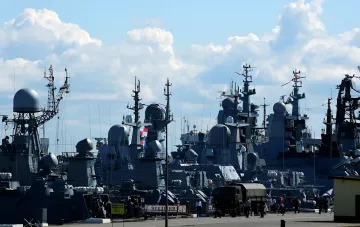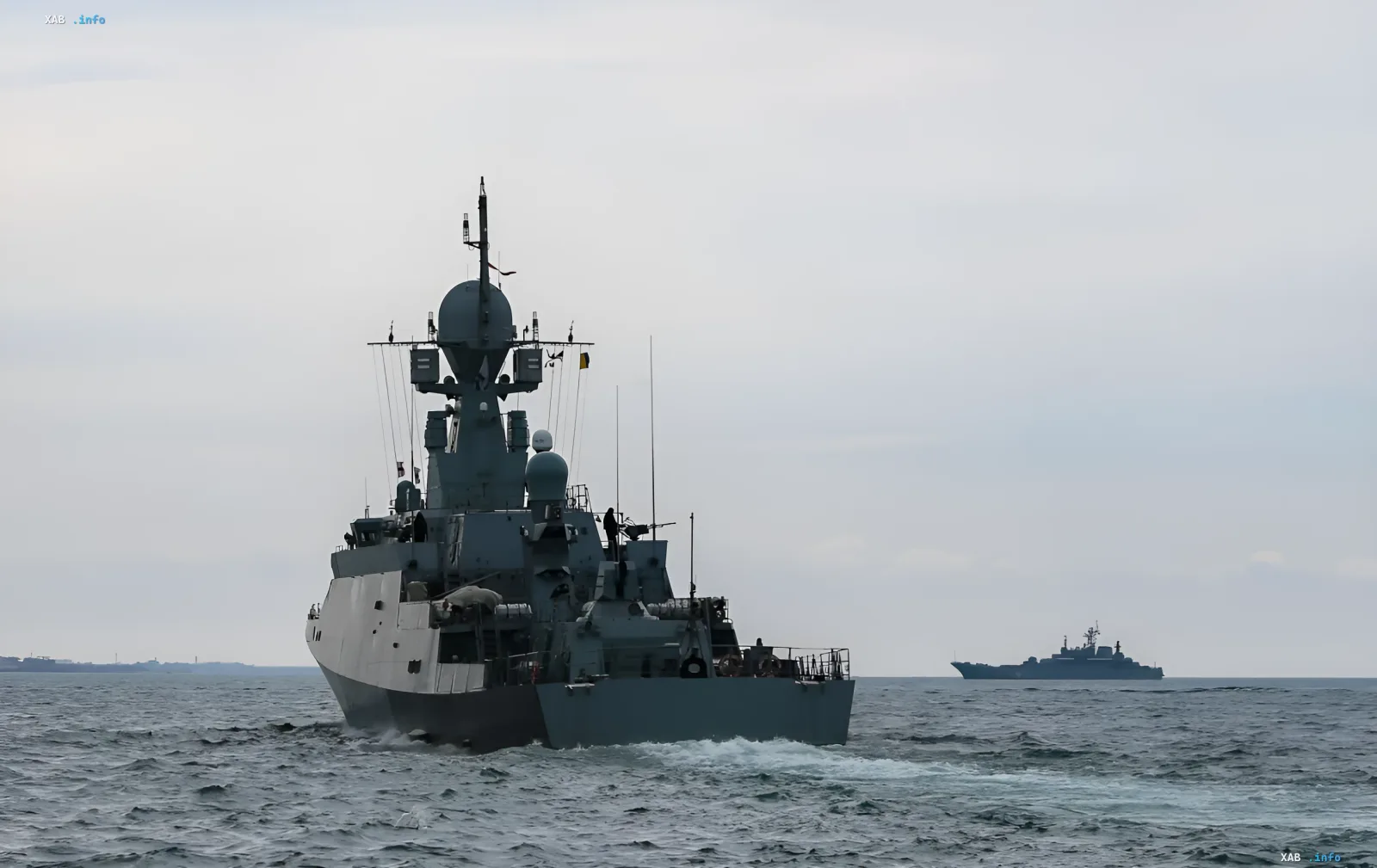
The Mediterranean Sea, traditionally an arena of active activity for the Russian Navy, has remained without Russian warships for the first time since 2013. This historic break in the fleet's presence is the result of a complex combination of geopolitical restrictions, changes in Syria, and the redistribution of naval forces to other strategic directions.
As of July 1, the waters of the Mediterranean Sea were completely cleared of Russian military equipment. Analysts note that this is the first time in the last 12 years that the region has been left without a permanent Russian military presence. The key factor that changed the balance of power was Turkey's decision to close the Bosphorus and Dardanelles straits to warships of belligerent countries after the start of the full-scale invasion of Ukraine.
The Montreux Effect and the Loss of the Tartus Base
Ankara applied the provisions of the Montreux Convention, which effectively deprived the Black Sea Fleet of the ability to freely transfer ships between the Black and Mediterranean Seas. The logistical chain was disrupted, making regular presence in the region extremely difficult.
An additional blow to logistics was the events in Syria. After the change of power at the end of 2024, Russia effectively lost its previous ability to use the material and technical support point in Tartus. For a long time, this base remained a key hub for servicing the Russian fleet in the region, but now its functionality for Russian purposes is significantly limited.
Route of the Last Ships
The last Russian vessels left the Mediterranean Sea in June, completing a multi-year mission. Satellite monitoring recorded the following sequence of events:
- On June 4, the frigate "Admiral Kasatonov" and the tanker "Akademik Pashin" were in the Syrian port of Tartus.
- A few days later, the ships visited the Egyptian city of Alexandria, where they celebrated Russia Day.
- Then the vessels were spotted off the coast of Sardinia.
- On June 22, the ships arrived at the Algerian port of Oran, after which they finally left the waters of the Mediterranean Sea.
Some ships were redeployed to perform other tasks. In particular, certain vessels are now escorting Russian state and special ships in Northern Europe, including areas off the coast of the United Kingdom.
Search for a New Base
Experts agree that the absence of the Russian fleet in the region is temporary. The Mediterranean Sea remains a critical route for Russian ships to access the World Ocean, so Moscow will likely continue to search for a new base.
One of the most likely options is Sudan. Previously, the authorities of that country stated that they saw no obstacles to ratifying an agreement with Russia to create a naval base on the coast of the Red Sea, which could become a new strategic base for the fleet.
Against the backdrop of these events, discussions continue regarding the 21st package of EU sanctions against Russia. The process is not yet complete due to disagreements between member states. One of the main obstacles was Greece's position, which opposed certain restrictions, stating that a ban on transshipping Russian liquefied natural gas to third countries could negatively affect European carriers and businesses.