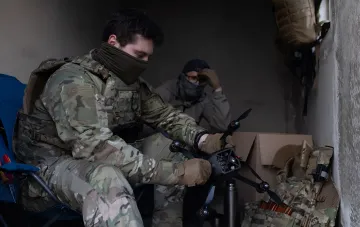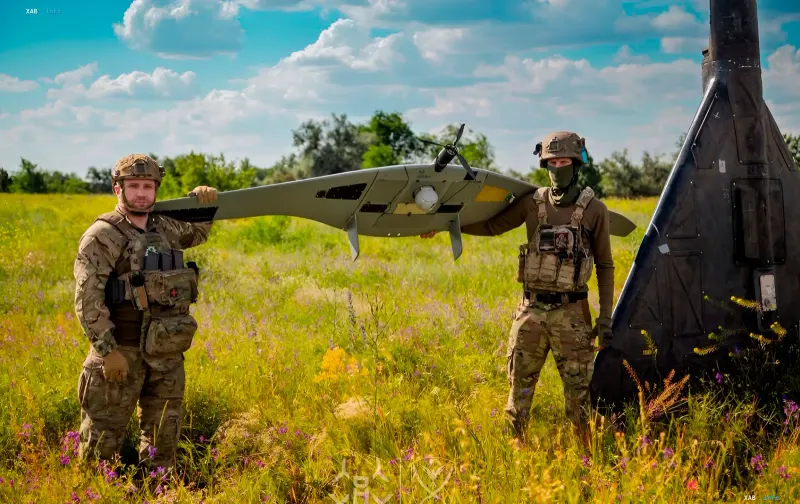
Since the beginning of 2026, fighters from the 23rd Khortytsia Brigade of the National Guard of Ukraine have hit 10,000 Russian drones in the Zaporizhzhia region. This was reported by RBC-Ukraine, citing the unit's official Facebook page. According to the brigade, these include both strike and reconnaissance drones, as well as equipment used by Russian forces to adjust artillery fire and conduct attacks on Ukrainian positions and infrastructure.
Rate: About 33 Drones per Day
If you divide the total figure by the period since the beginning of the year, it turns out that the unit's servicemen destroyed an average of about 33 enemy drones per day. This pace reflects the intensity of the aerial component of hostilities in the Zaporizhzhia direction, where, according to brigade representatives, the confrontation has long moved beyond the line of contact and is being waged simultaneously on the ground and in the sky.
Drones Against Drones
To counter air targets, the fighters use various weapons, but the largest share consists of interceptor drones manufactured by the General Chereshnia company. “Modern warfare has long gone beyond the line of contact. Today, the confrontation continues both on the ground and in the sky. This is a true war of technology, in which interceptor drones have become one of the most effective means of countering enemy drones,” notes brigade commander Colonel Ivan Bondar.
Interception Before Reaching the City
According to the commander, the Ukrainian military destroys enemy drones using other drones, intercepting targets while they are still approaching the city. “Every destroyed air target is a averted threat to the city, saved human lives, and the ability to maintain its vital activity,” he emphasizes. Thus, the interception system works as an element of protecting populated areas and critical infrastructure from air strikes.
Context: From Isolated Shootdowns to Serial Practice
The use of interceptor drones against Russian UAVs has been recorded previously: it was reported that an interceptor first shot down a Russian KUB-2E drone manufactured by ZALA. The accumulated experience of such interceptions has effectively turned counter-drone defense into a routine task for the brigade, as confirmed by 10,000 hit targets in less than a year. The General Chereshnia company, which produces these devices, has recently been ramping up its defense sector, making its products one of the key instruments for the region's air defense.