Ukrainian specialists from the NATO-Ukraine Joint Analysis, Training and Education Centre (JATEC) provided consultations to military personnel from Alliance member states on countering unmanned aerial vehicle (UAV) attacks during the LCI-X 3-26 Execution exercises. This was reported by RBC-Ukraine, citing the press service of Ukraine's Ministry of Defense. The exercises marked the third phase of a large-scale program aimed at testing and integrating counter-drone solutions in support of NATO's eastern flank.
Third Phase of LCI-X: From Discrete Elements to Multi-Element Integration
The LCI-X 3-26 Execution exercises were held in Latvia in August 2026 and were part of the broader Exercise Baltic Trust program. In total, more than a thousand people took part in the events, including military personnel from 25 NATO countries and Ukraine. The third phase of LCI-X experimentation marked a transition from working with discrete counter-drone elements to multi-element integration at the tactical level and within NATO's command and control systems. This means that the Alliance has moved from testing individual air defense assets to comprehensive testing of integrated combinations, in which radar stations, electronic warfare systems, air defense complexes, and cyber defense tools operate as a single system.
The Role of Ukrainian Experts: Battlefield Realities in NATO Scenarios
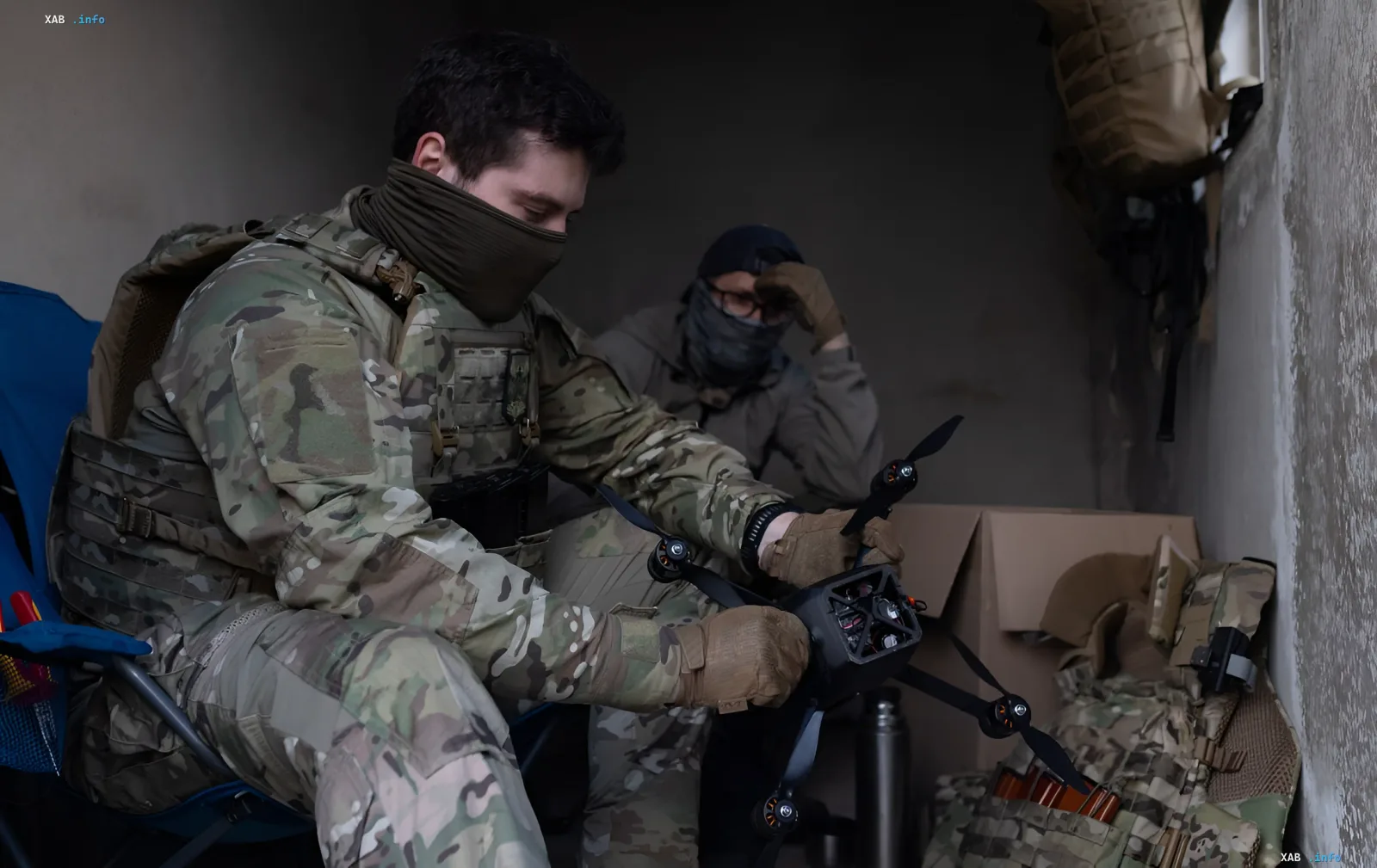
Ukrainian JATEC specialists, who possess years of combat experience in countering drones, played several key roles in the exercises. They focused on aligning NATO's experiments with the realities of the current battlefield, adjusting scenarios to the actual conditions observed at the front. In particular, Ukrainian military personnel controlled the actions of the simulated adversary, ensuring precise adherence to drone flight plans and threat profiles. This approach allows the Alliance to test its systems not in abstract conditions, but in scenarios that closely mirror the real-world UAV employment tactics used in the course of the Russian-Ukrainian conflict.
JATEC: Systematic Leveraging of Ukraine's Combat Experience
One of the key priorities of JATEC's work is the systematic involvement of Ukrainian military personnel with combat experience in joint activities with the Alliance. The center, operating on Ukrainian territory, has become an institutional mechanism through which the unique counter-drone experience accumulated over years of full-scale war is transferred to NATO's military structures. According to RBC-Ukraine, it was previously reported that the Ukrainian Armed Forces serve as instructors for NATO forces, sharing their counter-drone experience, and that in October 2026 Ukraine will be visited for the first time in eight years by the NATO Military Committee — a decision made following the first conversation between Commander-in-Chief of the Ukrainian Armed Forces Mykhailo Drapatyi and the committee's chair.
Strategic Context: The Eastern Flank and Counter-Drone Defense
Hosting the exercises in Latvia — on NATO's easternmost flank — underscores the priority of building a multi-layered counter-UAV system for the Baltic states. The scale of the event — more than a thousand participants from 26 countries — indicates that counter-drone defense has become one of the central directions of the Alliance's military integration. The transition from tactical integration to command and control levels means that NATO is working out not only the "hardware" but also the organizational and staff procedures for decision-making under conditions of massive drone attacks.