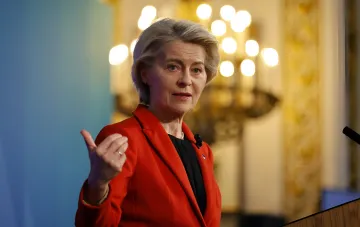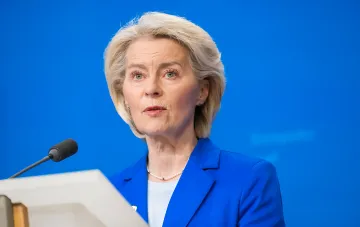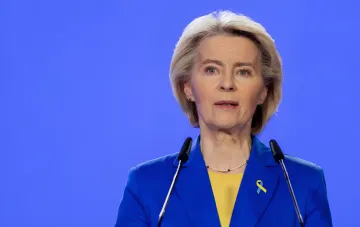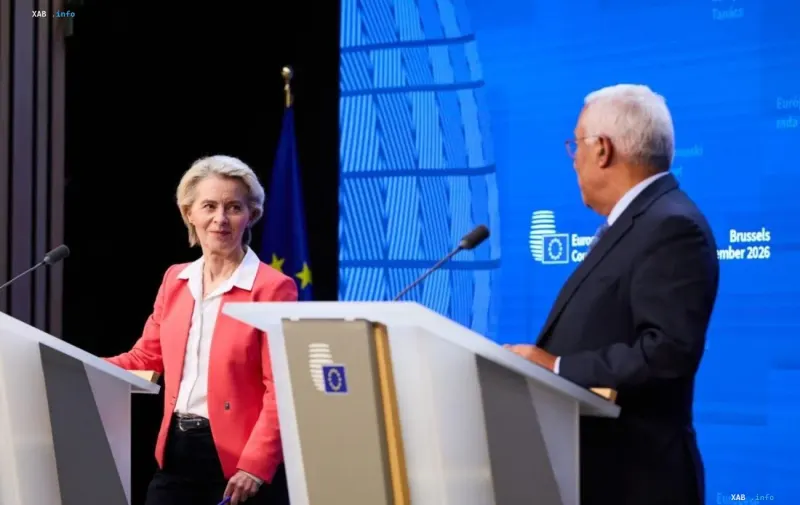
At an extraordinary EU summit in Brussels on November 26, 2026, European leaders discussed prospects for financial assistance to Kyiv. The European Commission's proposal to provide an additional loan to Ukraine for 2027 in the amount of 45 billion euros received support from 24 member states. This was announced by European Council President António Costa and European Commission President Ursula von der Leyen during a joint press conference.
Member states' positions and participation conditions
As António Costa noted, the European Commission's initiative found broad understanding among summit participants, although the degree of involvement of individual countries varies. In particular, Bulgaria expressed readiness to join exclusively the non-military part of the financial package, directing resources to support regions of Ukraine where the Bulgarian minority lives. Slovak Prime Minister Robert Fico stated that his country will refrain from participating in the new loan, but at the same time does not intend to block the joint efforts of European partners.
Strategic goals and the European Commission's stance
European Commission President Ursula von der Leyen stressed that the main task of financial support is to provide Ukraine with the necessary resources to negotiate from a position of strength. The proposed coordinated assistance instrument is designed to guarantee a stable inflow of funds throughout 2027. At the same time, a key condition of the mechanism remains that Ukraine will repay the principal debt only after Russia pays reparations.
Next steps and the EU budget context
The issue of approving the loan has been referred to the European Council, which will return to it in December of this year to complete work on the document. The European Commission leadership expressed readiness to facilitate the speedy adoption of the decision in the interests of strengthening the security of all Europe. The background of the issue includes recent statements by the Ukrainian leadership on the need to attract about 115 billion euros for the next year, of which agreements on 90 billion have already been reached, as well as ongoing discussions around the long-term EU budget for 2028-2034, an agreement on which has not yet been found.