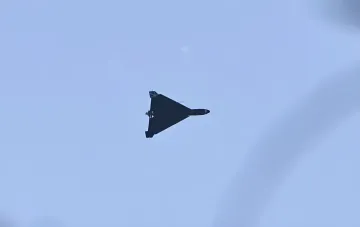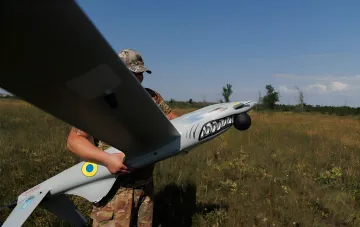
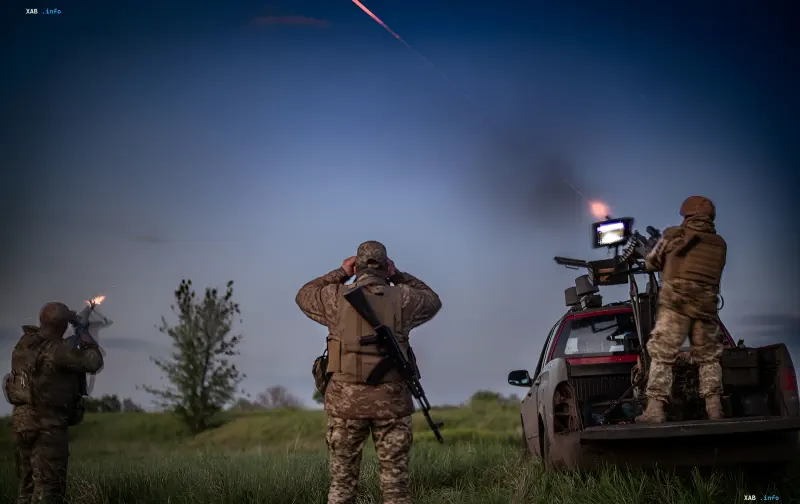
As of August 12, 2026, the Ukrainian Armed Forces are recording unprecedented figures in air defense. According to official data from the Press Service of the Ministry of Defense of Ukraine, published by RBC-Ukraine, defense forces have neutralized more than 260,000 enemy unmanned aerial vehicles (UAVs) since the beginning of the current year. This figure includes both fixed-wing drones and quadcopter models, indicating a total interception of aerial threats at various altitudes and distances.
Statistics of Air Superiority
A detailed analysis of the data shows that the structure of Russian aviation losses has undergone significant changes. Of the total number of destroyed devices, about 195,000 are fixed-wing UAVs, and another 66,000 are quadcopters. The dynamics over the last months are particularly indicative: if 27,711 fixed-wing drones were shot down at the end of May 2026, by July this figure rose to 40,438 units. A similar trend is observed in the quadcopter segment: the number of verified hits increased from 14,071 at the end of June to 19,945 units in July. Such a sharp jump indicates either an intensification of the enemy's activity or a significant increase in the effectiveness of Ukrainian air defense systems.
The Role of the DELTA System in Combat Management
The key factor in such high efficiency is the implementation and scaling of the DELTA system. This digital platform, acting as the "digital core" for managing the modern battlefield, allows for the real-time coordination of air defense crews, artillery, and reconnaissance. All enemy UAV hits reported in the briefings undergo a strict verification procedure precisely within this system. DELTA eliminates the human factor in counting results and ensures an instant reaction to new threats, which has become the technological key to maintaining an advantage over the enemy in conditions of massive drone use.
Strategic Importance of Counter-Drone Measures
Experts note that destroying such a large number of drones plays a decisive role in modern warfare. Effective counter-drone measures directly save the lives of Ukrainian servicemen and civilians, depriving the enemy of the ability to carry out targeted strikes on infrastructure and equipment concentrations. Mass interception of drones not only reduces damage but also exhausts the enemy's resources, forcing them to spend huge amounts on producing disposable equipment that does not reach its targets. This creates a long-term strategic deficit for the Russian side.
Contradictory Data
While the Ukrainian side provides clear statistics confirmed by the DELTA system, there are certain discrepancies in the interpretation of this data. On the one hand, the increase in the number of shot-down drones can be interpreted as a success of Ukrainian air defense. On the other hand, some military analysts point out that the increase in the number of destroyed targets may correlate with an unprecedented growth in the intensity of attacks by the enemy. Russian sources often do not comment on losses in drones, citing operational secrecy, which creates an information vacuum. While Ukraine records 260,000 shot-down devices, independent Western estimates may vary depending on the counting methodology (for example, whether drones disabled but not physically shot down are counted). Nevertheless, the fact of the massive use of drones by both sides and their active destruction remains indisputable.
Technology Development and New Threats
In response to the escalation of drone attacks, Ukraine is actively developing its own technological solutions. Recently, Ukrainian military demonstrated the operation of the Barracuda system, which successfully attacked enemy positions. In addition, the Main Directorate of Intelligence (GUR) reported on the development of a new system for maritime drones. This technology will allow not only to destroy enemy targets in the Black Sea but also to detain sanctioned ships for subsequent confiscation. These steps demonstrate a transition from a purely defensive strategy to the active use of unmanned systems to control air and maritime space.