An historic event for the construction industry of the US Armed Forces took place at Fort Bliss military base in Texas. Here, the first of ten barracks built using 3D printing technology was opened. This launch marks the beginning of the implementation of the Department of Defense's largest-ever robotic construction project for military infrastructure.
Combat Readiness and Care for Personnel
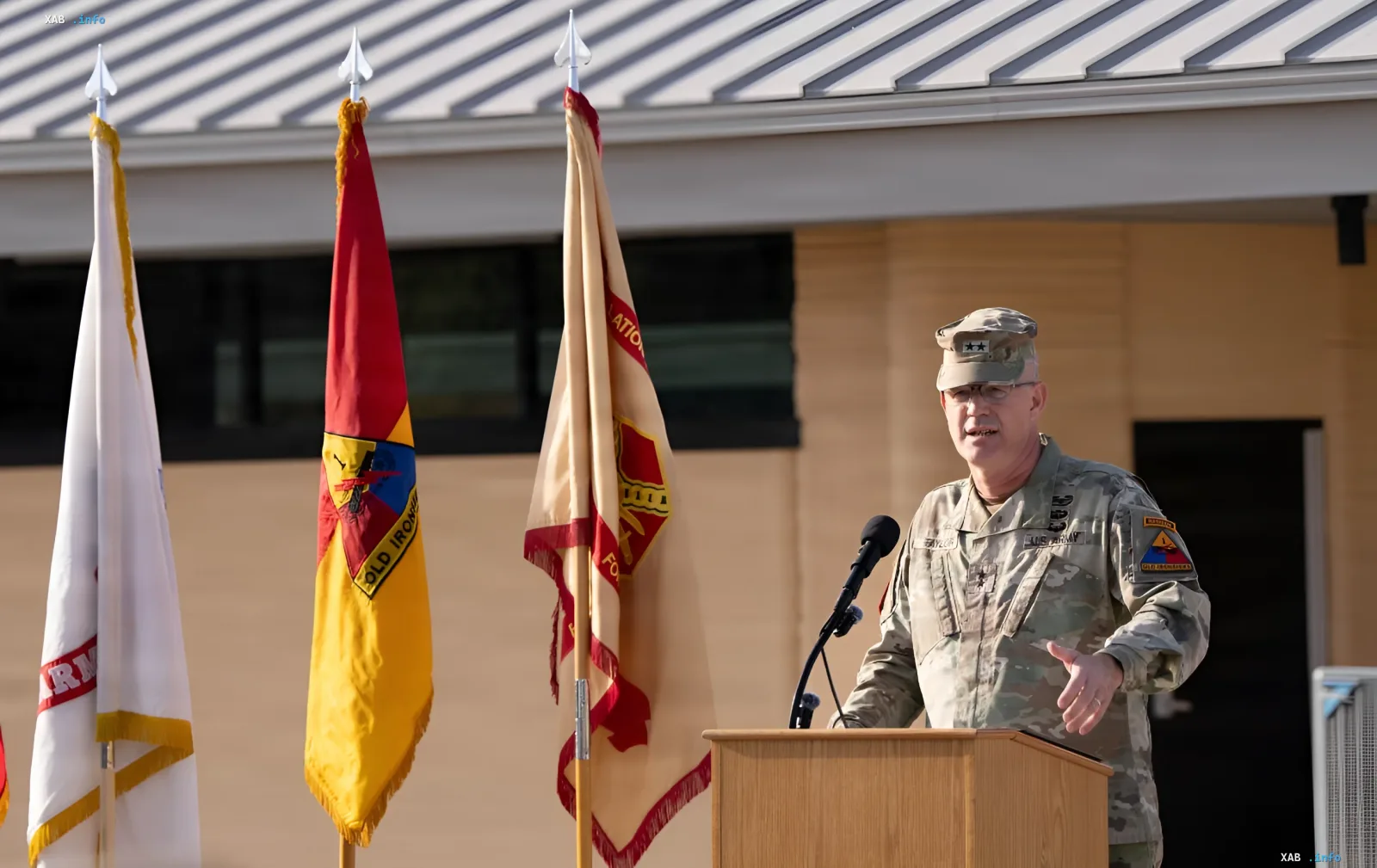
The opening ceremony was led by the base commander, Major General Curtis Taylor. In his speech, he emphasized that the introduction of advanced technologies is aimed not only at budget optimization but also at improving the quality of life for the troops.
"This project is much more than just statistics, 3D printing, or cost savings. It is about combat readiness and, most importantly, caring for our people," General Taylor stated, highlighting the humanitarian aspect of infrastructure modernization.
Technology vs. Tradition: Efficiency Figures
The new buildings are intended to replace outdated temporary structures previously used to house military personnel. According to the Pentagon, the transition to additive technologies (3D printing) has yielded tangible dividends:
- Cost Reduction: The use of 3D printing allowed construction costs to be reduced by approximately 9.3% compared to traditional military standards.
- Construction Speed: The building printing process turned out to be approximately four times faster than using conventional construction methods.
- Energy Efficiency: The new barracks are designed to meet energy consumption requirements, which will reduce operating costs in the long term.
Project Scale and Implementation Timeline
The contract provides for the construction of ten training barracks with a total area of about 7,246 square meters. Each standalone building occupies approximately 536 square meters and is equipped with modern air conditioning systems meeting US Army unified standards. In total, the new buildings will be able to accommodate up to 560 military personnel.
The project implementation stages demonstrate high speed: the actual printing phase for all buildings took only 58 days. Full contract execution, including finishing work and commissioning, is estimated at approximately nine months. The project is expected to be fully completed by September.
From Pilot to Mass Implementation
The current initiative is a logical continuation of the 2024 pilot project. As part of the trial launch at Fort Bliss, two similar buildings were already constructed, which are currently successfully used for military housing. The successful experience of the pilot allowed the technology to be scaled up and the construction of an entire barracks complex to be launched.
Context of the Technological Race
The introduction of advanced construction technologies is taking place against the backdrop of the Pentagon's recognition of the need for modernization in other areas as well. In particular, the US military department has openly admitted that the US Army currently significantly lags behind Ukraine in the production of combat drones and is only at the initial stage of developing its own drone industry.
In response to this challenge, Ukraine and the US signed a bilateral statement of intent for a new defense partnership. According to this agreement, the export of Ukrainian drones to the United States for military testing will be established, which could become a catalyst for the development of corresponding technologies in the US Army as well.