Unprecedented anomalous heat and extreme drought that struck Great Britain in the summer of the current year 2026 have unexpectedly led to a large-scale historical discovery. As a result of a critical drop in water levels at Fernworthy Reservoir, located in Devon, southwest England, a submerged Bronze Age settlement that had been hidden for centuries has emerged from beneath the water.
Unique Findings from the Reservoir Bed
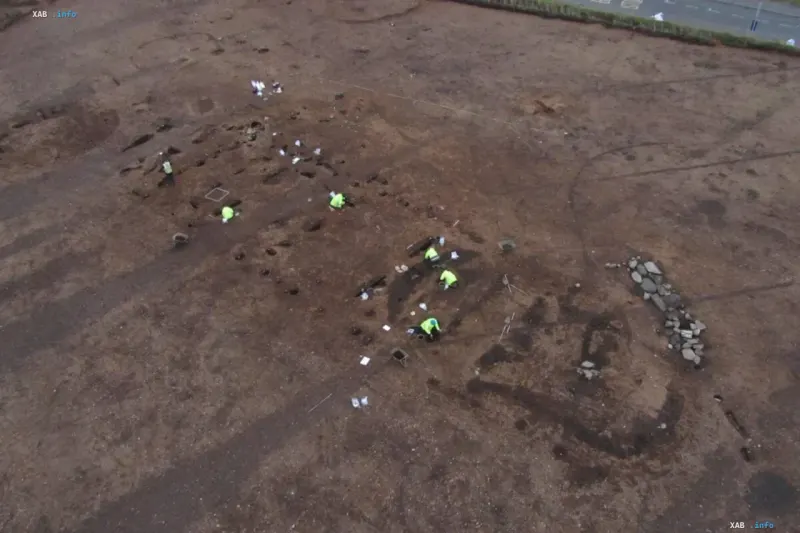
According to authoritative press reports citing archaeological research data, the receding water has exposed unique monuments of human history. Researchers discovered the remains of eight round stone houses, estimated to be about four thousand years old. In addition to ancient dwellings, stone circles (megalithic rings) and burial mounds were recorded on the dried-up bed, indicating a complex social and ritual structure of the ancient society.
Evidence of Subsequent Eras
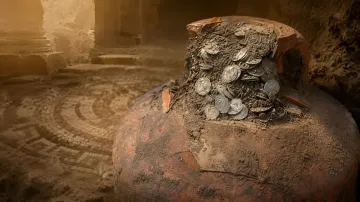
Apart from Bronze Age artifacts, valuable finds from later periods were discovered at the excavation site. Specifically, historians found Tudor dynasty coins from the 16th century, dating back to the 1540s. This proves that the area continued to attract people and was actively used for economic or other purposes millennia after the initial structures were built.
Water Resource Crisis and Climatic Context
The exposure of ancient monuments was made possible by a deep water resource deficit affecting the entire United Kingdom. Water reserves in Fernworthy Reservoir itself dropped to a critical 30 percent of its total capacity. Nationwide, average water levels in reservoirs remain 20 percent below seasonal norms, with one-third of major facilities failing to reach even half capacity.
Contradictory Data
While meteorological services record record-breaking summer heat figures due to five consecutive heatwaves, experts' opinions regarding the timeframe for hydrological balance recovery diverge. Officials state the need for months of continuous rainfall to replenish groundwater, while certain long-term forecasts warn that the drought in Devon, Cornwall, and East Anglia could persist until April 2027.
Conclusion and Research Prospects
The archaeological sensation in Devon clearly demonstrates how modern climate change exposes the secrets of the past while posing serious challenges to the region's infrastructure and ecology. Experts are continuing emergency rescue excavations as long as natural conditions allow them to study unique objects hidden underwater for centuries.