September and October are traditionally considered a comfortable time for garden work: the soil is still warm, there is enough moisture, and seedlings have time to put out roots before the cold sets in. However, for a number of heat-loving fruit crops, autumn is the worst possible time for rooting. According to Styler (an RBC-Ukraine project), citing the expert site Martha Stewart, some fruit trees simply do not have time to adapt to the cold and die en masse during the first serious frosts. On the eve of the autumn season (the relevant date is August 2026), it is important to understand which crops are best left until spring, so that you do not lose either the seedling or the money invested in it.
Why autumn is deceptive for heat-loving crops
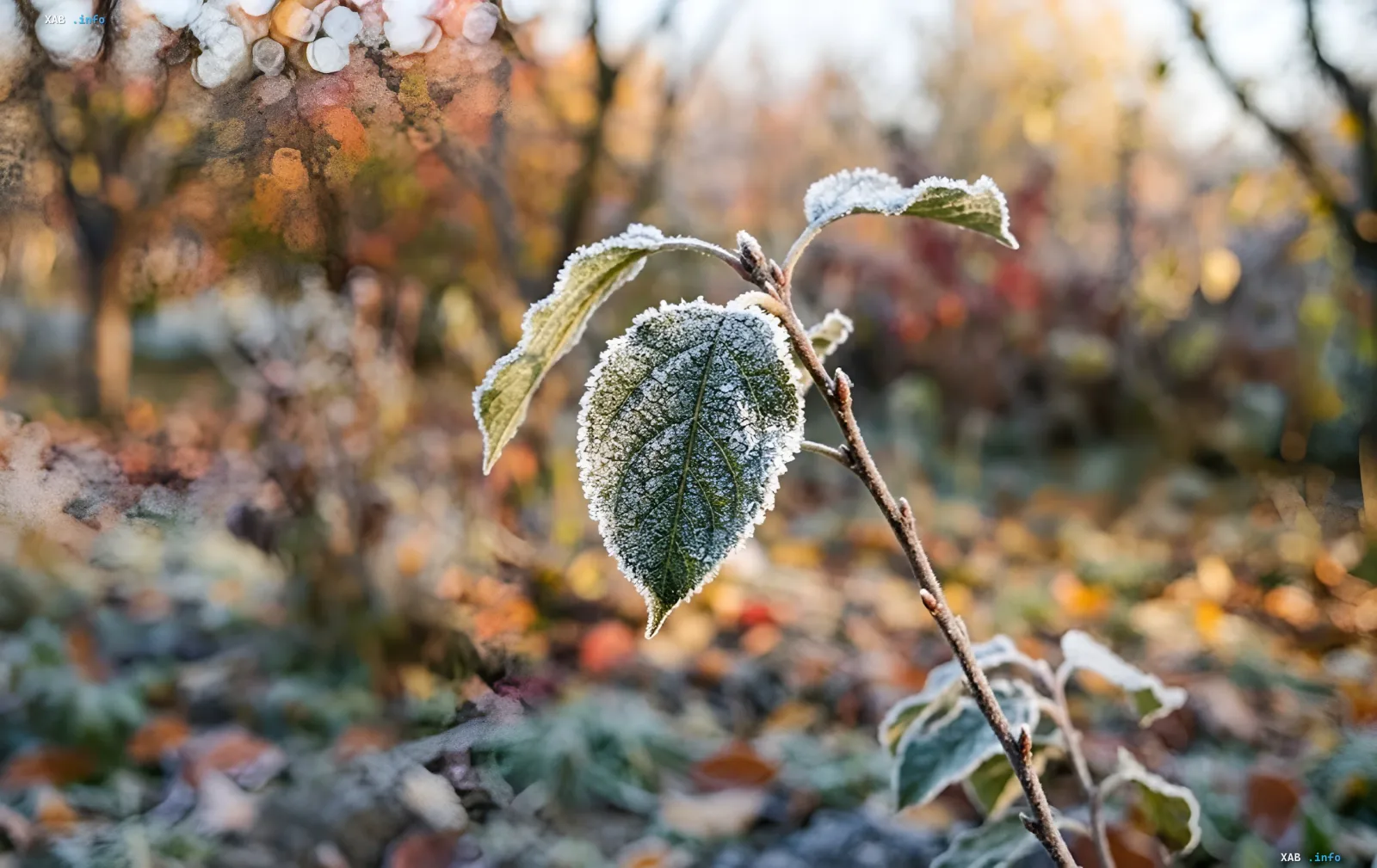
The key problem with autumn planting of heat-loving species is the insufficient time to form a strong root system before the onset of sustained frosts. In regions with regular winter freezes, a young seedling planted at the end of the season does not have time to harden, and the freezing of the soil becomes fatal for it. That is why experts recommend planting such crops only when the soil has warmed up stably — usually from mid-May to July — so that the plant has an entire summer to adapt.
Fig and citrus: a container instead of a bed
Figs require a long time to form their root system, and at temperatures below −9 °C their young, unhardened stems freeze quickly. Styler calls planting them in open soil in autumn in regions with frosty winters a fatal mistake. Popular fig varieties, as well as lemons and other citrus fruits, which are designed for a subtropical climate without sharp temperature swings, do much better in containers that can be brought indoors for the winter. Citrus trees are planted exclusively in spring even in warm regions, so that the tree has time to adapt before the autumn drop in temperature.
Peach and apricot: not enough time to root
Peach seedlings catastrophically lack time to root if they are planted right before the cold. Certified arborist Eric Lindberg notes that in regions with cold winters, peaches are much safer to plant in early spring, while the tree is in a state of absolute dormancy. Apricots have the same vulnerabilities: autumn planting is suitable only for very warm regions with a mild winter, where the roots can continue to grow without stress. In a climate where the soil freezes, a young seedling simply does not have time to harden.
What is safe to plant in autumn
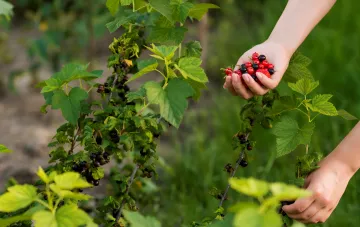
To avoid losing precious time in September and October, experts advise focusing on traditional frost-resistant crops. Autumn is the ideal time to plant apple, pear, cherry, and plum trees, as well as raspberry, currant, or gooseberry bushes. Cool and moist autumn weather promotes the development of their roots, and in spring these seedlings wake up already fully adapted to the plot and immediately go into growth.
A practical takeaway for the gardener
The practical rule is simple: heat-loving and slow-rooting species (fig, peach, apricot, citrus) go into containers or for winter planting only in a warm climate, while in regions with frosts — strictly in spring. Frost-resistant fruit and berry crops, on the contrary, tolerate autumn planting well and gain a head start in root system development. This approach allows you to avoid the mass death of seedlings in the very first frosts and to get a harvest already in the next season.