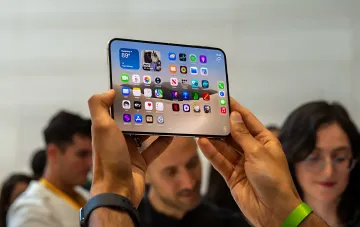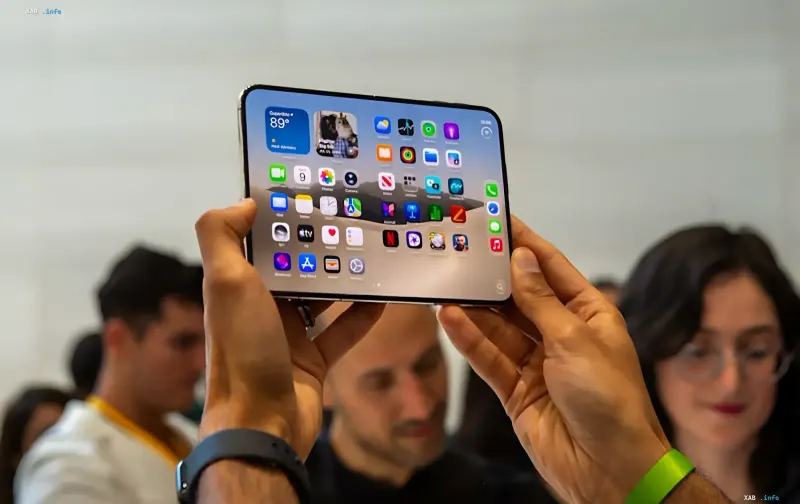
Apple is preparing for the release of its first foldable smartphone, the iPhone Duo, with plans to sell around 6 million units by the end of 2026. However, the tech giant's ambitious goals may face significant roadblocks due to manufacturing bottlenecks. According to recent analytical reports, this initial shipment volume serves as both a major stress test for the supply chain and an indicator of the company's cautious approach to a brand-new form factor.
Manufacturing Bugs and Component Shortages
The primary factor limiting the large-scale production of these gadgets remains technical complications on the assembly lines of Apple's key manufacturing partner, Foxconn. According to a report by Bloomberg expert Mark Gurman, the yield rate of usable products at the factories is just over 60 percent. This means that nearly 40% of manufactured devices fail strict quality control during the initial assembly stages, inevitably leading to market shortages in the first months of sales.Expert Assessments and Optimization Timelines
Renowned analyst Ivan Lam from Counterpoint Research emphasizes that the final sales volume will directly depend on the speed of production process optimization. Industry experts estimate that meeting Apple's high-quality standards could take partners anywhere from 6 months to a year. Against the backdrop of the company's total production of around 80 million units between Q4 2026 and Q1 2027 (including the iPhone 18 Pro flagship lineup), the foldables' market share will look modest, yet it remains crucial for establishing the brand in this category.
Innovative Features and Structural Protection
Despite the projected shortages, the new device offers a range of unique hardware solutions that justify high expectations. Apple engineers managed to minimize the main issue of foldable devices—the visible and tangible crease on the screen. The gadget's body is crafted from polished grade 5 titanium, while the innovative hinge features a 3D-printed coating. The device is also IP68 water and dust resistant, and its external display is protected by Ceramic Shield 2 glass, which offers three times higher scratch resistance.Contradictory Data
While Bloomberg and Counterpoint Research analysts focus on Foxconn's technical issues and a 40% defect rate at launch, independent sources and tech blogs diverge in their assessments of how quickly these shortages can be resolved. Some experts believe Apple will quickly redistribute orders among other contractors, while other commentators warn of the risk of prolonged shortages lasting until next spring, citing the closed nature of titanium component and specialized hinge supply chains.