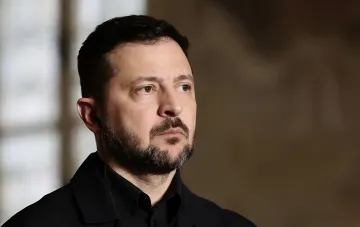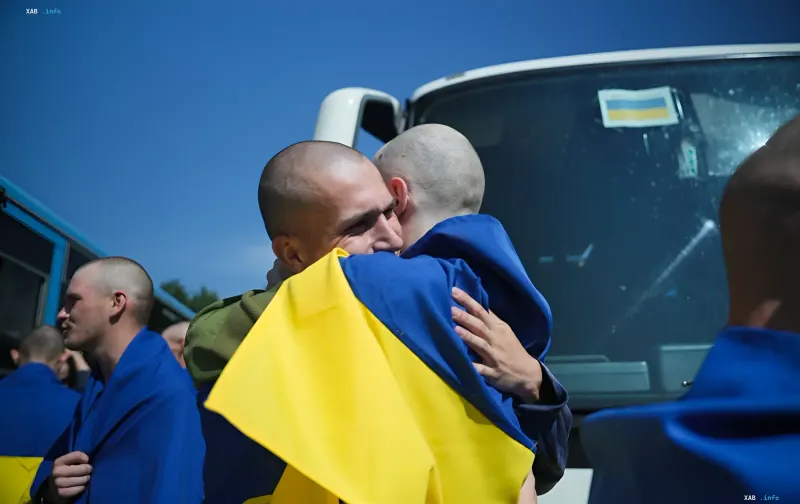
On August 19, 2026, Ukraine carried out one of the largest prisoner exchanges in recent months. As President Volodymyr Zelenskyy reported, 103 Ukrainian defenders — members of the Armed Forces, the State Border Guard Service, and the National Guard — returned home. In return, Russia received 103 of its own captives. This exchange marked the 77th since the start of the full-scale invasion and confirmed that dialogue on humanitarian issues, despite all difficulties, remains active.
Who Returned: Age, Units, and Personal Stories
Among the liberated were both young soldiers and experienced veterans. The youngest was 26 years old (born in 2000), and the oldest was 59. This indicates that those held in captivity included not only enlisted men but also officers and older volunteers. Many of them had participated in combat operations on key fronts: Donbas, Kherson, Zaporizhzhia, and even in the north of the country. Their return became an emotional event for families and local communities.
Dmytro Lubinets, the Ombudsman of the Verkhovna Rada, published a video of the first minutes after liberation. The footage shows men, barely believing in the reality of what is happening, calling their relatives in tears, saying: "I am home." These scenes became a symbol of hope and the resilience of the Ukrainian spirit.
Why This Exchange is So Important: Humanitarian Aspect and Political Signal
Every such exchange is not just a number, but hundreds of families reuniting with their loved ones. For Ukraine, it also demonstrates the ability to conduct negotiations even during wartime, while maintaining a firm stance on issues of sovereignty and human rights. Russia, in turn, uses such events for propaganda, claiming that "humanitarian channels are working," however, facts show otherwise: the conditions of detention often violate international norms.
Liberated soldiers report that before the exchange, they were specifically "fattened up" — this is part of a tactic designed to hide the real conditions of detention. According to many, this was not an act of mercy, but an element of psychological pressure and torture. Such practices contradict the Geneva Conventions and cause serious concern among international organizations.
Contradictory Data
Although official data confirms the return of 103 Ukrainians, the Russian side previously published lists of prisoners whom, according to them, Kyiv allegedly refused to return. Ombudsman Dmytro Lubinets categorically refuted these claims, stating: "Ukraine wants to return all its citizens without exception." The discrepancy in versions may be due to the fact that Russia uses such lists as a tool of pressure or manipulation of public opinion. Until there is independent confirmation of these lists, their credibility remains questionable.
What's Next: Prospects for New Exchanges and International Reaction
This exchange opens up opportunities for new negotiations. Experts note that the regularity of such operations depends on the willingness of both sides to make compromises. The international community, including the UN and the Red Cross, calls for full compliance with the rights of prisoners of war and transparency in the exchange process. Ukraine continues to insist on the return of all prisoners, including civilians who also ended up in captivity.
It is important to note that every exchange is a step towards peace, but not a substitute for it. As long as the war continues, humanitarian efforts remain critically important. The return of 103 defenders is a victory, but it should not overshadow the need to stop hostilities and restore peace.