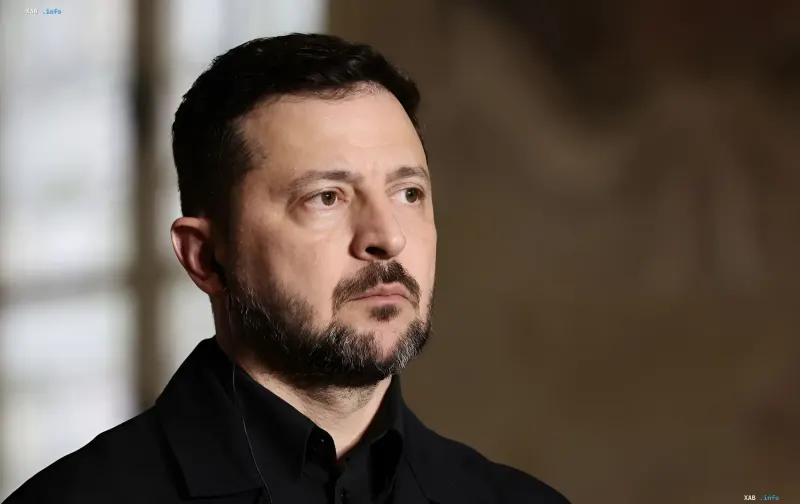
Ukrainian President Volodymyr Zelenskyy held a phone conversation with UN Secretary-General António Guterres, during which the parties discussed the current military situation, the humanitarian consequences of Russian strikes, and the prospects for international efforts to end the full-scale aggression. According to the head of the Ukrainian state, he informed the UN Secretary-General about constant Russian strikes on the country's territory and numerous casualties among the civilian population. Guterres, in turn, condemned the mass attacks by the RF on Kyiv and other cities and communities of Ukraine.
Searching for a path to peace: the role of the UN
The key outcome of the phone call was an agreement that the United Nations will join the joint work to find ways to end the war. Zelenskyy emphasized that, despite the fact that the Russian side rejects all proposals to sit down at the negotiating table, it is necessary to do everything possible to end the conflict. "We agreed that the search for ways will continue and the UN will join the joint work," the president stated. Thus, against the backdrop of Moscow's multiple refusals of diplomatic dialogue, the international community intends not to stop attempts to build a negotiation track with the participation of the global organization.
Food security under threat
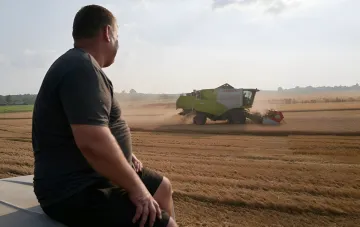
A separate block of discussion covered the threats posed by Russian strikes to food security. Zelenskyy and Guterres discussed Russian attacks on port infrastructure and ships. The President of Ukraine noted that in many countries in Africa, the Middle East, and Asia, food prices have already begun to rise. Earlier, by the end of July 2026, the UN officially recognized that Russian attacks on ports and ships pose a direct threat to global food security. According to analysts, attacks by Russian occupiers on the ports of Odesa have practically halted Ukrainian grain exports in the midst of the harvest, exacerbating the deficit in world markets.
Economic consequences for Ukraine
Experts predict that Ukraine's GDP in 2026 may shrink by 2% precisely due to the blockade of export grain corridors and the destruction of port logistics. The destruction of infrastructure in the Odesa region in the midst of the harvest campaign deprives the country of the ability to ship its harvest via traditional sea routes, hitting not only the Ukrainian budget but also millions of consumers in developing countries dependent on Ukrainian grain. In this context, the UN's joining of the joint work acquires not only a political but also an economic dimension: it is about restoring supply channels and protecting the global food market from further escalation.
Context of diplomatic contacts
The phone conversation between Zelenskyy and Guterres takes place against the backdrop of a series of other diplomatic contacts aimed at finding a way out of the conflict. In parallel, the President of Ukraine is negotiating with representatives of the US administration, discussing options for ending the war. The totality of these contacts indicates that Kyiv is consistently building a multi-level diplomatic strategy: from bilateral negotiations with key partners to engaging the UN mandate to legitimize the peace process. At the same time, Ukraine's position remains unchanged: without the cessation of Russian strikes and the provision of security guarantees, any negotiation formats remain ineffective.