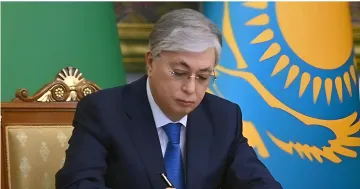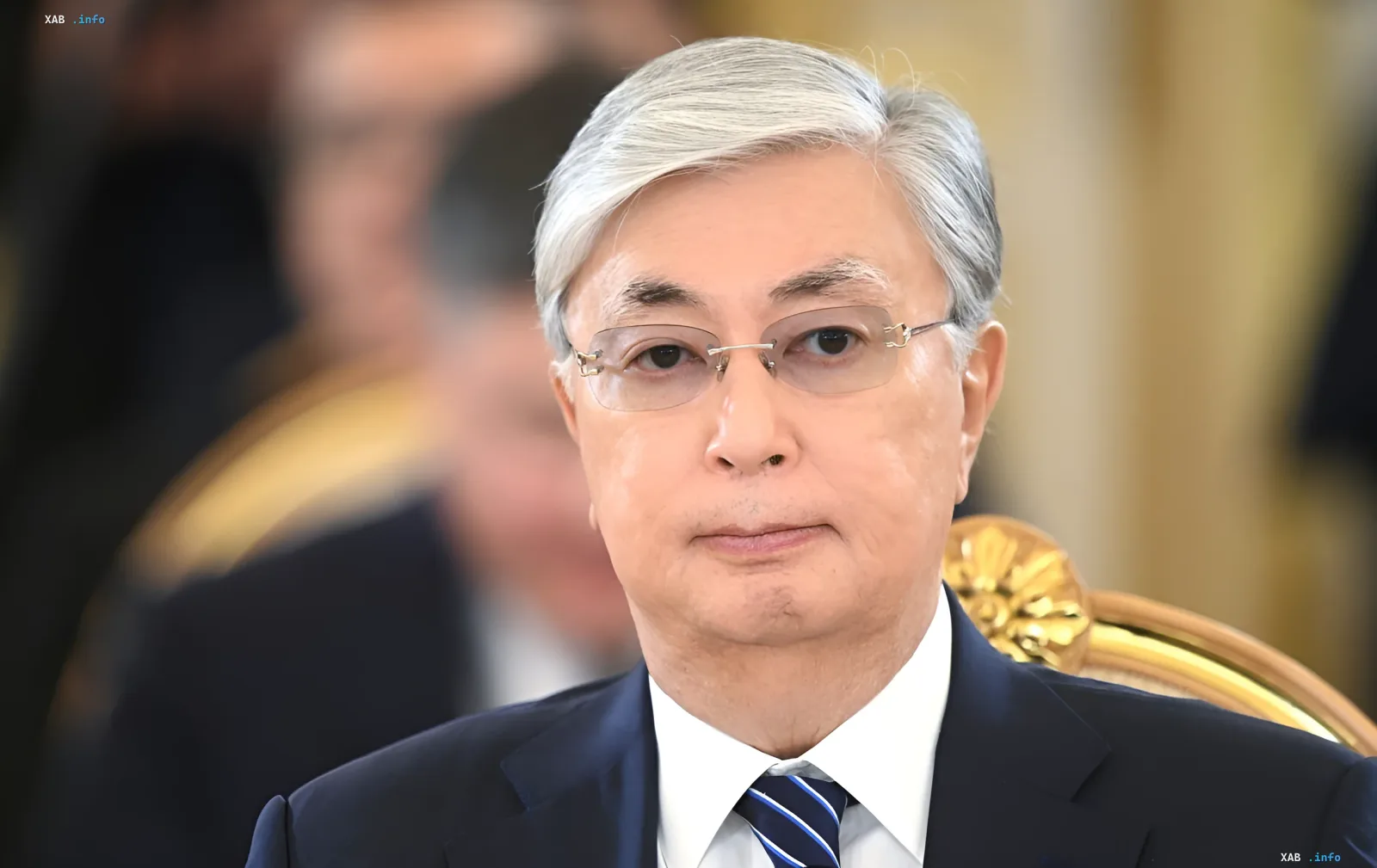
Kazakhstan's snap parliamentary elections, held on 23 August 2026, ended in a decisive victory for the pro-presidential party "Adilet." According to three independent exit polls published by the republic's state media, the new party received between 70 and 72 percent of the vote, with turnout exceeding 74 percent. The result, recorded by several research organizations at once, indicates that Tokayev has managed to consolidate a overwhelming majority of the electorate around his figure, in a context where alternative political forces in the country remain marginalized.
From "Amanat" to "Adilet": restructuring the party system
The "Adilet" party was created this year by the closest advisors to President Kasym-Zhomart Tokayev and, within the shortest time, absorbed the former ruling party "Amanat," which had dominated the Kazakh parliament for more than a decade. This decision was part of a sweeping constitutional reform adopted this year: the bicameral parliament was transformed into a unicameral one, and last month the Supreme Court of Kazakhstan ruled that the new constitution allows Tokayev to run for another seven-year term. Thus, "Adilet" has not merely inherited "Amanat's" infrastructure but has become an instrument for further strengthening the vertical of power, one that relies on figures more closely tied to the president's entourage than to the clan of his predecessor Nursultan Nazarbayev.
An "opposition" loyal to the president
In addition to "Adilet," seats in the new unicameral parliament were won by four small parties that formally position themselves as opposition. However, according to observers, all of them are regarded as loyal to Tokayev. This confirms a persistent trend in the Kazakh political system: there is no real competition for power, and the parliament performs a predominantly legitimizing function. A former Soviet diplomat and UN official, Tokayev has headed the largest economy in Central Asia since 2019, pursuing a balanced foreign policy while maintaining warm relations with the West, Russia, and China alike.
Tokayev on the future: a vice-president and the question of re-election
While voting in Astana, President Tokayev told journalists that it is premature to speak of his intention to run for a new term. At the same time, he announced that within the next seven to ten days he would name a candidate for the post of vice-president — a new position introduced by the current constitution. According to the head of state, this will be a "well-known" figure. The rift between Tokayev and Nazarbayev, who led the country from 1991 to 2019, occurred after the 2022 unrest, which Tokayev characterized as an attempted coup by allies of the first president. Since then, Kazakhstan's political space has been restructured around the figure of the incumbent leader.
The foreign-policy context: between Moscow, Kyiv, and the West
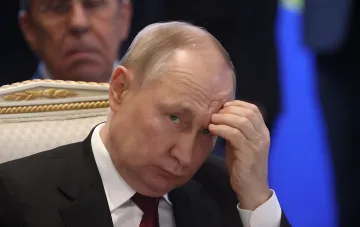
Kazakhstan's position on the Ukrainian issue has drawn heightened attention from international observers in recent months. In May 2026, the country refused to comply with an international court ruling that allowed the recovery of 1.4 billion dollars from Russia's "Gazprom" in favor of Ukraine's "Naftogaz." And in July, in a personal meeting with Vladimir Putin, Tokayev advised to "freeze" the war against Ukraine and return to the terms of the 2022 Istanbul negotiations. According to analysts at the Institute for the Study of War (ISW), Putin used this call for his own purposes, to justify the continuation of hostilities. In a context where Kazakhstan remains a key transit and economic hub of Central Asia, its diplomatic flexibility will determine not only internal stability but also the balance of interests in the region for years to come.