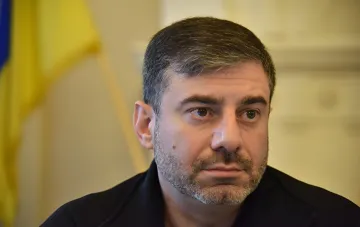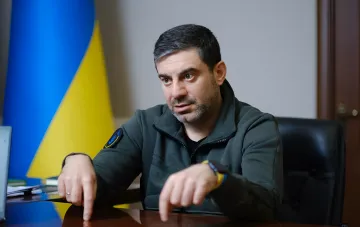
Ukrainian Parliament Commissioner for Human Rights Dmytro Lubinets reported the withdrawal from frontline positions of 13 Armed Forces of Ukraine (AFU) soldiers who had held defenses for four to eight months without rotation or rest. According to him, these were specific sectors where soldiers were on the line of contact under constant shelling, and their families, having received no response from various authorities, turned to the Ombudsman for help. Following the appeal, Lubinets and his team urgently contacted the General Staff of the AFU, which, by his assessment, responded promptly and joined in resolving the situation.
"Over 230 days at the front": one soldier's story
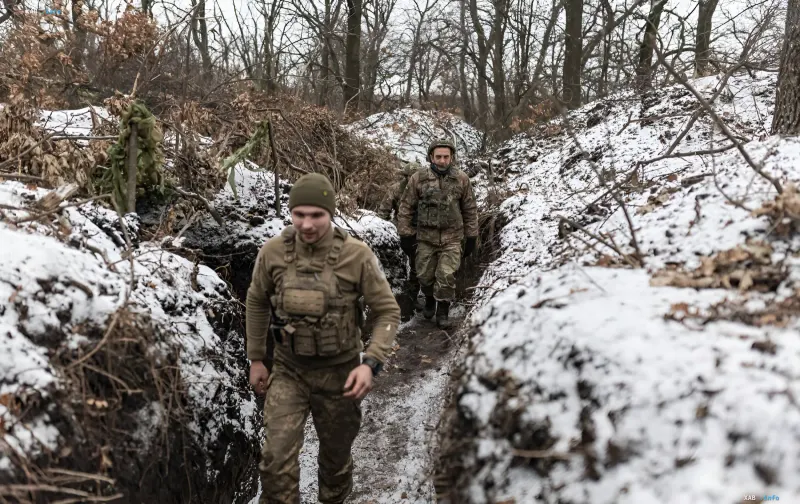
The Ombudsman provided data on one of the sectors: a serviceman, whose name he does not disclose, spent nearly eight months — over 230 days — at combat positions. "Under such conditions, the soldier, along with his brothers-in-arms, continued to hold the defense at the cost of his life, physical, and moral exhaustion," Lubinets stated. In another sector of the front, according to him, 12 defenders remained in positions under constant shelling for over four months. As a result, the withdrawn fighter was transferred to doctors and has been promised leave and rehabilitation, while 12 other defenders have been evacuated and are recovering their health.
A systemic problem: why rotations are delayed
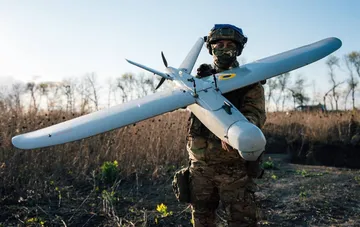
This specific case fits into a broader issue previously explained by the Commander of the National Guard of Ukraine, Oleksandr Pivnenko. According to him, due to drone warfare, Russian forces carefully monitor roads, so to rotate personnel, one must choose a safe moment — bad weather or another opportunity — to avoid losing soldiers during the extraction. "They are not being changed because if we withdraw them, we will lose them," Pivnenko emphasized, acknowledging that the same soldiers cannot stay on position for long, but in a number of settlements and territories, "sometimes there is no other way."
Command reaction and the call for clear timelines
Lubinets, in turn, emphasizes that even under active combat conditions, one should not forget about people holding defenses for months, and that clear timelines for time-on-position and real opportunities for rotation are necessary. He calls this case an example of how the joint efforts of the Ombudsman and the General Staff turn into concrete actions. Thus, the sides' positions coincide in recognizing the fact of prolonged stay of fighters at the front but differ in emphasis: the Ombudsman insists on introducing strict standards, while the command points to objective constraints related to enemy road control.
Context: review of draft exemption rules
Against the backdrop of these statements, Ukraine previously decided to review draft exemption (reservation) rules. According to available data, this is due to the critical need of defense forces for replenishment and rotation, as well as an anomalous increase in the number of deferments. New criteria are expected to allow for the protection of truly critical enterprises and to stop abuses, which is indirectly linked to the general problem of ensuring sustainable personnel rotation on the front.