Dutch technology company Intelic has developed an innovative artificial intelligence-based software system capable of integrating air defense assets and radar stations from various manufacturers. Based in Amsterdam, the organization is actively helping the Ukrainian Defense Forces repel intensified Russian drone and missile attacks, which have recently posed a severe security challenge to the region.
Tests and Technological Capabilities
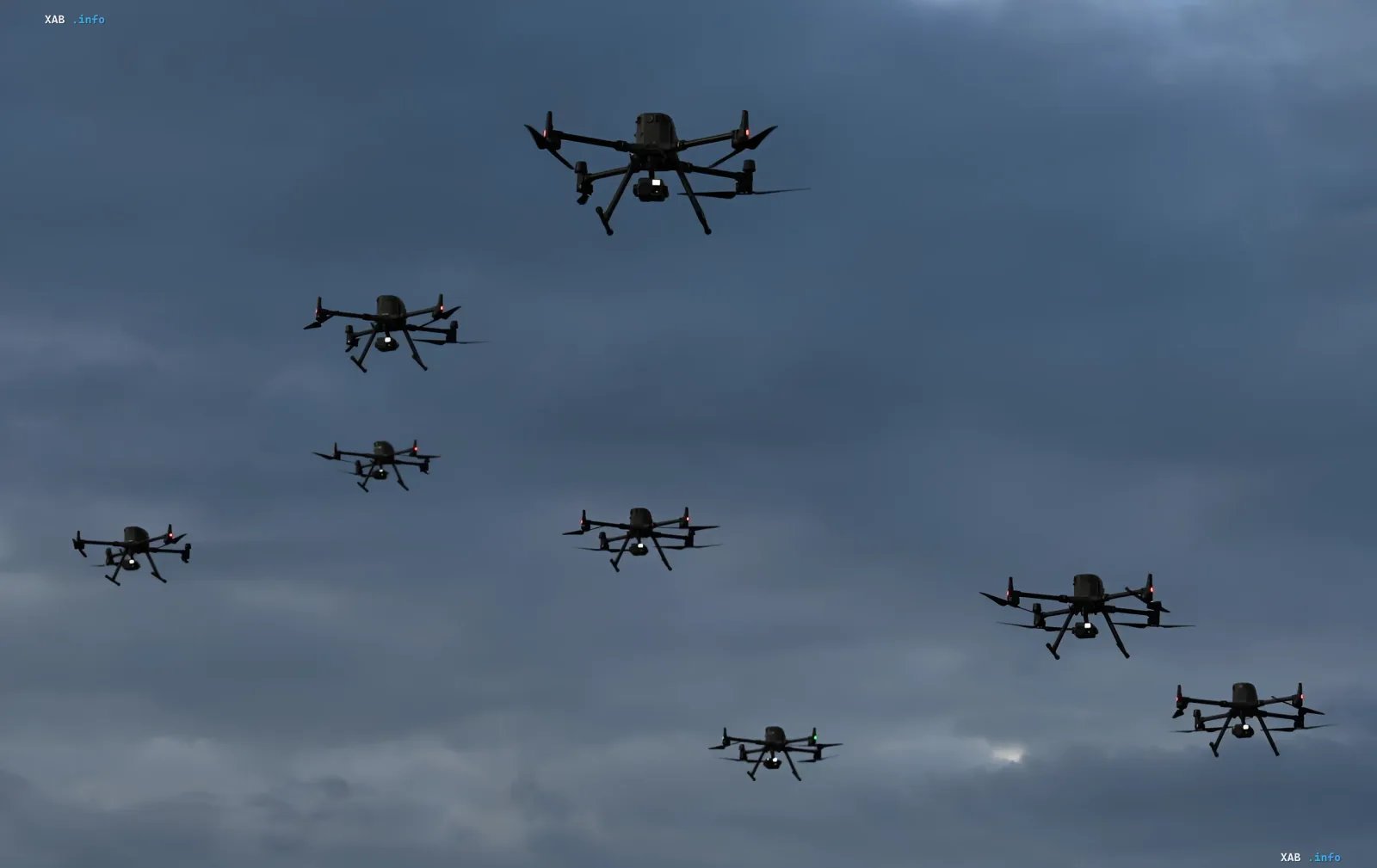
During recent tests conducted in late September 2026, Intelic's Nexus software demonstrated high efficiency. The system successfully aggregated information coming simultaneously from multiple independent radars, sensors, and optical cameras from third-party manufacturers. This made it possible to quickly identify the detected object as a hostile target, after which a reconnaissance drone confirmed the threat status using embedded image recognition algorithms.
The Role of Artificial Intelligence in Decision Making
According to Intelic CEO and founder Maurits Kortals Altes, although humans made the final decision to launch the interceptor drone during the tests, this process could potentially function in a fully autonomous mode in the future. The expert explained that most similar developments use AI directly on board the interceptor to hit a moving target at extreme speeds, whereas Intelic's development aims at strategic support for command staff.
Operational Integration and Field Conditions
The new development is designed to replace outdated coordination methods, where operational decisions on the battlefield are often transmitted via commercial messengers or telephone communications. The Intelic software package seamlessly complements Ukraine's existing advanced Delta combat management system.
Contradictory Data
Discussions continue within the expert community and specialized media regarding the degree of autonomy of AI-based weapons systems. While developer representatives declare technical readiness for a complete transition to automatic target destruction during critical time shortages, a number of international observers point to the legal and ethical risks of completely excluding humans from the decision-making chain regarding the use of lethal weapons.