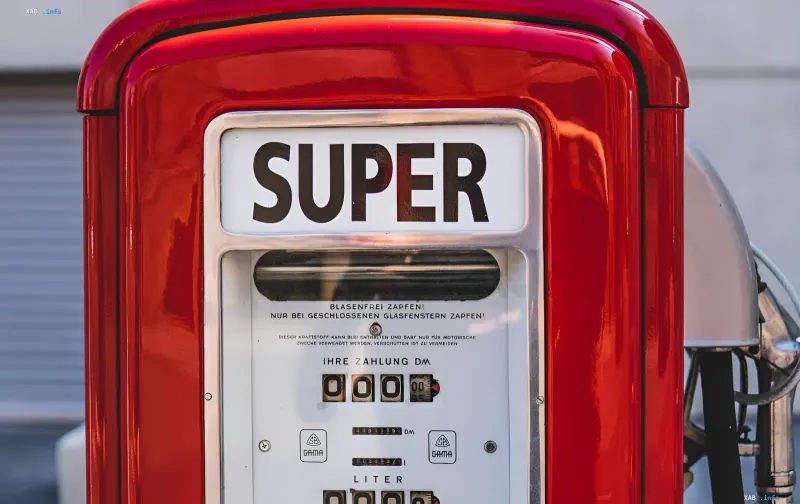
Amidst the ongoing rise in fuel prices in September 2026, car owners are increasingly exploring budget-friendly alternatives. Despite technological progress in electric mobility, internal combustion engines remain the dominant force, requiring adaptation to new economic realities. The use of Liquefied Petroleum Gas (LPG), Compressed Natural Gas (CNG), and the implementation of biofuels are becoming a necessity rather than a mere trend for optimizing transport costs.
Gas-based Fuel as a Standard
The most accessible alternative remains gas. LPG uses a mixture of propane and butane, currently powering about 30% of the Ukrainian vehicle fleet. Installing such equipment (LPG kits) costs 400–600 euros and pays off in the medium term. Compressed Natural Gas (CNG), in turn, requires high-pressure cylinders (200 atm), which limits its usage due to a lack of specialized filling stations, despite the potential of utilizing biomethane.
Contradictory Data
There is disagreement within the expert community regarding the feasibility of CNG in current realities. Supporters point to the affordability of methane compared to propane-butane and the potential for switching to eco-friendly biomethane. Opponents emphasize that natural gas prices have risen in 2026 and the critical lack of a filling station network makes such vehicles impractical for most private drivers.
Exotic Alternatives and Biofuels
Gas generator units allowing engines to run on burning wood or peat remain more of an historical curiosity, relevant during crises. Modern injection engines are difficult to adapt to this fuel type. A more promising direction is ethanol. Since July 1, 2026, Ukraine has mandated a minimum 7% biofuel content in gasoline. This is a step toward European standards, although switching to E85 or E100 mixtures requires significant fuel system upgrades.
Conclusions and Prospects
Switching to alternative energy sources requires not only financial investment in retrofitting but also a readiness for technical challenges. While LPG remains a proven option for private individuals, the use of ethanol and biomethane is currently at the stage of initial integration into the state energy strategy, requiring further infrastructure development.