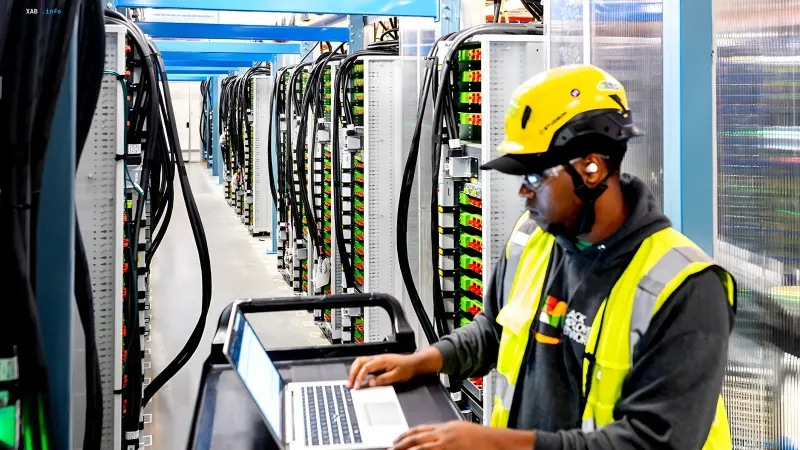
Amazon has announced a large-scale initiative to support regions hosting its key technological facilities. According to a statement from the leadership of the AWS cloud division, the corporation will allocate over one billion dollars over the next five years for the development of local communities. It is expected that residents and municipalities will be able to independently determine priority funding areas, including educational programs, vocational training, energy grid modernization, water conservation projects, and other local needs. The corporation emphasizes that the large-scale expansion of data center infrastructure should not create additional financial burdens for consumers or lead to resource shortages.
Criticism from Environmental Organizations
Despite the scale of the announced investments, the initiative faced harsh criticism from environmental activists. Representatives of the Stand.Earth organization characterized the technological giant's decision as corporate propaganda and an attempt to mitigate the negative consequences of ongoing construction. According to critics, the allocated billion dollars looks insignificant against the backdrop of Amazon's colossal capital investments in data center development, which in the current year of 2026 alone are estimated at 220 billion dollars. Activists emphasize that such payments do not solve systemic problems related to the sharp rise in carbon footprint and environmental pressure.
Contradictory Data
Contradictions concern not only financial proportions but also the technological aspects of the facilities' operation. Official Amazon representatives claim that backup diesel generators at data centers are used extremely rarely—on average about 10 hours a year for preventive tests. However, environmental organizations cite documented evidence from host regions where similar generating capacities operated on diesel fuel continuously for days. Additional concern among specialists is caused by the potential threat of water body contamination by so-called forever chemicals, which can be used in modern server cooling systems. The corporate promise to achieve a water-positive status by 2030 is also questioned, as it often fails to account for the indirect water footprint of external power plants supplying energy to the data centers.
Energy Infrastructure and Emissions
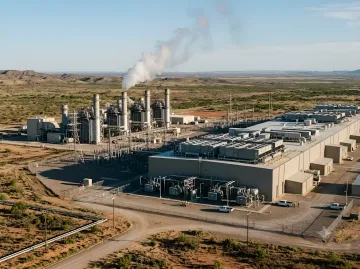
Experts are particularly concerned about the energy supply for new facilities. The company's official commitments completely omit any mention of a large gas-fired power plant in Texas, which, according to preliminary estimates by independent analysts, will become one of the largest sources of industrial emissions in the United States, generating up to 33 million tons of harmful substances annually. The only positive point noted by observers was Amazon's decision to abandon the practice of entering into non-disclosure agreements (NDAs) with local authorities when approving new construction projects, which should increase project transparency. Nevertheless, environmentalists insist that key issues of sustainable development and real reduction of environmental damage remain unanswered.