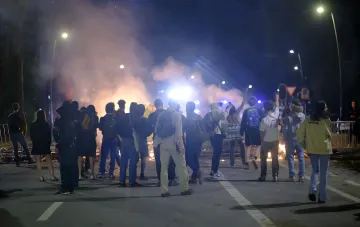
At a public hearing held by the county commission in eastern Washington state, 56 people spoke regarding Amazon's plans to build a data center campus at the Wallula Gap Business Park. The vast majority of speakers voiced opposition to the project or expressed serious concerns. The main complaints focused on groundwater consumption, potential damage to agriculture and wildlife, and what residents view as a lack of transparency in the company's plans. Proponents of the construction, in turn, pointed to new jobs and economic benefits for the region.
Project Scale and Promised Jobs
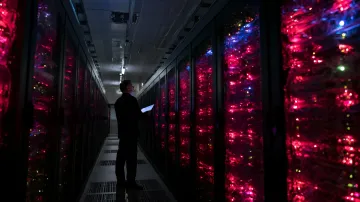
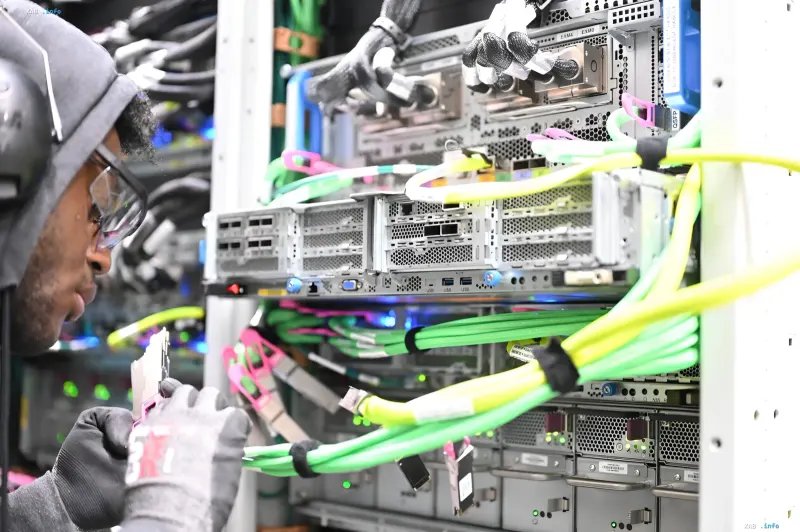
The campus will occupy approximately 54 hectares in the Wallula Gap Business Park near the Columbia River. Amazon plans to construct three single-story buildings and create 120 to 150 permanent jobs. The company emphasizes that fully paying for the data center's electricity without shifting those costs onto local residents and businesses is one of the key promises made in response to complaints about the strain on local infrastructure.
Water Issue at the Center of the Dispute
According to the company's own data, during the first year of operation, cooling the equipment will require about 14 million gallons (approximately 53 million liters) of water from the municipal system, while another 6 million gallons (about 22.7 million liters) of municipal water will be used annually for employee needs. This volume drew the highest number of objections at the hearing. Amazon stated that it is working with the local port to develop a transition to non-potable water from the Columbia River, and wastewater, according to the company, will meet industrial reuse standards.
Energy and the Bet on Nuclear
In addition to electricity payment promises, Amazon and its partners are developing a nuclear power plant project based on small modular reactors. The plant is not expected to launch before the 2030s, and its goal is to supply additional zero-carbon electricity to the Pacific Northwest, including eastern Washington. For critics, however, this is a long-term plan that does not alleviate the urgency of the water and environmental issues tied to the current project.
Moratorium and Regional Context
The protests unfold against a backdrop of tightening requirements for data centers in other counties across the state: in October, officials in Skagit County banned the construction of such facilities in unincorporated areas, leaving certain exceptions and restrictions on footprint and power consumption. Microsoft President Brad Smith also supported the introduction of mandatory responsible building rules, stating that legislative requirements could help ease local residents' fears. Meeting participants demanded a one-year moratorium on new data center projects. Commissioner Bertha Clayton stated she is willing to consider a temporary freeze on application intake to develop local zoning regulations, but warned that new zoning rules are unlikely to affect the current stage of Amazon's project; two other commissioners had previously opposed the moratorium. Currently, the project is undergoing an environmental review under the Washington State Environmental Policy Act (SEPA), which is set to determine the campus's potential environmental impact, necessary protective measures, and the need for a more detailed assessment of ecological consequences.