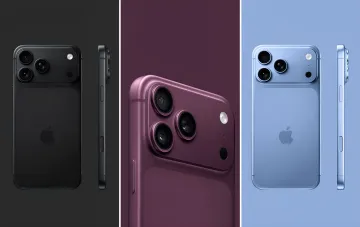
Owners of the latest iPhone 18 Pro Max smartphones in the United States using the AT&T network have encountered a critical hardware issue. Devices completely lose mobile connectivity, stripping users of the ability to make voice calls, send SMS text messages, and access mobile data. This failure is selective in nature and exclusively affects the top-tier flagship model of the American variant operating on this specific telecommunications giant's network.
Causes of the Technical Glitch
Experts and analysts agree that the root of the problem lies in the hardware architecture of the American version of the iPhone 18 Pro Max. Unlike the base versions of the iPhone 18 Pro lineup, which are equipped with Apple's proprietary communication chips, the Pro Max variant for the US market features a discrete Qualcomm Snapdragon X80 modem. Notably, the previous generation of the smartphone with a similar modem operated stably; however, the combination of Qualcomm's updated radio hardware and the specific millimeter-wave settings of the AT&T network resulted in a fatal connectivity failure.
Scale of the Issue and Prevention
For users whose devices have not yet been affected, AT&T and Apple have issued emergency recommendations to update the operating system to the current iOS 27.0.1 version and install additional configuration profiles. These preventive measures are designed to prevent network drops for those who installed the patches in time. According to preliminary estimates by specialized publications, thousands of American subscribers have already faced connectivity problems, and emergency calls are blocked wherever alternative base stations from other networks are absent.
Hardware Replacement Instead of Updates
The key factor in the crisis is that software methods are powerless against an already manifested defect. Attempts to install fresh updates or even switch to current iOS 27.2 test builds yield no results. Consequently, Apple's management made an unprecedented decision to replace defective handsets with brand-new, fully functional devices at their own expense. Affected users can contact both official Apple service centers and AT&T retail stores directly to arrange a hardware replacement.