In September 2008, the first Android-based smartphone hit store shelves — the HTC Dream, also known as the T-Mobile G1. At first glance, this modest device with a slide-out physical keyboard, a trackball, and a small touchscreen did not hint at global dominance. Yet it was precisely in this phone that the idea was born which would later change the entire mobile world: Android was conceived not as a closed proprietary system, but as a flexible platform — a "pocket computer" that every user and every manufacturer could tailor to their own needs. By September 2026, the platform turned 18, and over that time it has become the foundation on which the overwhelming majority of smartphones, tablets, televisions, wearable devices, and car systems on the planet run.
From the T-Mobile G1 to Billions of Devices
The HTC Dream differed significantly from modern gadgets: its design was utilitarian, and interacting with the system largely resembled working with a classic communicator. Nevertheless, the main innovation was not the hardware but the software philosophy. The availability of an app store right after launch opened the door for independent developers, while the platform's open model allowed manufacturers from different countries and price segments to quickly release their own devices. This led to explosive market growth: within a few years, Android filled shelves from budget models to flagship smartphones, although it also gave rise to the well-known fragmentation problem — when different devices receive updates with delays and to varying degrees.
Open Source as Google's Strategy
The key decision that determined the platform's fate was its openness. Smartphone manufacturers gained the ability to modify the interface, add their own features, and adapt the system to devices in different price categories. Custom skins — Samsung One UI, Xiaomi MIUI/HyperOS, OnePlus OxygenOS, and others — made a significant contribution to device diversity: unique control panel settings, additional multitasking modes, proprietary services, and widgets became the distinguishing features of each brand. From an economic standpoint, the emergence of a ready-made operating system allowed brands to avoid spending resources on building their own software from scratch, which significantly accelerated the development of the entire mobile device market.
Desserts, the Green Robot, and Numeric Versioning
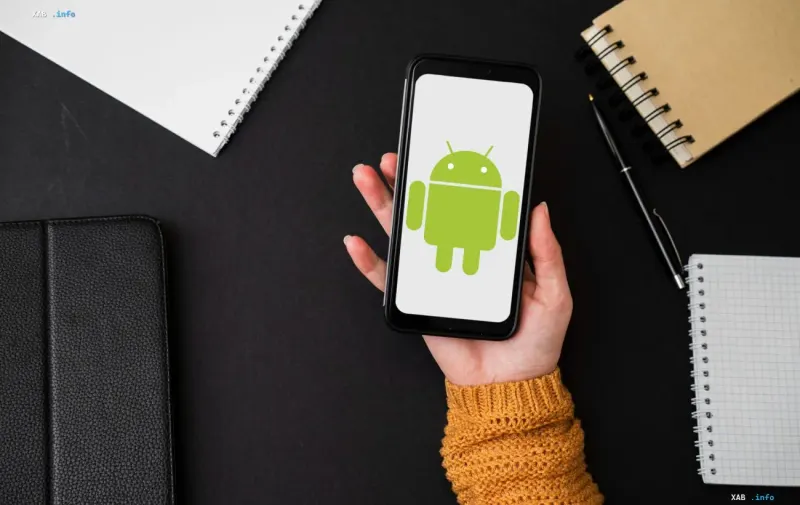
For a long time, each major Android version was given a dessert name in alphabetical order — from Cupcake (1.5) through Donut, Eclair, Froyo, Gingerbread, Honeycomb, Ice Cream Sandwich, Jelly Bean, KitKat, Lollipop, Marshmallow, Nougat, Oreo, Pie, and beyond. The interface's appearance changed in parallel: the bulky elements and shadows of the early versions gave way to the flat, lighter, and more concise Material design. The legendary green robot logo, originally conceived as a simple and friendly symbol, quickly became part of pop culture. Over time, the company moved to simple numeric versioning to make the designations more understandable for users around the world.
An Ecosystem Beyond the Smartphone
Today, Android runs far beyond smartphones. The platform is present on tablets, smart TVs, wearable devices, and in-car information systems. This turns Android into a full-fledged ecosystem in which users can move between devices while maintaining a unified interaction experience. The scale of the app and service ecosystem accumulated over 18 years creates a significant "lock-in effect": it is economically advantageous for developers to support Android, and for users it is difficult to give up their familiar set of apps.
18 Years: What's Next
Having traveled the path from a niche project that Google bought from an independent team to the world's dominant mobile platform, Android remains one of the main driving forces in the tech world. The challenges facing the platform — fragmentation, security concerns, competition from iOS and new players — do not negate its fundamental influence. The story of Android is the story of how an open architecture, flexibility, and scalability turned a modest smartphone with a slide-out keyboard into infrastructure that billions of people around the world can no longer imagine their daily lives without.