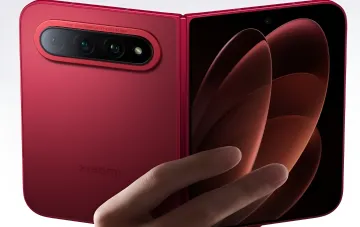
The innovative project of the universal mobile device NexPhone has faced new challenges on its way to the mass consumer. Developer company Nex Computer has officially announced the postponement of the start of shipments for its ambitious gadget by several months. Now, the release of the unique hybrid on the market is expected no earlier than March 2027, as engineers and programmers need additional time to stabilize software and eliminate identified bugs in the code.
Essence of Technology and Three Operating Systems
The main calling card and technical breakthrough of NexPhone is its unprecedented multi-platform capability. The device is designed to support three completely different operating systems out of the box: the modern Android 17 mobile platform, the versatile Debian Linux distribution for advanced users, and the full-fledged desktop operating system Windows 11. Users will be able to switch between them by simply rebooting the gadget, getting an entirely different user experience on the same hardware.
Interface Optimization and Transformation into a PC
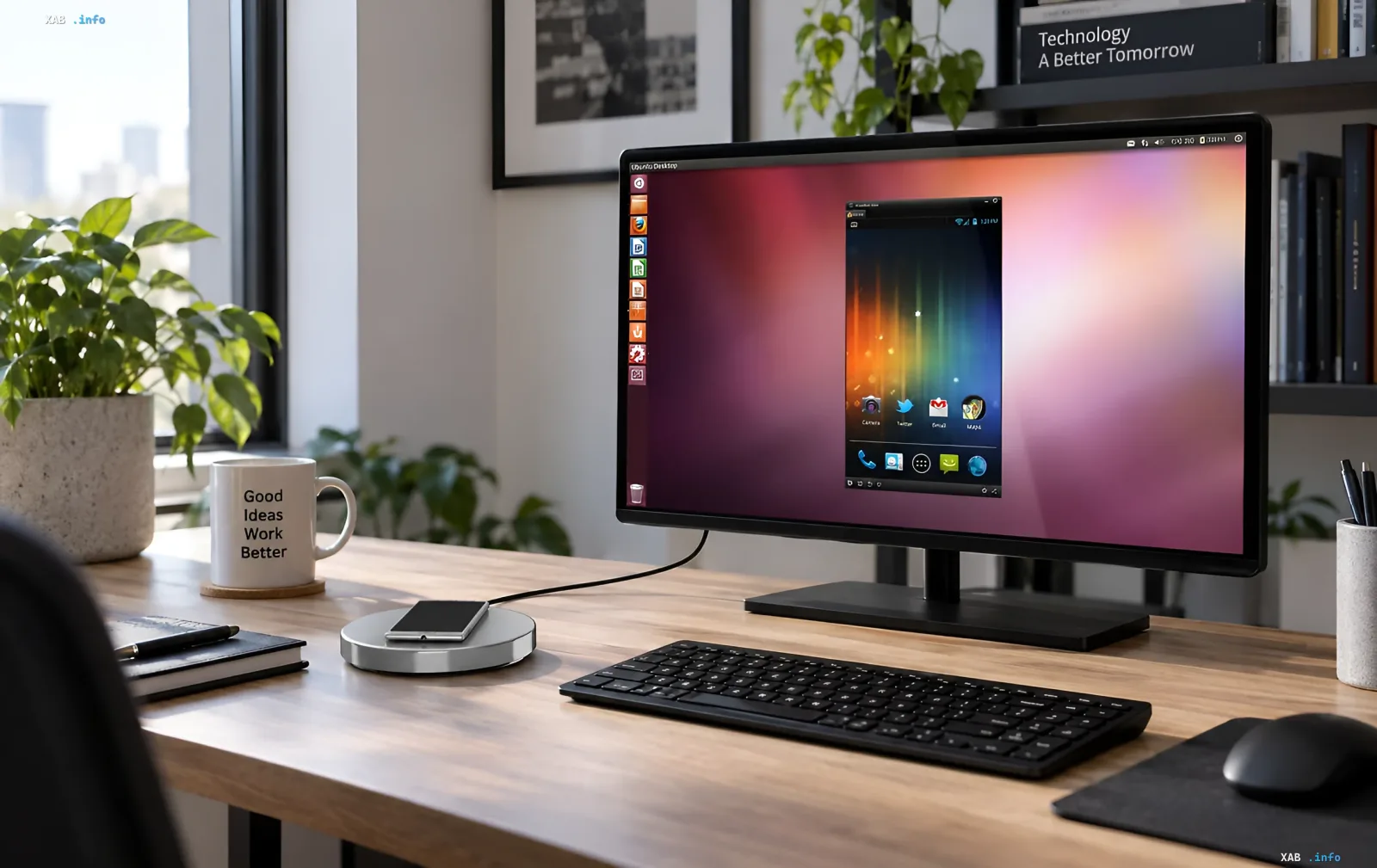
To ensure that working with the desktop operating system on a compact mobile screen does not cause discomfort, developers created a specialized user interface. For Windows, a unique screen with interactive tiles reminiscent of the once-popular Windows Phone interface was designed. In addition, the device's potential is revealed when connecting peripherals: via a standard USB hub with an HDMI interface, the smartphone easily turns into the system unit of a full-fledged personal computer, and the proprietary laptop-form-factor docking station allows using the gadget in a mobile workspace.
Hardware Base and Pricing Policy
Despite software delays, the smartphone's hardware filling meets current standards of the sub-flagship market segment. The device is equipped with 12 gigabytes of RAM and 256 gigabytes of internal storage with expansion capabilities via microSD cards. A high-quality 6.58-inch IPS display supports Full HD+ resolution and an increased refresh rate of 120 Hz. Photographic capabilities are represented by a triple camera module with a main 64 MP sensor, a 13 MP ultra-wide-angle lens, and a 10 MP front camera. The retail price of the device is 599 US dollars, and pre-orders are available after making a deposit of 199 dollars.