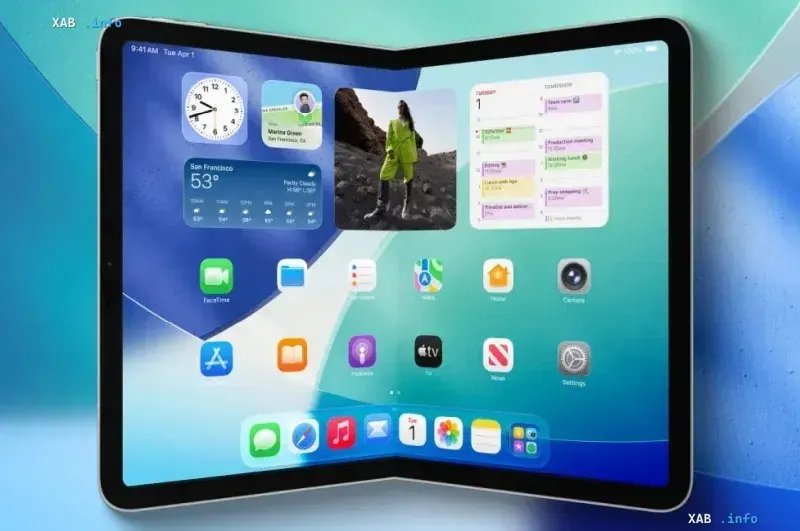
Apple continues its work on ambitious projects in the mobile device segment, exploring the possibility of creating a foldable tablet with a 19 or 20-inch screen. According to recent data from Bloomberg expert Mark Gurman, this device conceptually resembles a "giant iPhone Duo," though at the current stage, the design does not include an external screen. The project is in the active design phase, although its commercial viability remains uncertain due to technological and market challenges.
Technical Barriers and Prospects of the Foldable iPad
Developing a device of such impressive size involves several serious obstacles. Experts note that the current project timeline has been revised: while the tablet was previously expected to appear in 2027–2028, the horizon has now shifted to 2029. The main risks for Apple remain high production costs and the difficulty of ensuring an acceptable yield rate for the units.
Even if the design work is successfully completed, the market positioning of a foldable tablet remains a complex challenge. Forecasts suggest that the retail price of such a device could range from $3,000 to $5,000. Given these factors, there is a possibility that the project may be cancelled entirely if the company fails to find an effective economic model to bring it to market.
Experiments with Full-Scale macOS on Tablets
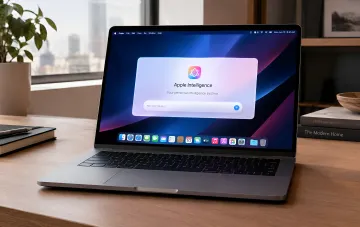
In parallel with the foldable form factor, Apple is conducting internal tests to run the full macOS operating system on iPad family devices. The use of a unified Apple Silicon architecture allows the company to flexibly test the capabilities of running a desktop platform on tablet hardware. Despite the existence of working prototypes, experts emphasize that there are no plans to introduce macOS to the mass iPad segment in the near future.
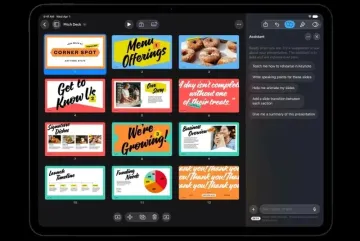
The iPadOS software ecosystem, despite the introduction of a windowed interface in version 16, is still perceived by many users as not flexible enough compared to macOS. Although the processing power of iPads has long been comparable to Mac laptop resources, Apple is adhering to a strategy of gradual evolution of the current system, moving its capabilities closer to desktop standards through targeted updates rather than a radical platform replacement.
Impact on Apple's Strategy
At present, Apple is not working on adapting macOS for widespread use on tablets, preferring to maintain the existing product segmentation. The company's strategy is aimed at the gradual expansion of iPadOS functionality, which allows it to avoid direct cannibalization between its tablet and computer lineups. The launch of a touchscreen MacBook Pro has only fueled discussions about the need to converge operating systems, but Apple's leadership continues to follow a conservative approach, prioritizing the preservation of differences in user experience for each category of devices.