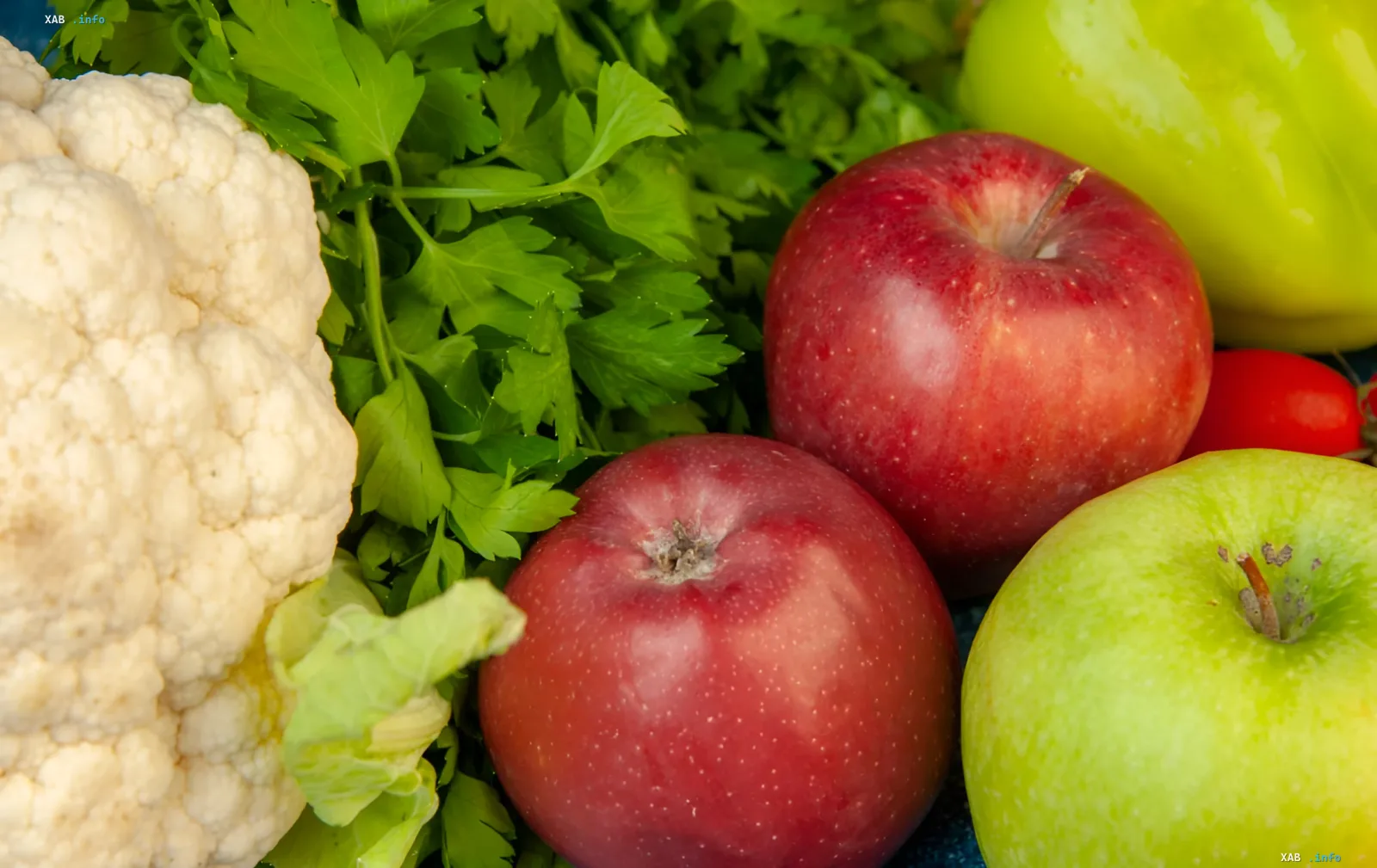
Storing apples seems like a simple task: toss them in a basket or on a fridge shelf and forget about them. However, as the publication Styler (a RBC-Ukraine project) explains, it is precisely apples that can quietly "spoil" the shelf life of other products. The reason lies in biochemistry: during ripening, apples release ethylene — a plant gas that accelerates the ripening and aging processes of many vegetables and fruits. If ethylene-sensitive products sit next to apples for a long time, they lose their freshness faster and sometimes develop an undesirable taste.
Why Ethylene Is So Dangerous for Neighboring Produce
Ethylene acts as a natural "catalyst" for ripening. For products that actively release it themselves, storing them together with apples becomes a double blow: the two gas sources amplify each other. A classic example is ripe bananas. They already release a lot of ethylene on their own, and in a basket with apples the ripening and spoilage process accelerates even further. The same goes for avocados: a firm fruit you plan to keep for a few days will ripen faster next to an apple than you would manage to eat it.
Which Products Are Best Kept Away from Apples
Among the most ethylene-sensitive are carrots, cucumbers, and leafy greens. Carrots lose quality faster under the influence of the gas and may develop an undesirable taste, so it is best to store them in a separate fridge compartment or at least not put them in the same container as apples. Cucumbers next to apples yellow and lose freshness faster, while lettuce, spinach, and other greens are especially vulnerable: proximity to apples accelerates their aging and worsens their appearance. Greens should be kept in a separate container or bag, which helps maintain the necessary humidity.
How to Store Apples Properly
If you have a lot of apples and plan to keep them for several days or a week, it is better to allocate a separate fridge compartment or container for them, keeping them apart from ethylene-sensitive vegetables and fruits. It is also important not to store damaged or slightly rotten fruits together with whole ones for long-term storage: a single spoiled fruit can quickly lower the quality of the entire batch. This approach not only preserves freshness but also helps reduce food waste.
When Proximity Is Not a Problem
There is no need to completely isolate apples from all other products. If you plan to eat the fruits within one or two days, their proximity to other products is unlikely to cause any harm. Separating products makes sense precisely for long-term storage — it is a simple way to keep food fresh longer and throw away less. Thus, proper apple storage comes down to one rule: the longer a product needs to stay fresh, the more important it is to keep it away from sources of ethylene.