You would think that boiling potatoes could not be simpler. Yet, according to culinary experts, one common habit is enough to turn a perfect dish into a watery mush. The culprit is rushing: in a bid to save time, many people pour hot water straight from the kettle over the cut vegetable. Culinary expert Daniel Gritzer, whose words are quoted by Styler with reference to the Daily Express, calls this the worst thing you can do and explains why the texture of the vegetable is guaranteed to be ruined.
Why hot water destroys the texture
The mechanism is simple and predictable. Hot water instantly coagulates and “cooks” the outer layer of the potato, while the center remains raw. As a result, by the time the core is done, the edges of the vegetable have already overcooked and start to fall apart. By the moment the pot is taken off the heat, the pieces have turned to mush before you even get a chance to scoop them out. That is exactly why rushing in this case does not save time — on the contrary, it ruins the dish.
The right technique: a cold start and a gentle simmer
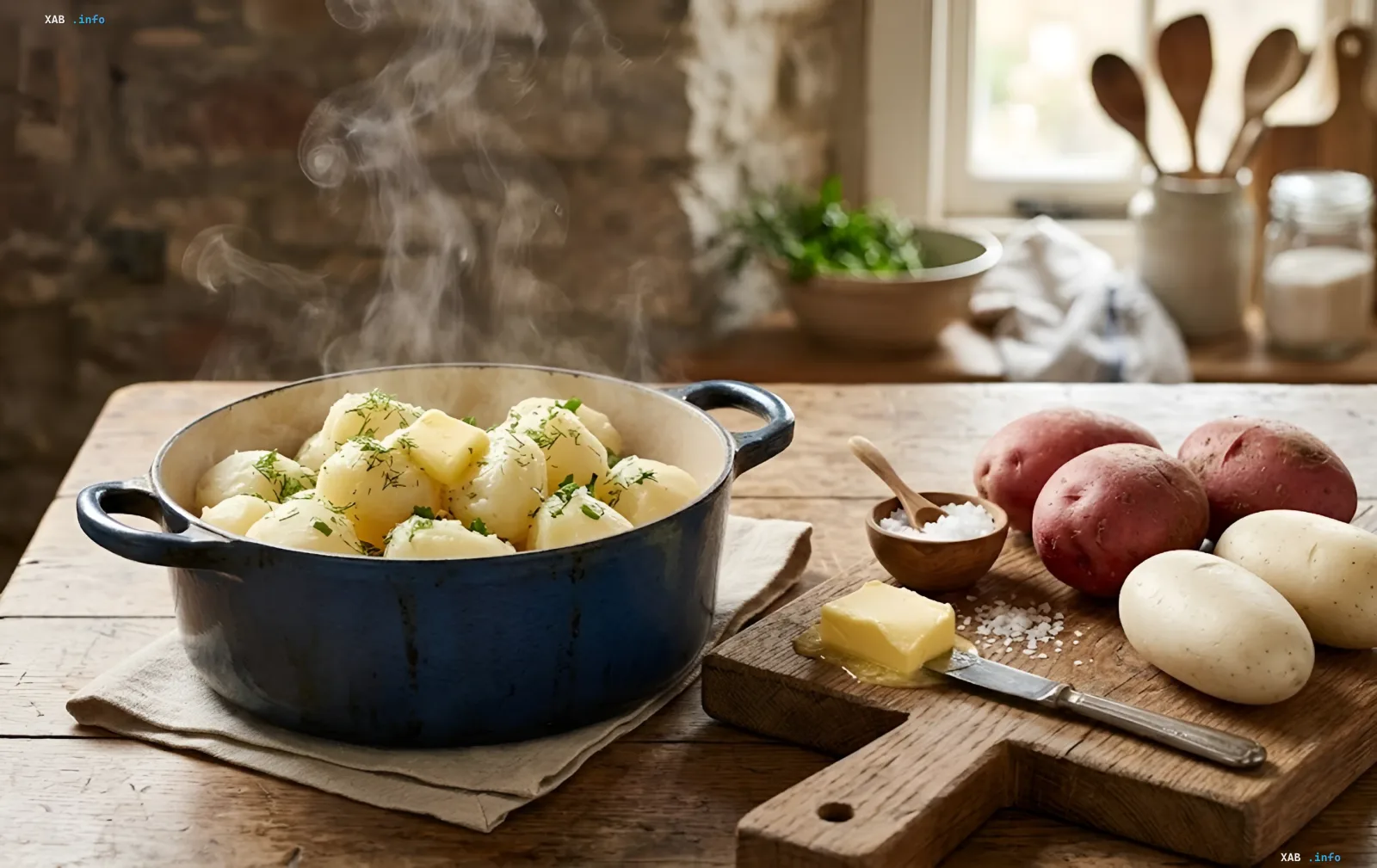
Potatoes should heat up gradually, together with the water. This allows pectin — the substance that holds the cell walls together — to firm up, which gives the texture a creamy quality and keeps the pieces in whole shape. The second key point is the heat. The stove should not be turned up to maximum: slow cooking over a low, gentle simmer ensures even, gentle cooking from the edges all the way to the core. The third rule is to stir regularly. Potatoes at the bottom of the pot cook faster than those floating on top, and a few stirs with a spoon balance the process, giving every piece an equal chance of cooking through evenly.
Salt, butter, and the finishing touch
Experts recommend salting the water generously. The skin and dense texture of the potato act as a barrier that slows the penetration of seasoning into the interior, so you need to add noticeably more salt than seems necessary — otherwise the flavor will only come through on the surface. The finishing touch is a generous portion of butter, added right after the water is drained: it seals in the moisture, keeps the potatoes from drying out, and gives them an appetizing sheen.
Choosing the variety: starch content is what matters
Even flawless technique will not save the dish if the wrong variety is chosen from the start. The whole secret lies in the percentage of starch. For salads and vinaigrette, where it matters that the pieces hold their shape, “waxy” varieties with low starch content are ideal: they have a thin, smooth skin in red or pale yellow and a firm flesh that does not fall apart. Starchy varieties with a thick, rough skin and a fluffy, pale flesh, by contrast, break down instantly and absorb butter and milk perfectly, but in a salad they will turn into a complete mush. Varieties with a medium starch content serve as a universal compromise for most everyday dishes — from stewing to frying. So the right result depends not on a single action, but on a chain of decisions: from the choice of water and heat to the variety of vegetable.