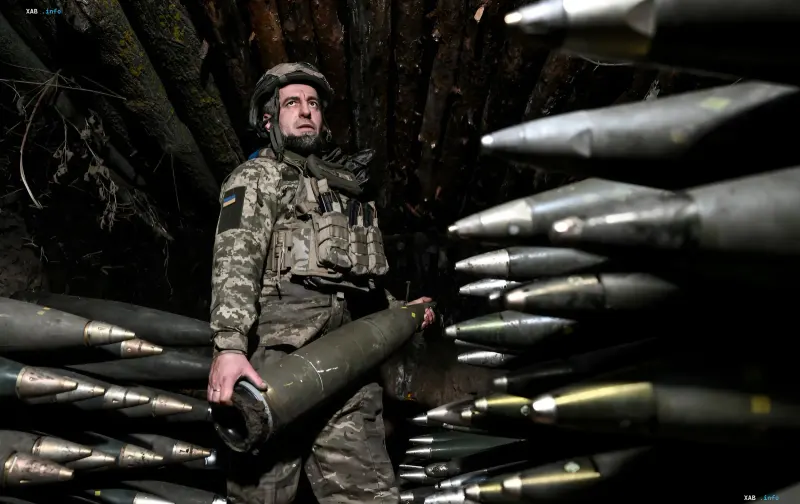
A critical situation regarding the supply of ammunition to artillery units has developed on the frontline sections in Ukraine. According to military correspondent Yulia Kyriienko-Merinova, there are currently about two shells per gun per day — a figure that, according to her, does not meet the requirements of combat use and causes serious concern among the artillerymen themselves. The most acute shortage is seen in long-range 155mm shells with a firing range from 29 to 36 kilometers and more, which under current conditions are a key means of destruction in the expanding kill zone.
Results of the 37th Ramstein-format meeting: Focus on air defense and UAVs
This assessment of the situation was voiced following the 37th meeting of the Ukraine Defense Contact Group, which took place in Brussels on November 17, 2026. According to RBC-Ukraine, Western partners during the discussion focused mainly on three areas: strengthening air defense, developing Ukrainian production of unmanned aerial vehicles, and implementing the PURL (Patriot and Ukraine Resilience Link) program. At the same time, as Kyriienko-Merinova notes, contributions aimed directly at artillery ammunition turned out to be noticeably more modest in volume and priority.
Expansion of the kill zone and growing need for long-range assets
The journalist warns that the tactical situation at the front continues to evolve: the destruction zone where the parties actively use artillery and missile systems is steadily expanding. According to her forecast, next year the kill zone could reach 40 kilometers. This means that the need for long-range destruction assets — primarily 155mm shells with a range of 29 to 36 km and ultra-long-range ammunition capable of hitting targets beyond 36 km — will only increase. An additional factor exacerbating the shortage, according to the war correspondent, remains systemic delays in shell deliveries from a number of manufacturers.
What allies announced: 15 countries with new aid packages
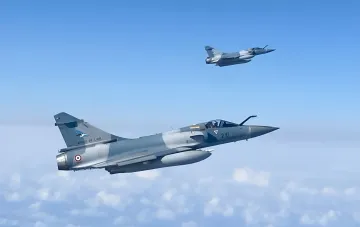
Following the Brussels meeting, 15 countries announced new military aid packages for Ukraine. Among the key areas are strengthening air defense, supporting Ukrainian UAV production, and supplying ammunition. In particular, Great Britain intends to transfer more than 1,000 missiles for short-range air defense systems. During the meeting, President Volodymyr Zelenskyy urged partners to provide an additional 40 F-16 fighters and proposed a mutually beneficial cooperation mechanism to supply Ukraine with air defense missiles. Defense Minister Yevhen Khmara, in turn, appealed to allies to consider transferring 10% of existing interceptor missile stocks to Ukraine, including for Patriot and IRIS-T anti-aircraft missile systems.
Risk of systemic shortage next year
Kyriienko-Merinova emphasizes that protecting the airspace certainly remains a vital task. However, according to her assessment, if artillery support is systematically pushed to the background in the military aid structure, the consequences for the front will manifest themselves next year. In the conditions of an expanding kill zone and winter conditions, when the tactical capabilities of the parties change, the shortage of long-range 155mm shells can lead to an imbalance of forces in certain areas of the front and a limitation of the capabilities of Ukrainian artillery in performing fire support tasks.