On November 17, the 37th meeting of the Ukraine Defense Contact Group in the Ramstein format was held in Brussels. Following the meeting, 15 partner countries presented military support plans for the coming months and for 2027. This was reported by the press service of the Ministry of Defense of Ukraine, cited by RBC-Ukraine. As Kiev emphasized, the key priority remains protecting Ukrainian skies from Russian attacks during the winter period. Partners confirmed both new packages and previously announced commitments, as well as funding mechanisms through the PURL program, which allows Ukraine to procure weapons using allied funds.
Air Defense Remains the Main Focus
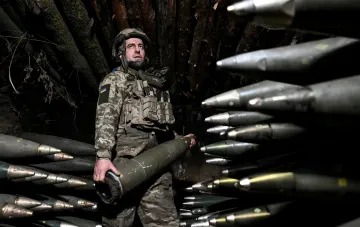
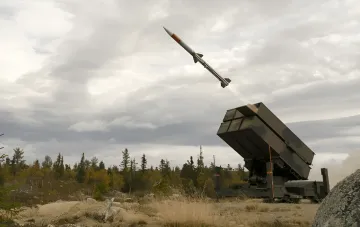
Most of the announced packages are related in one way or another to strengthening air defense. Germany confirmed a previously announced 1 billion euro package, which includes IRIS-T systems, radars, interceptor drones, integration of IRIS-T missiles into NASAMS systems, and 20mm ammunition for F-16s. Britain allocated 240 million pounds sterling for interceptors, LMM missiles, and radars. Denmark confirmed 200 million euros for critical air defense assets and additionally announced a new defense package worth 645 million euros. Norway announced a general package of about 800 million dollars, of which 150 million dollars will be directed to air defense, including MANPADS, and up to 11 million euros for counter-measures against Shahed jet drones. Spain will transfer an additional package of over 400 million euros, including IRIS-T missiles, drones, and artillery shells. Finland confirmed two packages totaling 291 million euros with an emphasis on air defense.
Fighter Jets and Aviation Support
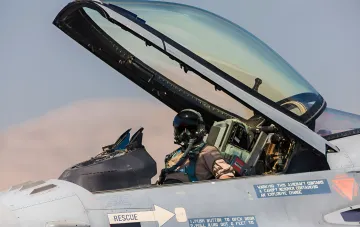
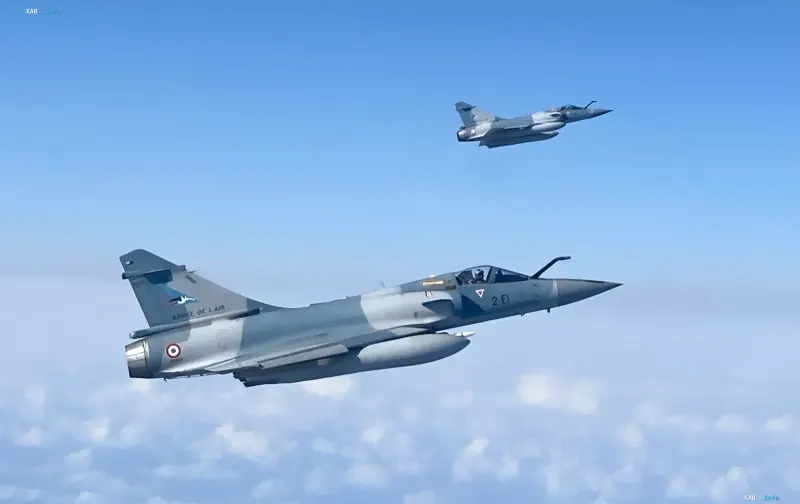
Belgium took a significant step: the country promised to transfer 10 F-16 fighter jets to Ukraine by the end of 2026. Belgium's total support this year amounts to 1.1 billion euros, of which 100 million are allocated to the PURL program, and another 1 billion euros is planned for 2027. In addition, supplies of 70mm and 20mm aviation ammunition were confirmed in Brussels. France confirmed the transfer of two Mirage 2000-5F fighter jets by the end of 2026, as well as 30mm ammunition for the Mirages financed by an EU loan. Canada will supply 20mm aviation ammunition and also transfer Canadian-made optical systems under the FrankenSAM program. Denmark and Norway are funding the purchase of ammunition for F-16s and AASM Hammer 250 aerial bombs.
Drones and the Ukrainian Defense Industry
The development of domestic drone production has become one of the cross-cutting areas. As part of its new 645 million euro package, Denmark is allocating funds for the purchase of Ukrainian-made strike drones and interceptor drones. Norway will direct 300 million dollars to purchase Ukrainian drones for the Defense Forces. The Netherlands confirmed its contribution to the "Drone Line" initiative and a winter package of 500 million euros. Lithuania allocated 250 million euros for 2027 — over 0.25% of GDP — and planned contributions to projects of the Ukrainian defense-industrial complex. In 2027, Estonia will direct at least 0.25% of GDP to support Ukraine. Spain and Denmark include drones in their packages, and Germany confirms supplies of interceptor drones.
The PURL Program and Financial Mechanisms
The PURL (Purchasing in Ukraine for Resilience in Europe) program remains a key funding instrument: through it, partners direct funds to purchase weapons directly within Ukraine. Norway is contributing 300 million dollars, Sweden confirms support for PURL as part of a 71 million dollar package, Finland is preparing a 40 million euro contribution, Portugal 50 million euros, and Luxembourg 25 million euros by the end of the year. The Netherlands announced a new contribution to PURL this year. Denmark and Germany are channeling funds received as reimbursement from the European Peace Facility to further support Ukraine. Canada is allocating funds to purchase AIM-7, R-73, and R-27 missiles under the Czech Initiative.
Zelensky's Missile Exchange Proposal
During the meeting, President Volodymyr Zelensky proposed that partners exchange their existing Patriot and IRIS-T air defense missiles for newer orders that Ukraine has already placed. The initiative aims to ensure that allies retain modern ammunition at their disposal while Kiev gets the opportunity to use earlier batches. This proposal complements the general course toward optimizing logistics and renewing air defense arsenals amid ongoing massive attacks on Ukrainian infrastructure.