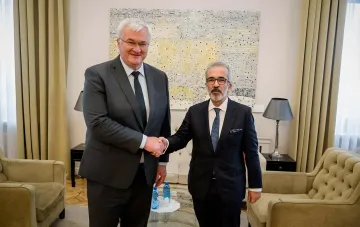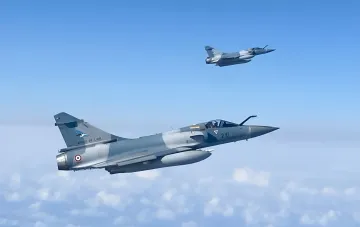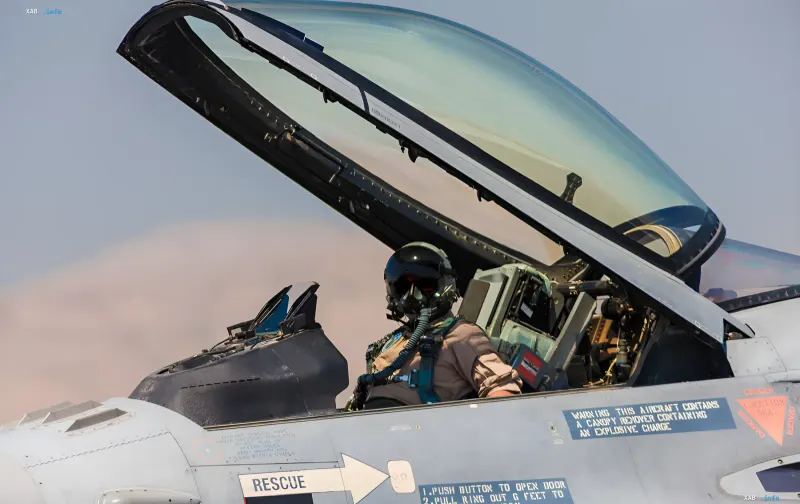
Portuguese Foreign Minister Paulo Rangel has categorically ruled out the possibility of transferring F-16 fighter jets to the Armed Forces of Ukraine. According to him, these aircraft are "essential" for defending the country's own airspace, which, as the Foreign Minister emphasized, is "vast, as it covers not only the land territory but also the maritime domain." The statement came against the backdrop of ongoing discussions within the "Ramstein" coalition, where Kyiv systematically requests additional batches of Western aircraft.
Pilots and ammunition — areas Lisbon is willing to discuss
Despite the firm refusal to transfer the aircraft, Rangel opened the door to alternative forms of cooperation. He noted that training Ukrainian pilots is "a separate issue that can be discussed" and recalled that Portuguese instructor teams had previously trained Ukrainian pilots to fly F-16s. "This means that cooperation in this direction can continue," the minister stated. Furthermore, he recommended considering the issue of jointly providing ammunition for F-16s and exploring whether interaction in this sphere is possible.
Decision rests with the Ministry of Defense
Rangel clarified that the final decision on any matters related to military aid is made not by the Ministry of Foreign Affairs, but by the Ministry of Defense and the Portuguese Armed Forces. It is with them that the head of the diplomatic department intends to discuss the possibility of continuing pilot training and logistics for ammunition. Thus, even with political consent for cooperation, the technical and operational decision remains under the purview of the defense ministry.
Context: Kyiv's pressure on the coalition
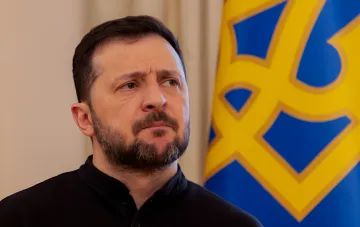
Lisbon's statement came at a time when President Volodymyr Zelenskyy, at a recent meeting of the "Ramstein" coalition, once again called on partners to provide the Armed Forces of Ukraine with forty more F-16 fighter jets. For Ukraine, which has been at war since 2022, Western aircraft remain a key element of air defense and strike capability. However, as the Portuguese position shows, not all F-16-owning countries are ready to part with their own fleet of aircraft, citing national interests and the geographical specificities of their territory.
What this means for Ukraine
Portugal's refusal deprives Kyiv of another potential source of fighter jets, but it does not close the issue of support as a whole. Training pilots and providing ammunition are real, albeit less visible, forms of assistance that can be implemented without compromising Lisbon's defense capabilities. For Ukraine, it is critical that such agreements are formalized at the level of defense ministries and backed by specific timelines and volumes, rather than remaining at the level of declarations about a readiness to "consider" options.