Greek tanker Skiros attacked in the Black Sea
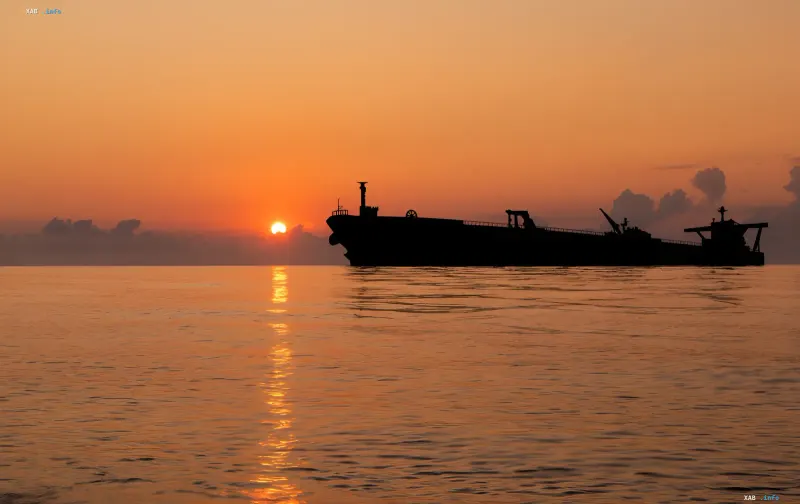
On Sunday, August 16, 2026, the Greek Suezmax-class tanker Skiros was the victim of an attack in the Black Sea, shortly after loading a shipment of Russian oil at the Caspian Pipeline Consortium (CPC) terminal near Novorossiysk. The incident occurred off the coast of the Krasnodar Krai, in an area where numerous strikes on oil infrastructure have previously been recorded. According to sources cited by the publication, the vessel, capable of carrying about 1 million barrels of oil, was attacked shortly after leaving the port.
The CPC, one of the key export routes for Kazakh oil, has been under close scrutiny in recent months due to its strategic significance. Although the pipeline is primarily used to transport Kazakh oil, in this case, the Skiros tanker carried a Russian shipment, which experts believe may have been the cause of the attack.
Operator response and no casualties
The Athens-based company listed in the Equasis system as the operator of the Skiros vessel confirmed the incident but stated that no one was injured and no environmental pollution occurred as a result of the attack. The company declined further comment, citing the need for an internal investigation. Nevertheless, the fact of the attack was confirmed by independent sources, including satellite imagery and radar monitoring data.
Political context and agreements with Ukraine
This is the first attack on a vessel entering the CPC terminal after an almost three-week pause. In July 2026, Ukraine agreed not to attack CPC infrastructure and vessels carrying non-Russian cargo heading to the terminal. However, this agreement does not apply to vessels carrying Russian oil or those under Ukrainian sanctions. Thus, the attack on Skiros can be interpreted as a continuation of the policy of targeted strikes on Russian energy flows.
Conflicting data
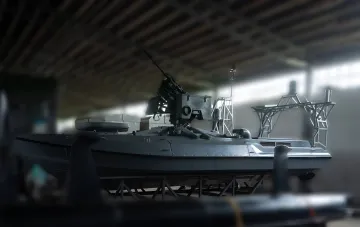
There are discrepancies in versions regarding the nature of the attack. According to Russian sources, the attack was carried out using unmanned aerial vehicles launched from Ukrainian territory. At the same time, Ukrainian officials did not comment on the incident, which sparked speculation about possible third-party involvement or that the attack could have been carried out using sea drones launched from neutral waters. Furthermore, some sources indicate that the tanker may have been attacked even before leaving the port, casting doubt on the version of an attack in open waters.
Impact on Kazakh oil exports
The previous series of attacks on tankers in the Black Sea has already jeopardized the export of Kazakh oil through the CPC terminal. Due to shipping risks, Kazakhstan was forced to suspend oil supplies to the terminal in mid-July 2026. This led to a reduction in production at Kazakh fields and a rise in oil prices in the region. Experts warn that a recurrence of such incidents could lead to long-term supply disruptions and increased reliance on alternative routes, such as pipelines through Azerbaijan or maritime transport through the Red Sea.
International consequences and prospects
The attack on Skiros could have serious international consequences, especially in the context of current negotiations on security in the Black Sea. If Ukraine continues to attack vessels carrying Russian oil, this could lead to an escalation of tensions and new sanctions from Russia. At the same time, if the attack is deemed illegal, it could affect Ukraine's reputation and its relations with Western partners. In any case, the incident highlights the vulnerability of sea routes and the need to strengthen security measures to protect oil infrastructure.