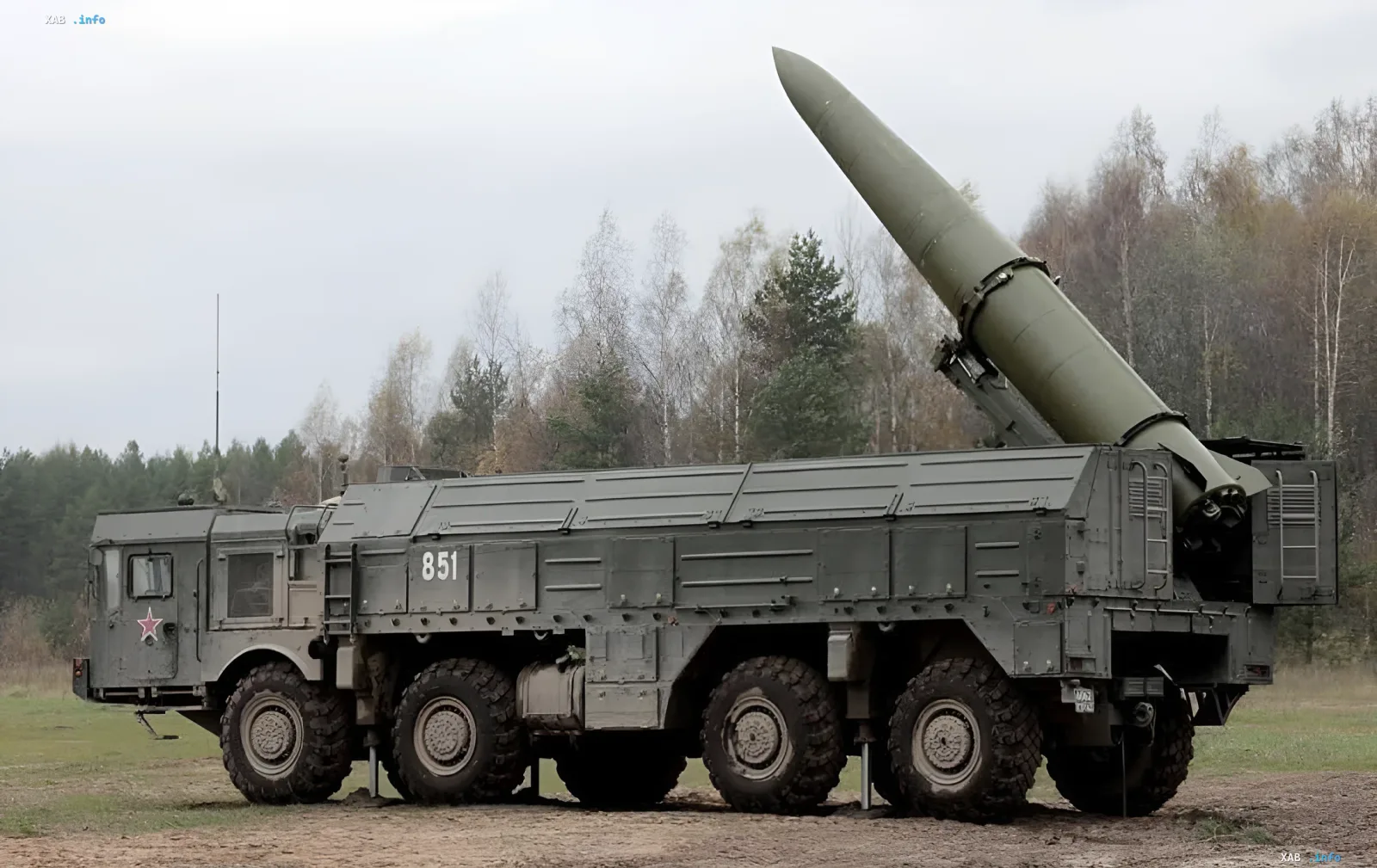
The events of July 24 in Kyiv disrupted the established pattern of hostilities. Around 11:30 AM, explosions were heard in the capital of Ukraine following a warning about a threat from ballistic weaponry. For the Russian side, which traditionally prefers to strike the city at night, such an attack was an anomaly.
While local authorities have not reported large-scale destruction or casualties, an ambulance brigade was dispatched to one of the city's districts. Experts have already begun analyzing the adversary's motives, trying to understand the logic behind this atypical step.
Readiness for a Mass Strike
Anton Zemlyanoy, a senior analyst at the Ukrainian Center for Security and Cooperation, notes that, judging by the process of missile accumulation, Russia is clearly preparing another large-scale shelling. However, the choice of timing—daylight hours—requires separate consideration. According to the expert, there are three main hypotheses explaining the adversary's actions.
Technical Delay or Malfunction
The first and simplest scenario is related to technical reasons. Perhaps the attack was planned for the night of July 23 to 24, but for a number of objective reasons, it occurred with a significant delay. In this case, the daytime strike is not a strategic decision but a forced measure.
Political Signal and Distraction
The second version assumes a demonstration of force based on intelligence data. The command may have ordered a daytime strike to distract attention. In particular, this could have been done to divert Russian attention from the strikes by the Ukrainian Defense Forces on Wildberries marketplace warehouses.
Furthermore, a delegation from the USA was in Kyiv the day before. The analyst believes that a strike during the presence of foreign representatives in the capital looks like a certain political signal and a demonstration of force.
Exhaustion of Air Defense: The Most Likely Scenario
The third and, according to Zemlyanoy, the most likely scenario is related to the exhaustion of the Ukrainian air defense system. The enemy may be trying to force Kyiv to spend valuable missiles on interception during the day, when the effectiveness of air defense operations may be lower or when the system's resources are already depleted.
Summarizing the situation, the expert warned that the daytime strike might be just a reconnaissance in force. The Russians may be preparing a massive combined strike on the capital at night, using the daytime attack to assess the defenders' reaction.
Historical Context of Attacks
The situation on July 24 was indeed atypical. Usually, ballistic missile attacks on Kyiv occur at night. For example, the previous massive shelling of the capital began around 1:00 AM on July 16. Prior to that, there were also night attacks, in particular using S-400 missiles, when the alarm in the capital sounded only after the first explosions.