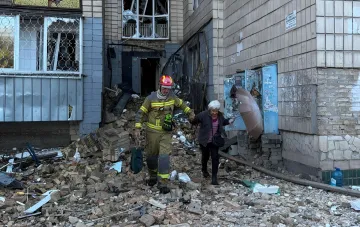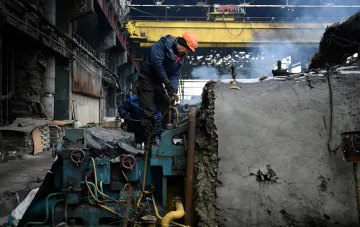
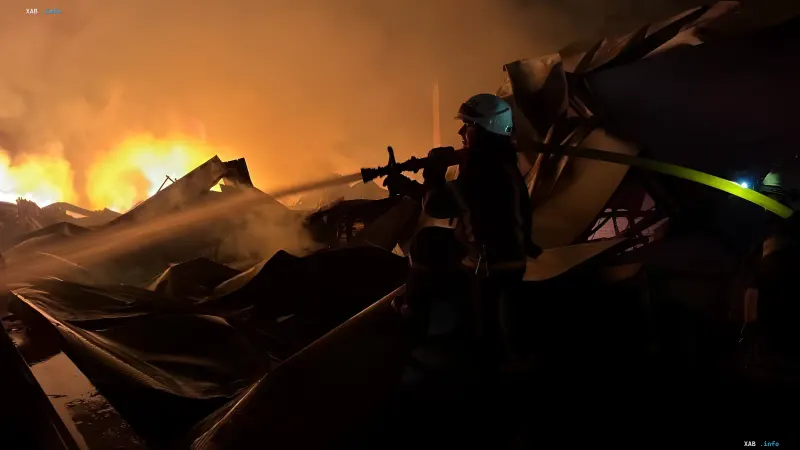
On the night of August 5, Ukraine experienced one of the most massive attacks in recent times. Russian aviation and drones launched a massive strike on the capital and the Kyiv region. As a result of the shelling, which lasted all night, people were killed, dozens of industrial and residential objects were destroyed, and huge fires broke out on the horizon of the city and the region.
Casualties and destruction: statistics of the tragedy
As of 12:00 noon, the number of casualties from the attack reached 16 people. Another 36 citizens were injured with varying degrees of severity. Timur Tkachenko, Head of the Kyiv Regional Military Administration, confirmed that the strikes were carried out by ballistic missiles and attack drones on several districts at once.
The situation is most critical in the Brovary district. It was here that 10 people died and another 16 were injured. The destruction affected 19 infrastructure objects: 7 warehouse buildings, a production facility, three private houses, a greenhouse facility, and seven trucks.
In the Bucha district, the attack claimed the lives of five people, and 16 were injured. The scale of destruction here is also huge: 40 objects were damaged, including five warehouses, a private house, and 34 vehicles. In the Fastiv district, one person died and four were injured. Damage to a warehouse building and 18 vehicles was recorded there.
Environmental threat and rescue operations
In total, 78 objects were damaged in the region as a result of the attack. Due to fires at logistics centers, enterprises, and warehouses, a sharp deterioration in air quality was recorded in the region. Thick smoke and a pungent smell from burning industrial materials pose a serious threat to the health of the population.
All emergency services are working in an enhanced mode. Rescuers continue to eliminate the consequences of the strikes, extinguish fires, and search for possible victims under the rubble. Residents of the capital and the region are recommended not to go outside unless absolutely necessary, to keep windows and doors tightly closed, and to monitor their water balance and protect their respiratory tract from smoke.