Lithuania, Latvia, and Estonia have jointly appealed to the European Commission for additional funding to develop counter-drone capabilities. This was reported by RBC-Ukraine, citing a statement by Lithuanian Defense Minister Robertas Kaunas in a comment to the Reuters agency. According to him, the three Baltic countries intend to strengthen their anti-drone measures and are considering joint procurement of the necessary equipment.
Joint Appeal to the European Commission
The initiative by the three Baltic states has been submitted in the form of a joint appeal to the European Commission, underscoring an attempt to build a coordinated regional response to the growing threat posed by unmanned systems. Kaunas emphasized that the goal of the appeal is to strengthen national counter-drone capabilities, and that a joint procurement mechanism for the equipment is being considered, which should reduce the burden on individual budgets and improve the efficiency of fund usage.
Context: Drones over the Baltic
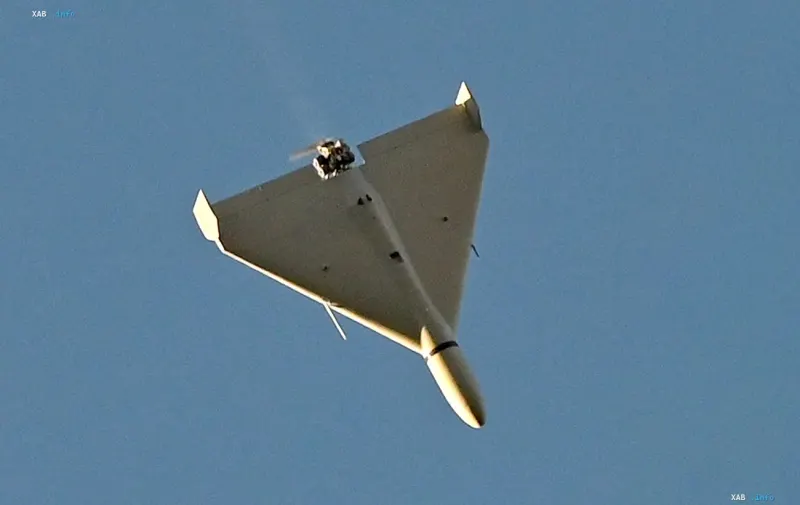
The appeal is directly linked to concerns about drones that, during Russia's war against Ukraine, have periodically entered the airspace of the Baltic region. Recently, Ukraine has intensified the use of long-range drones to strike targets on Russian territory, and some aircraft during such operations have entered the airspace of the Baltic states. This, according to local authorities, heightens concerns that the consequences of the conflict may spread beyond Ukraine.
Priority for European Defense Industry
The Baltic states are considering a joint procurement of equipment to counter drones, with preference, as Kaunas stated, to be given to products of the European defense industry. "We are considering the possibility of jointly purchasing this equipment, preferring the European defense industry," the minister noted. In his words, such an approach should simultaneously enhance the resilience of Lithuania, Latvia, and Estonia and contribute to the development of Europe's defense sector as a whole.
Contradictory Data
The amount of funding requested does not match across the parties' statements. Kaunas himself did not specify the exact sum that the Baltic states are requesting from the EU in his comment. Meanwhile, the Finnish outlet Iltalehti reported that the figure is 500 million euros, but this number was not confirmed by the Lithuanian minister. At the same time, the headline of the RBC-Ukraine (rbc.ua) article directly states that the Baltic states are requesting "half a billion euros" from the EU to counter drones. Thus, the fact of the joint appeal is confirmed, while the specific amount remains unofficially confirmed and varies depending on the source.
Broader Escalation Context
The initiative fits into a broader backdrop: in the countries of NATO's eastern flank, possible scenarios of escalation by Russia are being discussed more frequently. NATO has stated its readiness to respond to any provocations and attacks by Russia, and an Alliance general emphasized readiness to counter potential escalation on Europe's eastern flank. Lithuania, for its part, reported receiving intelligence on possible Russian preparations for operations "under a false flag," which, according to local authorities, may be aimed at testing NATO's readiness to respond. The risks for Alliance countries were also pointed out by Latvian President Edgars Rinkēvičs, who stated that Russia launching even a few missiles at NATO territory could become a serious test for many countries. European Commission President Ursula von der Leyen, in turn, characterized the drone incidents in the Baltic states as a deliberate Russian strategy.