An Ecological Resource in Your Kitchen
In August 2026, as issues of sustainability and environmental friendliness reached the peak of public attention, experts are calling for a re-evaluation of habits regarding food waste. Every year, millions of tons of banana peels are sent to landfills, although they represent a most valuable resource for gardeners and vegetable growers. James Ward, an expert from Wheeldon Brothers, emphasizes: "If you have a garden, banana peels are the last thing that should end up in the general landfill. They are completely biodegradable and are a fantastic source of nutrients".
Instead of buying expensive fertilizers or contributing to environmental pollution, owners of dachas and houseplants can use for free what is usually simply thrown away. This is not only economically beneficial but also environmentally responsible.
Chemical Composition and Benefits for Soil
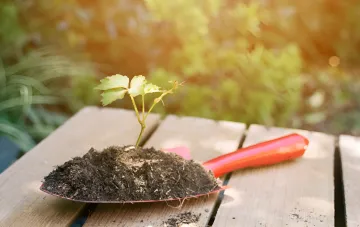
A banana peel is a real vitamin bomb for the soil. It is naturally rich in key micronutrients: potassium, phosphorus, magnesium, and calcium. These elements are necessary for the healthy growth of plants, especially flowering and fruiting crops. With proper rotting, the peels form a highly nutritious organic mass that not only feeds flowers and vegetable beds but also significantly improves soil structure, helping it retain moisture much longer during heat — which is particularly relevant given the climate change conditions of 2026.
Gardener Mistakes and the Correct Approach
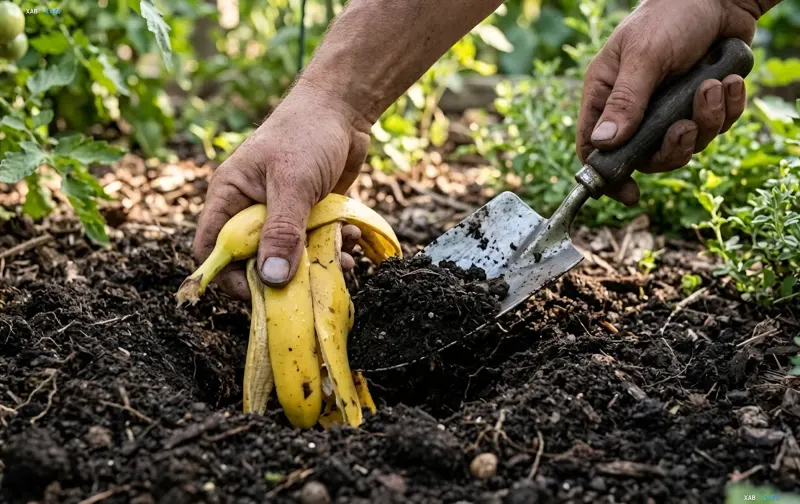
Many amateur gardeners make a critical mistake: they simply scatter or shallowly bury whole banana peels right next to plants. The expert warns that this is a false approach. If you throw fresh peels onto a flower bed or under a bush, they will attract unwanted pests, insects, and rodents before they have a chance to decompose and bring benefit. Furthermore, the rotting process on the surface can cause unpleasant odors and create a favorable environment for fungal infections.
Composting — The Gold Standard
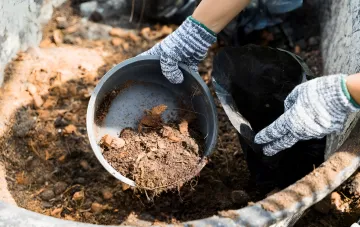
The best and safest method is to add banana waste directly to a compost pit or bin. There, they can rot quickly and correctly along with other organic residues, turning into a universal fertilizer. Creating your own compost is the simplest way to reduce the amount of household waste and obtain an ideal, eco-friendly fertilizer that can be used year-round. This method is especially effective in urban conditions where space is limited and the need for organic matter is high.
Contradictory Data
Some sources claim that banana peels can be buried directly under plants without composting, especially if they are pre-chopped. However, other experts, including James Ward, insist on the necessity of composting to prevent attracting pests and to ensure the even release of nutrients. The difference in approaches may depend on climatic conditions, soil type, and plant species. In the conditions of the hot summer of 2026, composting remains the more reliable and safe method.
Practical Recommendations for 2026
For maximum effect, it is recommended to collect banana peels for several days, then chop them and add them to the compost pile along with leaves, grass, and other organic waste. It is important to monitor the moisture and aeration of the compost to speed up the decomposition process. After 2–3 months, the finished compost can be applied under plants, providing them with nutrition for the entire season. This method is particularly relevant given the resource deficit and rising fertilizer prices in 2026.