After the harvest is in, a garden inevitably leaves behind a fair amount of material that looks, at first glance, like useless waste: fallen leaves, weeds, plant tops, mown grass, and pruned branches. It is in autumn that the compost heap receives the largest volume of valuable organic matter, and the quality of the humus you'll have next season depends on how you load it. According to Styler, most autumn waste is perfectly suitable for composting, but some of it, if added incorrectly, can bring diseases and weeds onto your beds. We break down what you can confidently toss into the pile and what is best left out.
What to Confidently Add to Autumn Compost
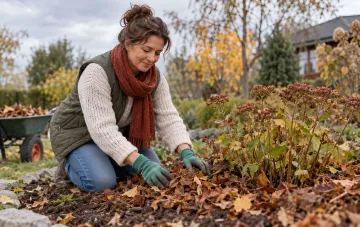
Fallen leaves are one of the most obvious materials for autumn composting. You can add them to the main pile or collect them separately to make leaf mould. The rate of decomposition depends on the tree species: thin, soft leaves break down faster, while dense ones are best shredded beforehand. The tops of healthy vegetables — bean, pea, cucumber stems and other crops — can also be used, provided the plants showed no signs of disease. Annual weeds without seeds, especially young ones with soft stems, make a good addition to the pile, but adding seeded plants is risky if the compost does not heat up to a high temperature. Mown grass can go into the compost, but not in thick layers: fresh grass quickly compacts, becomes wet, and starts to smell unpleasant, so it should be mixed with dry leaves, shredded branches, or cardboard.
Greens and Browns: The Balance That Decides Everything
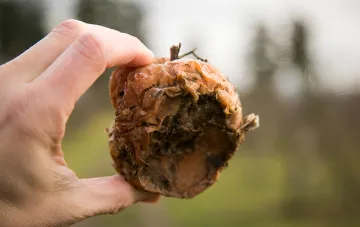
Thin pruned branches and dry stems are an important "brown", carbon-rich part of the compost. It's best to chop them with shears, secateurs, or a garden shredder to speed up decomposition. Fallen fruit and spoiled vegetables can be used if they have simply over-ripened or begun to spoil without signs of serious disease; large fruits should be chopped before adding. Cardboard and non-glossy paper are another useful autumn material: tear or shred them and add in small portions together with wet green waste to maintain the balance. The well-known British gardener Monty Don emphasises a simple principle: good compost is not made from a single type of waste — nitrogen-rich "green" materials must be combined with carbon-rich "browns", otherwise the mass becomes too wet and airless.
What Definitely Shouldn't Go in a Home Pile
The first rule — don't put diseased plants into home compost unless you are sure the system reaches a high enough temperature. Pathogens can survive composting and return to the garden together with the finished humus; the RHS recommends sending infected material to specialised industrial composting in such cases. You should also avoid the roots of perennial weeds — couch grass, hogweed, and bindweed: an ordinary pile does not heat up enough to destroy them, and they may sprout again on the plot. Caution is also needed with weeds that have already formed seeds, as well as with plants that have come into contact with herbicides: some chemical agents persist in organic matter and can damage sensitive crops even after composting. Thick branches and large pieces of wood are not "toxic", but they decompose very slowly, so it's better to shred them or use them for other purposes.
How to Avoid Mistakes: Simple Guidelines
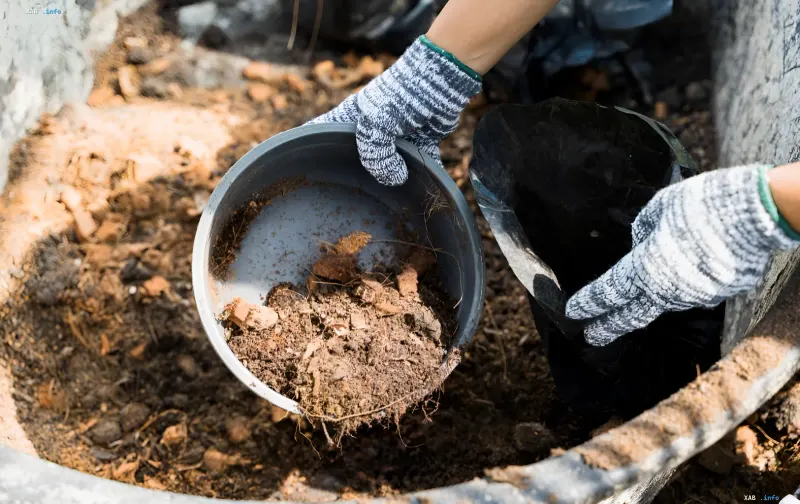
The main guideline for a gardener is variety in composition: green waste provides nitrogen, dry material provides carbon, and moderate moisture plus air access create the conditions for microorganisms to work. In autumn, don't dump everything left over from the harvest into the pile: a large amount of wet leaves or fresh grass without dry organic matter makes the compost too wet, in which case you need to add dry material and turn the mass. Following these rules turns autumn waste into a valuable fertiliser rather than a source of problems for the next season.