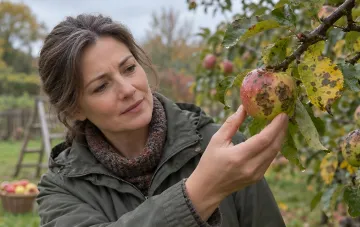
Rotten apples on the tree are one of the most common problems gardeners face in late summer and autumn. The process spreads especially quickly if the fruit is damaged, stays wet for a long time, or if there are already infected specimens on the tree. According to the Royal Horticultural Society (RHS), even a single affected apple can become a source of infection for neighbouring fruit, especially if they are touching each other. We break down the main causes and practical steps that will help prevent the situation from recurring in the next season.
Moniliasis — the main culprit behind rot
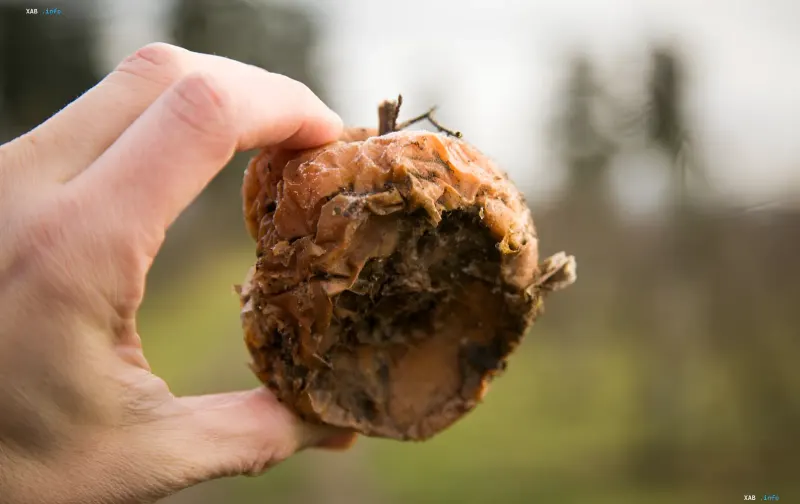
One of the most frequent causes is fruit rot, or moniliasis. This fungal disease leads to the appearance of a brown spot that gradually enlarges and eventually covers the entire fruit. Light-brown "cushions" bearing spores may form on the surface of the apple. The fruit then shrivels, dries out and often remains hanging on the branch in the form of so-called "mummies". It is precisely these dried fruits that are dangerous: the fungus can survive the winter inside them and become a source of infection again in spring.
Skinned damage — the gateway for infection
The fungus most easily penetrates the fruit through damaged skin. Even a tiny hole becomes a gateway for a fungal infection. Apples that have been harmed by birds, insects (in particular, codling moth caterpillars) or hail are at risk. Spores enter through these wounds, after which the fruit begins to decay. This is why you can see several rotten apples right next to perfectly healthy ones on the same tree.
Apple scab and wet weather
Another problem is apple scab. At first, black or olive-coloured spots appear on the fruit, and as the apple grows, the damaged areas crack. Because of these cracks, fruit rot gains easy access to the flesh, so scab and rot often develop at the same time. The disease spreads particularly actively in wet weather, when the fruit and leaves stay damp for a long time.
Dense canopy and poor ventilation
If the apple tree's canopy is very dense, air circulation inside it is poorer. After rain or during periods of prolonged humidity, the fruit and leaves stay wet longer — and this creates favourable conditions for fungal diseases to develop. The problem may lie not only in the disease itself but also in how well the tree is ventilated. RHS experts recommend shaping the canopy so that more light reaches the interior and air circulates well, removing during pruning any branches that grow into the centre of the tree or cross each other.
What to do in autumn: sanitary treatment
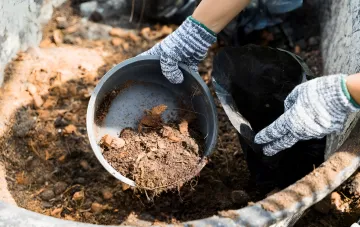
To prevent the problem from recurring, simple sanitary work in the garden is necessary in autumn. Inspect the tree regularly and remove all rotten and damaged fruit immediately — do not leave them on the branches until spring. In autumn, clear fallen leaves and fruit from under the tree, and do not leave affected apples or "mummies" on the branches. Prune in a timely manner, removing dry, diseased and excess branches, but do not overload the tree: it is better to shape the canopy gradually. The main thing is not to wait until the rot has spread to most of the harvest.