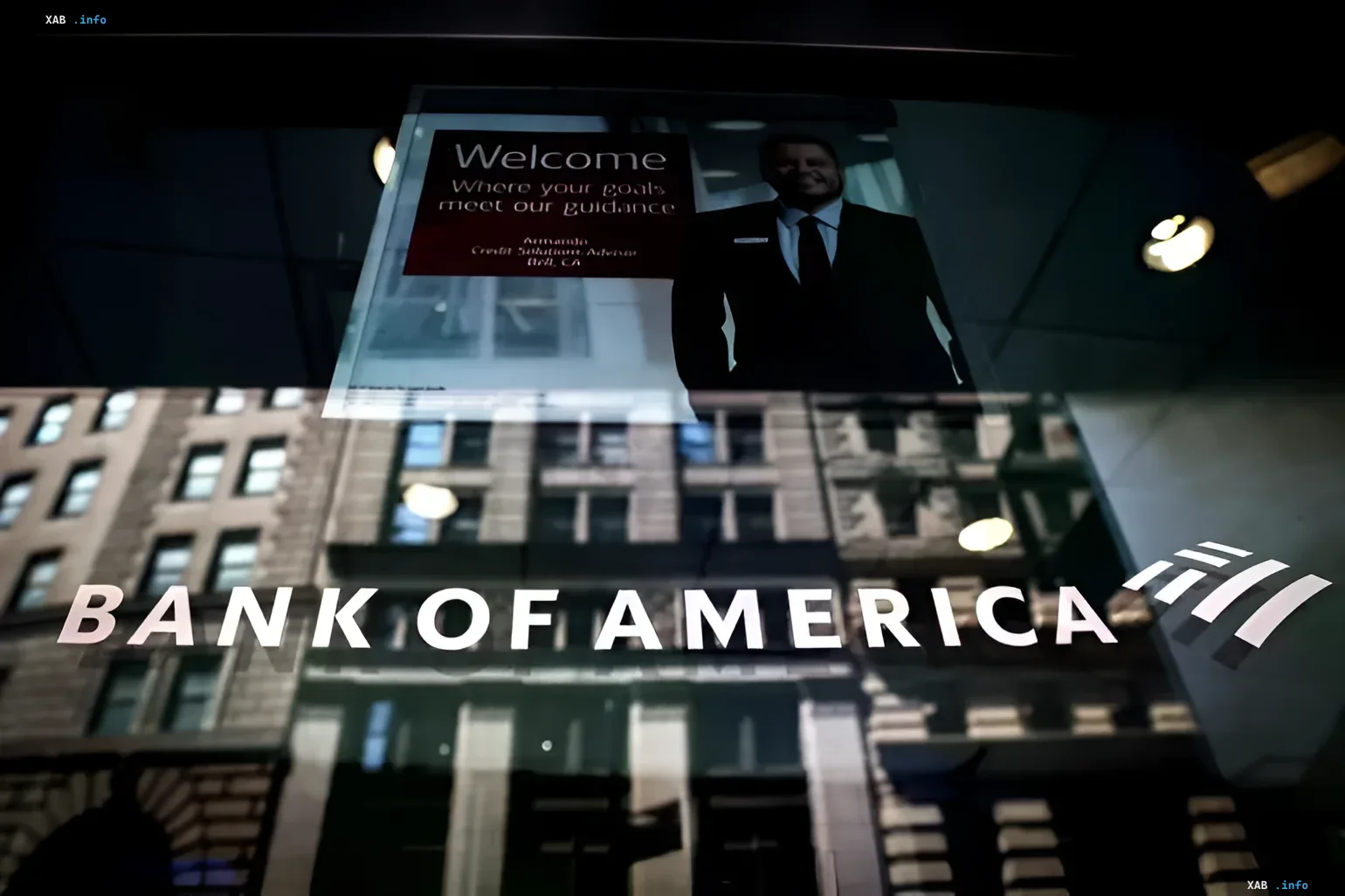
The U.S. Department of the Treasury has imposed historic fines totaling more than $1.21 billion on Bank of America. The nation's second-largest financial institution is accused of long-standing systematic violations of anti-money laundering laws, as well as flagrant non-compliance with Washington's active sanctions programs. Regulatory bodies emphasize the massive scale of the violations, which encompass billions of dollars in suspicious capital flows.
Bank of America Fined Over $1.2 Billion for Anti-Money Laundering Violations
Key Points
- Bank of America fined over $1.21 billion by U.S. authorities.
- Bank failed to report over $5 billion in suspicious transactions.
- OCC penalty is the largest in the agency's history.
- Bank shares fell more than 2% in after-hours trading following the announcement.
Verified Sources
-
What was verified: Официальные данные министерства финансов США и регуляторов FinCEN и OCC о штрафах Bank of America на сумму более 1,21 млрд долларов.
Frequently Asked Questions (FAQ)
What is the total amount of the fine imposed on Bank of America?
The total amount of fines and penalties exceeded $1.21 billion USD.
Which regulatory bodies penalized the bank?
Sanctions were imposed by FinCEN, the Office of the Comptroller of the Currency (OCC), and OFAC.