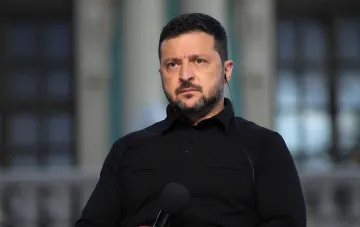
Ukraine is officially resuming military strikes against Russian oil refineries amid a mounting crisis in relations with Western partners. Ukrainian President Volodymyr Zelenskyy, in an interview with the Financial Times, explicitly stated that the previously existing tacit ban on attacks against Russian energy infrastructure has been lifted. According to the head of state, the decision was made because the Russian side continued massive shelling of Ukrainian cities, which resulted in the deaths of over a hundred civilians over the past week, despite Kyiv's attempts to maintain a diplomatic pause.
Background and reasons for resuming strikes
Kyiv refrained from targeting Russian energy facilities for three days in an attempt to fulfill Washington's wishes and ease tensions surrounding global fuel prices. However, this pause-like measure brought no diplomatic dividends: Moscow responded with new devastating raids on Ukrainian power grids. Moreover, against this backdrop, the Ukrainian military faced sudden restrictions from allies: Starlink terminal performance worsened across the country, and operational warnings about Russian ballistic missile launches disappeared, significantly complicating defense.
US pressure and Starlink disruptions
As follows from the statements of the Ukrainian leadership, American partners openly warned Kyiv about a potential freeze on intelligence sharing if strikes on Russian refineries continued. Subsequently, a sharp drop in speed and the limitation of Starlink terminals to a connection speed of 160 km/h were presented as technical glitches, but the Ukrainian president emphasized that this was a deliberate political will by Washington. Such actions by the White House were a reaction to the Donald Trump administration's concerns about rising global diesel prices, which the American side attributes specifically to Ukrainian drones.
Contradictory data
While official Kyiv insists that communication disruptions and the halt in intelligence sharing were direct instruments of political pressure by the US due to refinery attacks, western analysts and sources in Washington put forward alternative versions. Some American experts claim that technical issues with Starlink were accidental or caused by the updating of security protocols against Russian electronic warfare. Nevertheless, Zelenskyy himself noted his readiness to consider halting strikes on Russian refineries exclusively in exchange for a substantial strengthening of Ukrainian air defense, including the supply of additional missiles for Patriot systems as a minimum condition.
Consequences and prospects of the crisis in relations
Financial Times analysts describe the described diplomatic and military-technical crisis between Ukraine and the United States as the sharpest since the high-profile incident in the Oval Office in February 2025. The situation is aggravated by the US Treasury's decision to effectively open the market for certain Russian diesel supplies, which Kyiv deemed an unfair step. The resumption of refinery strikes threatens the fragile balance of diplomatic agreements and creates risks of further escalating relations with the Trump administration, which seeks to minimize factors affecting commodity markets.