Pink Revolution on the Plate: Why Barbie Pasta Took Over Social Media
Summer 2026 was marked by an unexpected culinary phenomenon — the explosive popularity of "Barbie Pasta." This dish, dyed a delicate pink thanks to natural beetroot, became a true viral hit on TikTok and Instagram. Its aesthetics — creamy texture, vibrant color, and minimalist presentation — fit perfectly into the visual code of modern social networks, where the beauty of a dish is often more important than its taste. However, as user reviews show, Barbie Pasta is not just an "Instagram" spectacle, but a truly tasty and hearty dish that is easy to make at home.
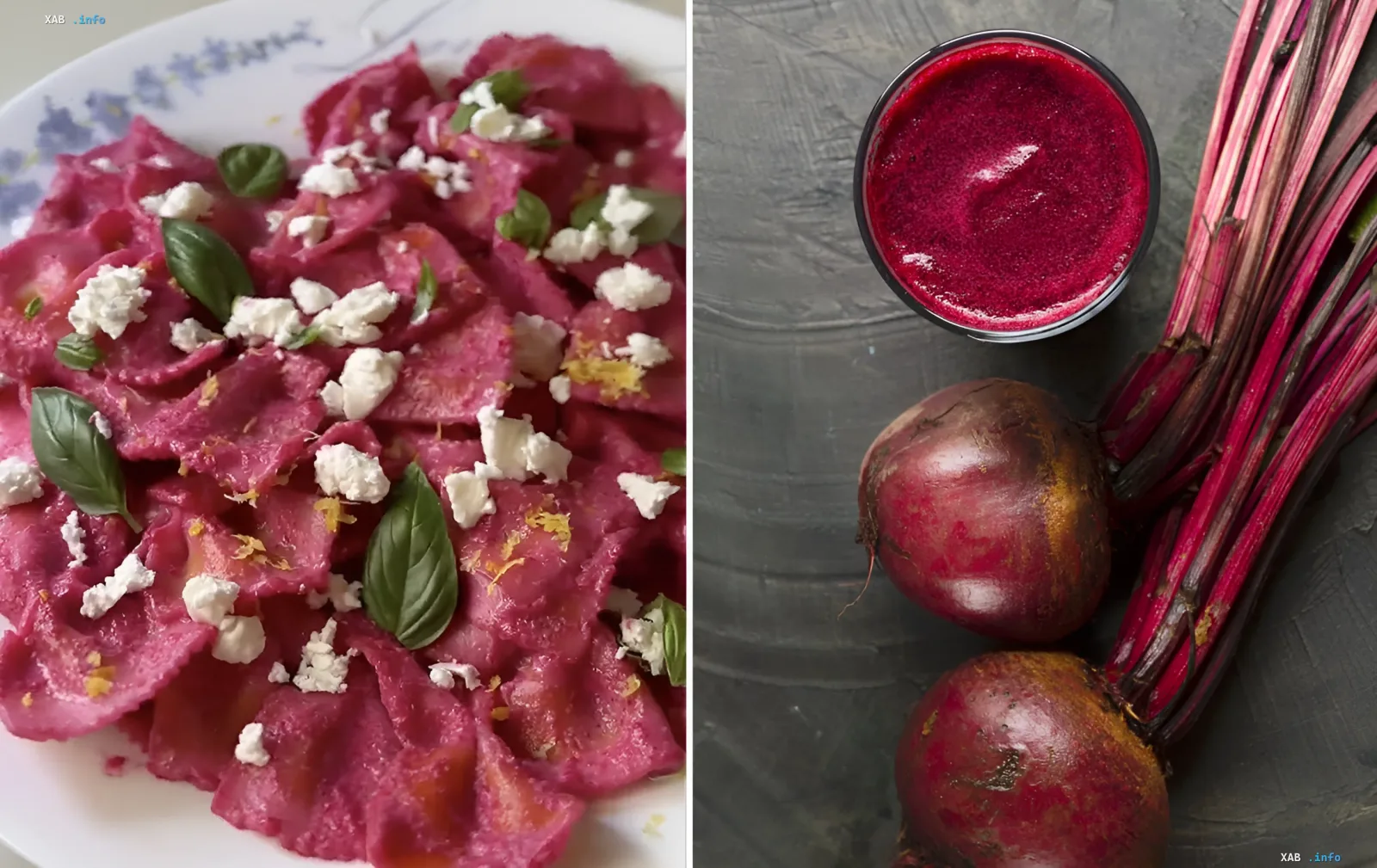
The main secret to the recipe's success lies in the combination of accessible ingredients and simplicity of preparation. The sauce base consists of baked or boiled beetroot, cashews, cream cheese, parmesan, and olive oil. All components are blended with pasta cooking water, creating an ideal silky texture without using cream or artificial thickeners. It is precisely this approach — naturalness, simplicity, and visual appeal — that makes Barbie Pasta a trend that is not just passing, but becoming established in the home kitchens of millions.
A Recipe You Can Replicate in 20 Minutes
Making Barbie Pasta does not require professional skills or rare ingredients. Simply boil the pasta to al dente, saving some of the water for the sauce. While the pasta cooks, put the beetroot, cashews, cream cheese, parmesan, garlic, salt, pepper, and olive oil into a blender. Adding hot pasta water is a key moment: it not only thins the sauce but also binds it to the pasta, making the texture more uniform and tender.
After mixing the pasta with the sauce, the dish is ready to serve. The finishing touches — crumbled feta, lemon zest, fresh basil, and black pepper — add a contrast of flavors and aromas. The salty feta balances the sweetness of the beetroot, the lemon zest adds freshness, and the basil adds aroma. The result is a dish that looks like it came from a restaurant menu but cooks faster than ordering pizza.
Why Now? The Trend for Naturalness and Aesthetics
The popularity of Barbie Pasta is no accident. In 2026, there is a steady trend towards returning to natural products, rejecting artificial dyes, and emphasizing the visual aesthetics of food. Beetroot, as the main ingredient, symbolizes this shift: it not only colors the dish but also adds nutrients — iron, fiber, and antioxidants. Cashews and parmesan provide richness, while the absence of cream makes the dish lighter and suitable for those watching their diet.
Furthermore, Barbie Pasta fits into the cultural context: the name refers to the cult Barbie doll, whose image experienced a renaissance in 2023–2024 thanks to the movie and fashion trends. The color pink became a symbol of femininity, strength, and self-expression — and now it has migrated to plates. This is not just food; it is a statement, a way of self-expression through cooking.
Contradictory Data
Despite mass approval, there are critical voices. Some users note that the taste of beetroot can be too dominant, especially if not balanced with acidity (lemon) or salt. Others complain that cashews are an expensive ingredient and suggest substitutes: almonds, pine nuts, or even Greek yogurt. However, the authors of the original recipe insist that it is precisely the cashews that provide the necessary creaminess, and a substitute may ruin the texture.
There is also disagreement regarding the use of parmesan. Some consider it superfluous, while others see it as an essential element for depth of flavor. At the same time, vegan versions of the recipe suggest replacing parmesan with nutritional yeast or tofu. These discussions show that Barbie Pasta is not a static recipe, but a platform for experimentation, which only enhances its popularity.
The Future of the Trend: From Social Media to Restaurants
Already, Barbie Pasta is appearing on the menus of cafes and restaurants around the world, especially in Europe and North America. Chefs are adapting the recipe by adding local ingredients: Italians add basil and mozzarella, Scandinavians add cream cheese and dill, and Asians add ginger and sesame. This confirms that the trend has gone beyond home cooking and has become part of global culinary culture.
In 2026, Barbie Pasta is not just a dish, but a cultural phenomenon. It combines aesthetics, health, simplicity, and self-expression. And as long as beetroot continues to dye pasta pink, and bloggers share their variations, we can say with confidence: this trend is not a temporary fashion, but a new standard for home cooking.