On August 7, 2026, when gardens across the country are at the peak of the season, gardeners are facing one of the most insidious threats to their harvest. Ants, these tiny workers, are often perceived as harmless soil inhabitants; however, under conditions of intensive farming, they can turn into a serious problem. Experts and experienced agronomists warn: ignoring an ant infestation is not an option, as they not only damage roots but also act as the main accomplices to other pests.
The Hidden Threat: Why Ants Are More Dangerous Than They Seem
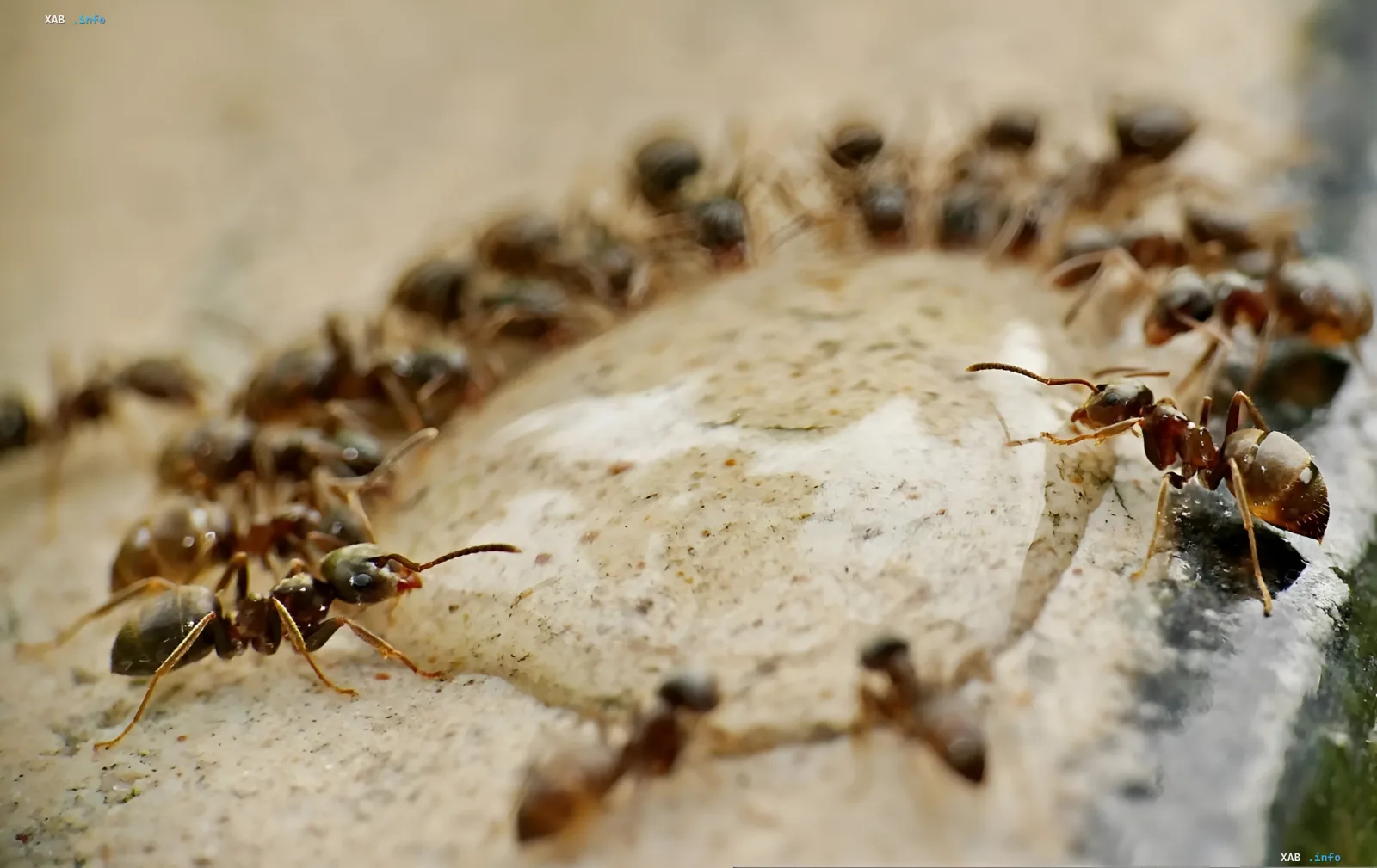
The main danger of ants lies not so much in their ability to loosen the soil (which, in itself, can disrupt the root systems of young plants) as in their symbiosis with aphids. Ants 'farm' aphids like livestock, protecting them from predators and moving them to new shoots for their sweet secretions — honeydew. This leads to the rapid spread of aphid colonies on vegetable crops, fruit trees, and shrubs. Furthermore, large anthills located near roots physically hinder plant development, and the insects themselves are capable of damaging strawberries, carrots, pumpkins, and decorative flowers.
Effective Folk Methods of Control
Fortunately, in 2026, gardeners have a wide arsenal of proven methods to fight ants without using aggressive insecticides. One of the most popular and safe remedies remains baking soda. A mixture of soda with other components, placed in small containers or caps along ant trails, effectively repels insects. However, for more serious control, boric acid is often used. This method is considered one of the most effective: a solution is prepared from boric acid, sugar, and water, and then placed in areas where insects congregate. It is important to remember that boric acid should be used with caution, especially if there are children or pets on the site.
Household Chemistry Against Pests: Potassium Permanganate and Ammonia
Another powerful tool in the battle for the harvest is a potassium permanganate solution. To prepare the remedy, you must first create a concentrated pink solution in one liter of water, and then dilute it in ten liters of water. The resulting liquid is used to water the anthills and places where insects congregate directly. Ammonia is no less effective. A solution of 10 ml of ammonia in 8–10 liters of water not only repels ants with its sharp smell but also serves as an additional source of nitrogen for plants, strengthening their immunity. However, agronomists warn: do not use ammonia too often so as not to disturb the soil balance.
Contradictory Data: Benefit or Harm?
There are disagreements in the professional community and among amateur gardeners regarding total war on ants. On the one hand, as noted by Styler, ants play an important role in nature, destroying certain pests and participating in natural soil aeration processes. On the other hand, in garden conditions, their activity often becomes destructive. Some sources indicate that the complete destruction of ants can disrupt the ecological balance of the site, while others insist on the need for radical measures to save the harvest. It is important to find a balance: do not destroy the colony completely, but only repel them from valuable crops, using, for example, vinegar (1 tablespoon per 1 liter of water), which ants cannot tolerate.
Comprehensive Approach to Site Protection
For long-term results, it is not enough to simply water the anthill. It is necessary to eliminate the reasons why insects settle on the site. This includes fighting aphids, eliminating sources of sweet food, and maintaining cleanliness on the beds. A comprehensive approach, combining folk remedies and agricultural techniques, will help reduce the number of ants for a long time and protect the future harvest without using dangerous chemical preparations. In the conditions of 2026, when the demand for organic products is growing, such methods are becoming not just an alternative, but a necessity for every gardener.