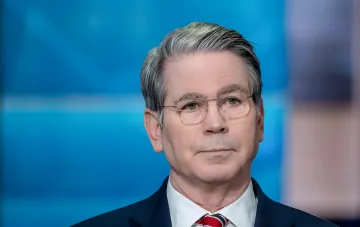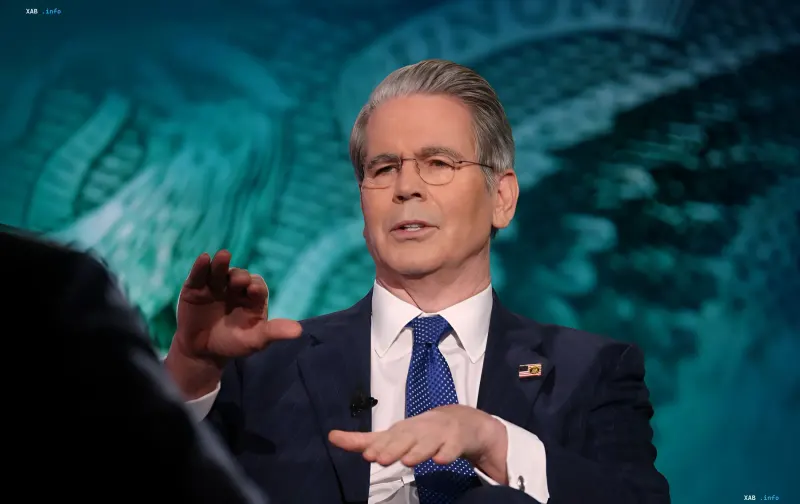
US Treasury Secretary Scott Bessent stated on Fox News that the country is experiencing an "energy shock," directly linking this phenomenon to Ukrainian strikes on Russian oil refining infrastructure. According to him, attacks on refineries are creating additional pressure on global energy prices. The statement came amid oil prices rising for the fourth consecutive day worldwide.
'Energy Shock' and the Role of Ukrainian Strikes
"We are currently experiencing an energy shock. Ukraine has decided that it wants to destroy Russian energy facilities. This is creating pressure on prices at a global level," Bessent said, as reported by Ukrainian and Russian media citing his remarks. Thus, the head of the US Treasury publicly attributed part of the current volatility in the energy market to Kyiv's actions, emphasizing that the destruction of refining capacity reduces supply and is reflected in global prices.
The Oil Market and the Iranian Factor
At the same time, oil prices worldwide have been rising for the fourth day in a row, and the analytical context links this increase to a new escalation between the US and Iran. The market fears supply disruptions through the Strait of Hormuz, through which significant volumes of global oil shipments pass. In other words, two parallel drivers are acting on the market simultaneously: strikes on Russian refining and geopolitical risks around Iran.
Trump's Position on the Strait of Hormuz
US President Donald Trump, in turn, stated that reaching an agreement with Iran is no longer a priority for him, since the current control over the Strait of Hormuz, in his words, suits Washington to a greater extent. This position increases uncertainty in the market: the absence of a deal with Tehran maintains the risk of disruptions in oil transit through one of the key chokepoints of global logistics.
Contradictory Data
The wording of different publications shows a difference in tone: some sources (in particular RBC-Ukraine) describe Bessent's words as "linking" Ukraine's strikes with the "energy shock," while others (gazeta.ru, oilcapital.ru, business-gazeta.ru) use the harsher word "accused" regarding the rise in energy prices. In essence, the fact is the same — a public statement by the minister — but the interpretation of his intent varies. Moreover, there is an inconsistency in the causal chain: Bessent points to Ukrainian strikes as a source of pressure on prices, while the market's rise in prices during the same period is also explained by the Iranian factor and risks in the Strait of Hormuz. Both versions coexist in the public sphere, and neither side provides a clear quantitative breakdown of each factor's contribution to the final price level.
Taken together, the statements by Bessent and Trump, delivered against the backdrop of a four-day rise in oil prices, paint a picture in which Washington publicly shifts part of the responsibility for the "energy shock" onto Kyiv's actions, while maintaining a hardline position on Iran. For the global market, this means the persistence of dual uncertainty — both regarding Russian refining and Iranian transit — which sustains elevated volatility in energy prices.