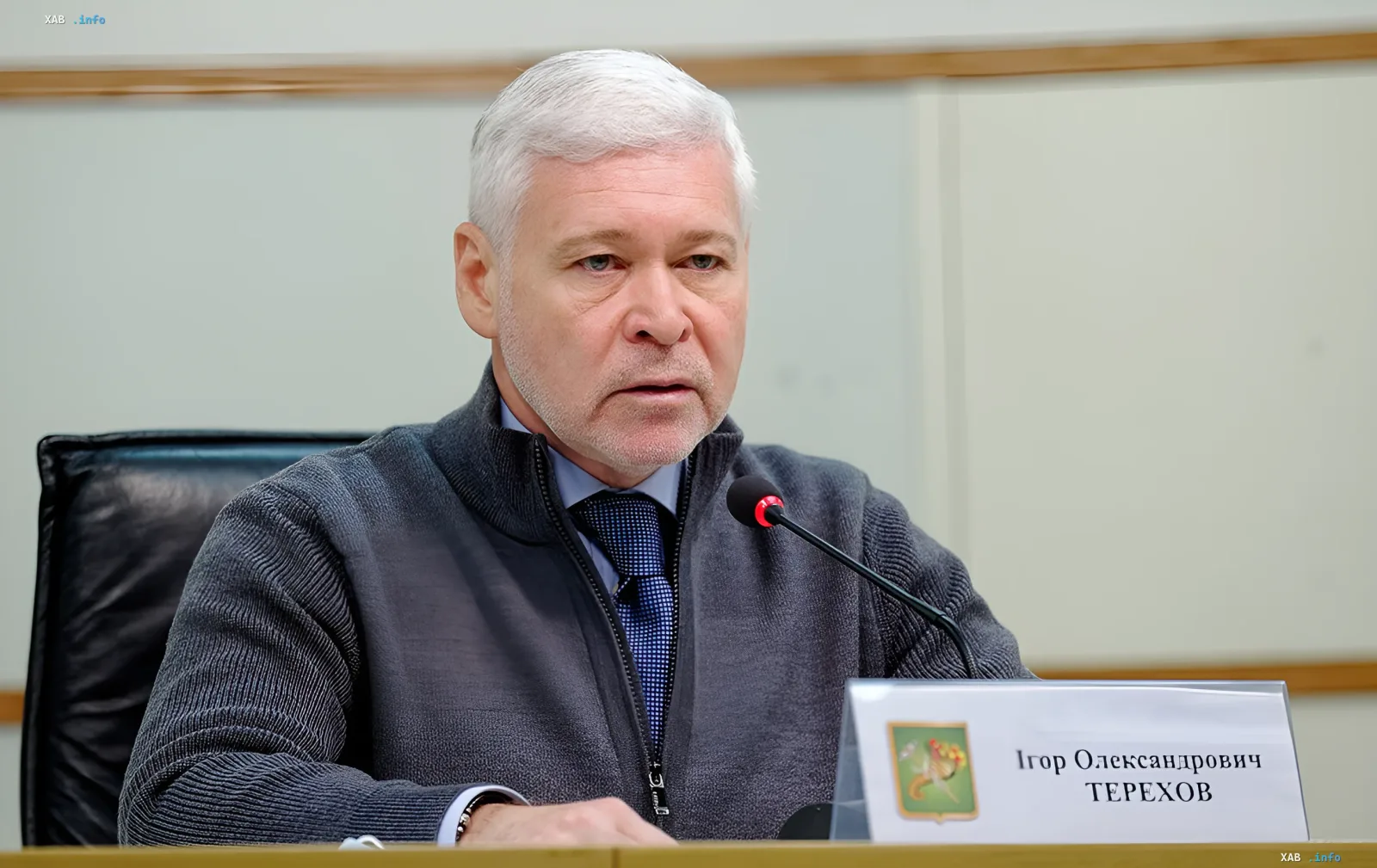
A new bill on the systematic support of internally displaced persons (IDPs) has been presented in Ukraine. The document, developed by the Association of Frontline Cities and Communities (AFFCC), proposes replacing the fragmented assistance system with a comprehensive state-run support pathway for displaced persons — from the moment of evacuation to securing housing, employment, education, and social services. This is reported by RBC-Ukraine, citing the association's website.
A comprehensive pathway instead of fragmented assistance
As emphasized by the head of the AFFCC and Kharkiv city mayor Ihor Terkhov, the state should not merely register IDP status and assign a separate payment, but "guide a person along the entire route from the moment of evacuation to a normal life, with housing, employment, education for children, and social and medical services." According to him, the bill is based on the real needs of people forced to leave their homes because of the war. At the time of the presentation, according to Terkhov, Kharkiv had sheltered 222,000 internally displaced persons, including more than 28,000 children.
New status and children's rights
One of the key proposals of the document is the introduction of the term "forcibly internally displaced person," which underscores that people left their homes not of their own will, but due to war, occupation, shelling, and threats to life. The bill also proposes recognizing as internally displaced children born after the family's displacement — current legislation effectively does not grant them such status. "There cannot be a situation where two children from the same family have a different scope of rights simply because one child was born before the evacuation and the other after the forced move," noted the mayor of Kharkiv.
Housing: from temporary accommodation to long-term solutions
The document proposes moving from temporary accommodation to long-term housing solutions: social and municipal housing, compensation for lost housing, preferential lending, and rental subsidies. The situation of people who formally own housing but cannot use it due to hostilities or occupation is regulated separately. They are offered the right to voluntarily relinquish such property or a share in it to the state in exchange for compensation and the receipt of certificates for purchasing housing in safe regions.
Payments and asset criteria
The bill provides for increasing assistance to IDPs to the level of basic social assistance — 4,500 UAH — and proposes that during the first six months after displacement, payments be provided regardless of family income. It also proposes revising the asset criteria: not to terminate payments due to the acquisition of an apartment without renovation, an unfinished house, or a land plot worth up to 2 million UAH, as well as through a deposit of up to 2 million UAH. When payments are terminated, the person must receive the reason for the decision and information on how to appeal no later than 10 days.
Employment and the "single window" principle
To integrate IDPs, the proposal is to create a logistics center coordinating issues of housing, social services, employment, retraining, education, and healthcare, as well as the "single window" principle, so that people do not submit the same documents to different institutions. For employment, private employment agencies are planned to be involved: for placing a person they will receive one minimum wage, and two more if the employee works at the employer for at least six months; enhanced coefficients are provided for shortage industries. Separate support is proposed for elderly people, persons with disabilities, and those in need of constant care, including financing of inpatient care on the principle of "money follows the person."
Next steps
At the end of the meeting, the participants agreed to establish a working group to refine the bill, after which the document is planned to be submitted to the relevant committee for consideration. As Terkhov noted, the goal of the system is not to make IDPs permanent recipients of assistance, but to help them regain independence as quickly as possible.