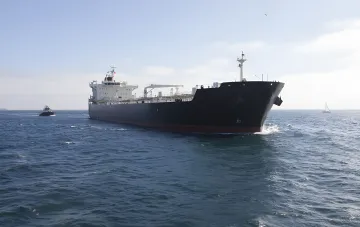
The Black Sea has turned into the most dangerous and deadliest shipping route in the world, surpassing the Persian Gulf in terms of incidents and sailor fatalities. According to maritime security company Ambrey and the International Maritime Organization, over 570 civilian vessels have been damaged in the region since the beginning of 2026, and the death toll among crew members has exceeded 40 people.
Escalation of Maritime Attacks and Third-Quarter Statistics
The intensity of strikes against merchant vessels in the Black Sea surged rapidly during the summer and autumn periods. In the third quarter alone, the number of attacks averaged more than four incidents per day amid mutual confrontation on maritime routes. Between July and September, 387 vessels came under fire, which is more than five times higher than in the previous quarter.
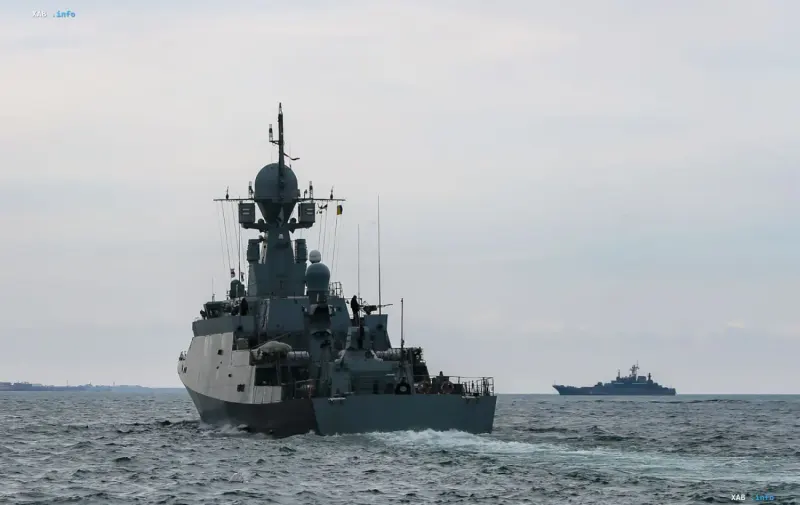
A significant portion of the incidents is linked to shelling of port infrastructure and the use of drones. According to expert estimates, about 90% of attacks in recent months originated from Russian forces operating within the ongoing conflict. The situation deteriorated sharply after the collapse of the grain deal in 2023 and subsequent Ukrainian strikes on military targets in Crimea and the Kerch Strait.
Economic Consequences and Insurance Risks
The growing threats have led to a colossal increase in logistics costs and changes in shipping structures. The cost of war risk insurance for vessels in the Black Sea has risen to 15% of the hull value, which is twice the rates in the Persian Gulf. Due to high risks, many operators are forced to use older vessels whose insurance is cheaper or to abandon voyages altogether.
Agricultural exports from Ukrainian ports have dropped to about 25% of pre-war levels, threatening global food security. Representatives of maritime trade unions note that navigation to Ukrainian ports is perceived by crews as an extreme threat to life. The President of Romania and other European leaders have repeatedly condemned strikes on civilian vessels that have caused loss of life near the Black Sea coast.
International Community Response and Security Prospects
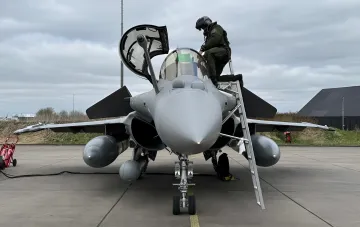
In response to the growing threat to navigation, the Joint War Committee expanded the highest war risk rating to almost the entire Black Sea area. International organizations and Black Sea countries are taking emergency measures to stabilize the situation. In particular, NATO plans to deploy additional maritime patrol aircraft, electronic warfare assets, and reconnaissance drones to the region.
The international community demands an end to attacks on civilian vessels and the guarantee of free navigation in the Black Sea basin. However, experts predict high risks will persist until long-term diplomatic solutions are found to resolve the conflict and reduce tension on maritime routes.