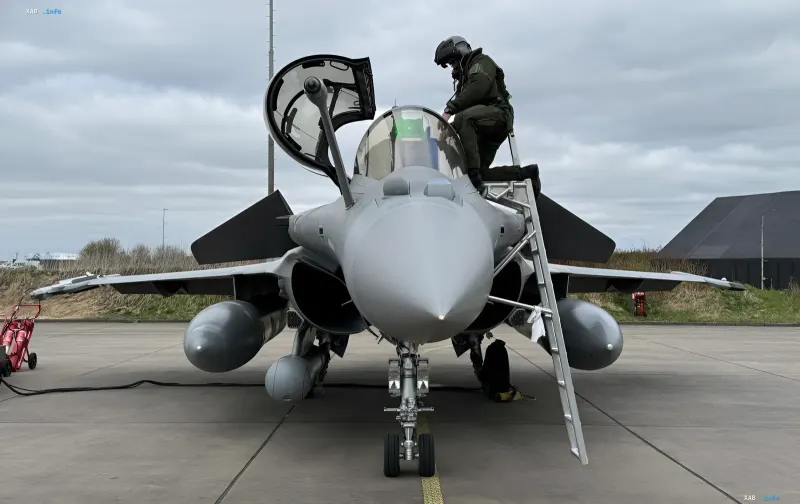
The North Atlantic Alliance has announced a significant boost to its presence in the Black Sea, deploying additional maritime patrol aircraft, electronic warfare (EW) systems, and uncrewed aerial vehicles to the region. The decision comes after the alliance's principal decision-making body, the North Atlantic Council, discussed Black Sea security at NATO headquarters in Brussels. According to Reuters, the announcement was made against the backdrop of a series of deadly attacks on commercial vessels in the region, which may be linked to Russia's war against Ukraine.
Reinforcements and Intelligence Teams
As stated by U.S. Army Colonel Martin O'Donnell, a NATO spokesperson, in addition to aircraft, drones, and EW systems, alliance members have deployed or are deploying intelligence personnel and specialist forensic explosive analysis teams to the region. NATO Chief Spokesperson Allison Hart noted on social media platform X that the alliance has already reinforced its posture along the eastern flank—including through counter-drone capabilities—and will remain 'united' to 'deter any threat and ensure the security' of the population.
A Series of Vessel Attacks
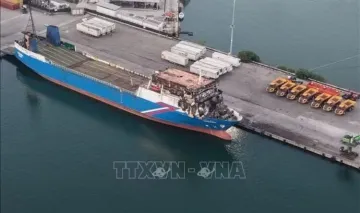
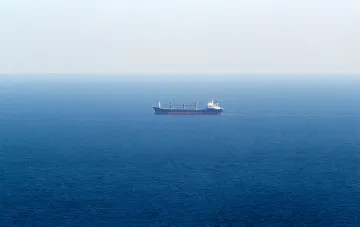
The reinforcements follow a string of incidents. Last week, seven sailors went missing after drones struck two chemical tankers near the Romanian coast of the Black Sea, causing them to catch fire. According to Reuters, at least five other cargo vessels have been attacked off the coasts of Romania and neighboring NATO ally Bulgaria over the past 10 days, with some sinking. At least 23 sailors are listed as missing or dead.
The Question of Responsibility
NATO has not attributed the recent string of attacks to any specific country. However, as Reuters notes, military analysts state that Russia has almost certainly carried out all these attacks, though Moscow has not acknowledged responsibility for the strikes on the specified vessels.
Regional Coordination
In mid-October, after two tankers caught fire in Romanian waters following drone attacks, Romanian President Nicușor Dan announced he had spoken with Bulgarian leader Iliana Iotova. According to him, the parties agreed on close cooperation for more effective counter-drone measures within the framework of the EU and NATO.
These events heighten concerns over the safety of a vital shipping route utilized by Ukraine and the broader Black Sea region. The deployment of additional surveillance assets, electronic warfare systems, and forensic teams by the alliance indicates an effort to simultaneously deter further incidents and establish the factual basis of the attacks that have occurred.