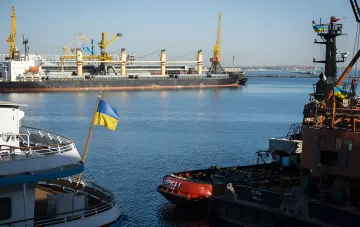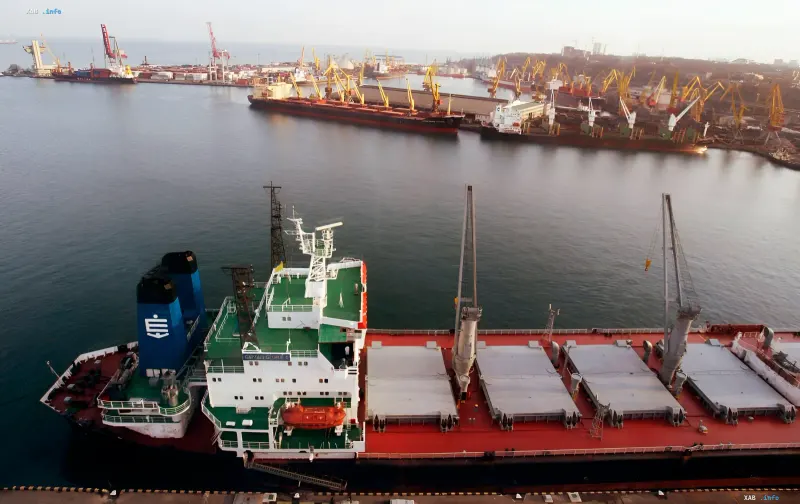
The situation in the Ukrainian sector of the Black Sea has reached a critical point. Attacks by Russian forces on vessels and port infrastructure have led to the de facto shutdown of the Greater Odessa ports. This event has not only disrupted logistics chains but has also paralyzed the operations of the country's largest industrial giants, putting Ukraine's export potential at risk.
Ukrainian businesses, facing the inability to ship their products, are demanding the immediate restoration of a safe maritime corridor. Experts and company representatives warn: every day of downtime deepens the economic crisis, threatening mass layoffs and colossal losses for the budget.
Industrial Collapse: Production Halts
The impact of the blockade has already been felt in the operations of key mining enterprises. The Southern Mining and Beneficiation Combine (SMBC) was forced to begin the process of suspending production. The reason lies in the inability to safely ship ore through the Black Sea ports.
A similar decision was made by the Poltava Mining and Beneficiation Combine (PMBK) — the main asset of the international company Ferrexpo. The enterprise announced a complete suspension of operations from August 3. The company's management explains this with two factors:
- Inability to ship products through blocked ports.
- Acute shortage of working capital, exacerbated by increased tariffs by Ukrzaliznytsia for railway transport.
Metinvest confirmed that the blockade of shipping exerts double pressure on the metallurgical industry: it blocks the export of finished products and paralyzes the import of critically important raw materials. In particular, metallurgical plants need a monthly import of 230–250 thousand tons of coking coal. There are no alternative sources of this raw material in Ukraine, especially after the shutdown of the Pokrovsk Coal Group.
Economic Losses and Risks
The closure of ports threatens the loss of tens of billions in foreign currency revenue and hundreds of billions of hryvnias in tax revenues. According to Metinvest estimates, production at the United Mining and Beneficiation Combine in August may decrease by approximately 30% compared to the average level. The volume of railway transport of products from mining and beneficiation combines risks falling by 1.3 million tons per month.
The most significant blow to foreign trade ties will be felt in the following areas:
- Supplies of iron ore raw materials to China and Turkey.
- Export of pig iron to the USA.
- Supplies of billets and rolled products to countries in Southern Europe and the Middle East.
Furthermore, experts note an increase in risks for the stability of the exchange rate and employment in industrial regions.
Lack of Alternatives
Representatives of Ukrainian business emphasize that there is currently no full replacement for the Greater Odessa ports. Danube ports, as well as routes through Romania and Poland, are physically incapable of ensuring the necessary volumes of transshipment.
Moreover, the cost of logistics along these alternative routes is so high that it makes a significant part of exports economically unviable. Under these conditions, the restoration of shipping in the Black Sea becomes not just a logistics issue, but a top priority for the state to save the economy.