In August 2026, the Ukrainian agricultural sector faced an unprecedented crisis. Massive Russian attacks on Black Sea port infrastructure virtually paralyzed grain exports, leading to a sharp drop in domestic prices and creating a threat to the financial stability of farmers. According to the Ukrainian Port Administration, grain exports fell by 75% in the first two weeks of August compared to the same period last year.
Scale of attacks and their consequences
According to official data, in July and early August 2026, Russia carried out more than 70 attacks on Ukraine's port infrastructure and struck 62 ships attempting to reach the sea. These actions led to the temporary suspension of operations at key ports, including Odesa, Chornomorsk, and Yuzhny. As a result, grain intended for export remained within the country, creating colossal pressure on storage capacity and the market.
Economic consequences for farmers
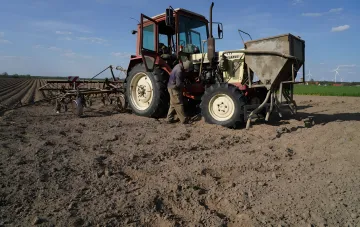
The accumulation of grain within Ukraine caused a collapse in domestic prices. Analysts estimate that at current prices, farmers can only make a profit from wheat exports. For other grain crops — corn, barley, and sunflower — revenues do not even cover production costs. This creates a serious risk for the subsequent sowing campaign, as farmers lose funds for purchasing fuel, paying salaries, and preparing for winter crop sowing.
Storage deficit and harvest forecasts
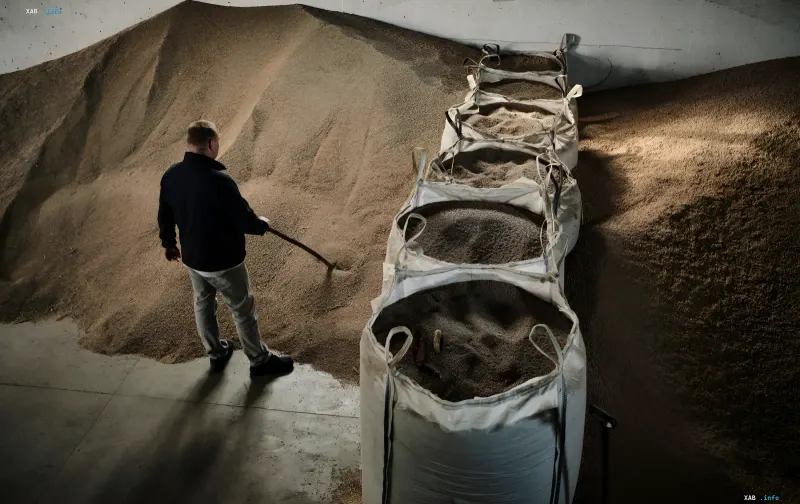
Ukraine expects a grain harvest of around 60 million tons in 2026. However, the deficit in grain storage capacity could reach up to 11 million tons. This means that a significant portion of the harvest may remain without proper storage, leading to spoilage and additional losses. The situation is exacerbated by the fact that many farmers can no longer afford to rent or build new storage facilities due to falling incomes.
Financial losses and impact on the economy
According to the National Bank of Ukraine, due to the blockade of the sea corridor, the country could lose about $2.5 billion in foreign exchange revenue by the end of the year. The All-Ukrainian Agrarian Council estimates farmers' losses from increased logistics costs and falling prices at approximately $3 billion. These losses could lead to a reduction in investment in agriculture, decreased productivity, and long-term negative consequences for the country's food security.
Contradictory data
There are discrepancies in the estimates of the scale of losses between official sources and independent analysts. The NBU cites a figure of $2.5 billion, while the All-Ukrainian Agrarian Council points to $3 billion in farmers' losses. There are also discrepancies in harvest volume forecasts: some experts believe the actual volume could be lower than 60 million tons due to weather conditions and lack of resources. These contradictions require further analysis and data refinement.
Search for alternative export routes
Against the backdrop of the sea corridor blockade, Ukraine is actively seeking ways to resume exports. Options for using railway and road routes through Poland, Romania, and Slovakia are being considered, although their capacity is limited. The possibility of creating new logistics chains through the Baltic and Mediterranean Seas is also being discussed, but these projects require significant investment and time for implementation.