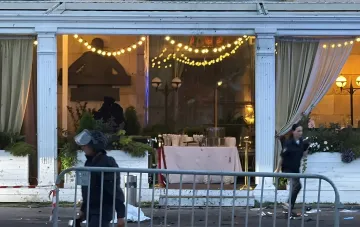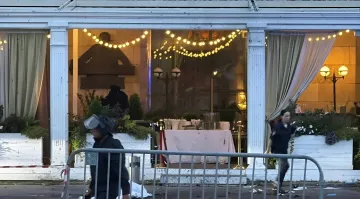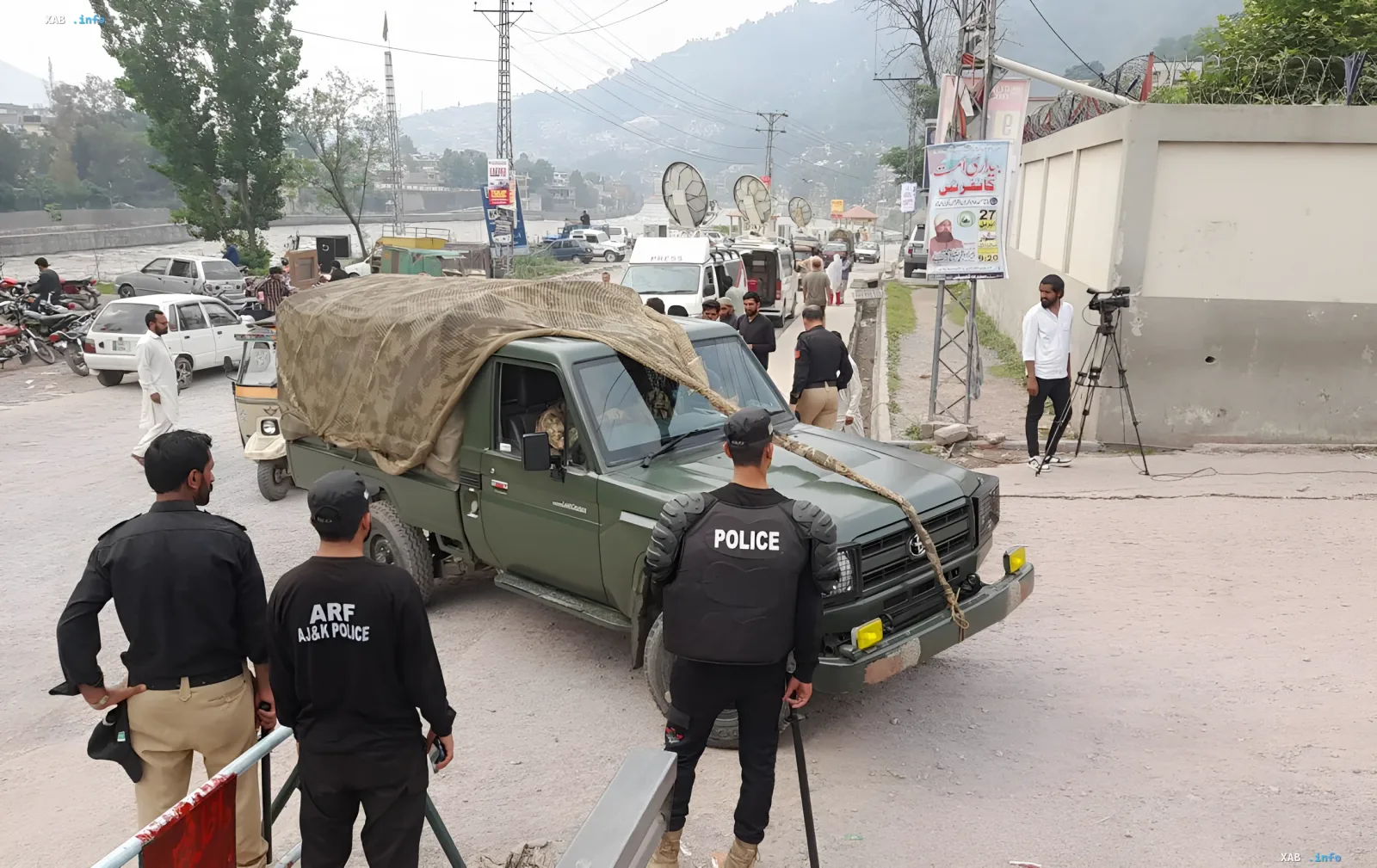
On Sunday, a tragedy struck the Pakistani province of Khyber Pakhtunkhwa, once again highlighting the fragility of security in the region. In the city of Kabal, located in the Swat Valley, a suicide bomber attacked a peaceful procession. According to the latest reports, at least 14 people were killed, including both civilians and law enforcement officers. More than 20 others were injured with varying degrees of severity.
Rally against militants turns into a trap
The events unfolded near the local police station, where residents of the city had gathered. Demonstrants chanted slogans against Islamist militants and demanded that the authorities ensure peace and security. According to eyewitnesses, shortly before the explosion, participants of the rally accused the government of indecision, stating that the fight against terrorism is a direct obligation of the state.
District Police Chief Omar Khan confirmed that among the dead were at least nine civilians and five police officers. The attack, carried out at a moment when people were openly speaking out against violence, came as a shock to the local community.
Government reaction and political context
The terrorist act provoked an immediate reaction at the highest level. Pakistani President Asif Ali Zardari and Prime Minister Shehbaz Sharif condemned the attack, expressing deep sorrow. In their statements, the country's leaders conveyed condolences to the families of the victims and ordered that the injured receive the best possible medical treatment. They also made it clear that the fight against terrorism will not cease until the threat is completely eradicated.
Interior Minister Mohsin Naqvi also spoke out against the attack, supporting the country's leadership's position.
The return of the Taliban to the Swat Valley
The Swat Valley has a sad history: it was once a stronghold of Islamist militants who introduced a strict version of Sharia there. It was only after a large-scale military operation by the Pakistani army in 2007 that the government managed to regain control of the region. However, in recent months, the situation has intensified again: militants have begun to appear in the valley, raising fears of the return of the Pakistani Taliban.
Although no group has yet claimed responsibility for the explosion, experts lean towards the Tehrik-i-Taliban Pakistan (TTP) being behind the attack. This organization, formally separate from the Afghan Taliban but an ally of theirs, is actively operating in the region. Many TTP leaders found refuge in Afghanistan after the Taliban came to power there in 2021.
Rise in violence and tension on the borders
In recent years, Pakistan has experienced a surge in terrorist activity, primarily directed against security forces. A representative of the Pakistani army, Ahmad Sharif Chaudhry, reported that since January of this year, 3,145 terrorist incidents have been recorded in the country. During operations, 2,084 militants were killed, but the price of victory is high: 819 Pakistanis, including military personnel, police, and civilians, have died.
Particular concern is caused by the link with neighboring Afghanistan. According to Chaudhry, militants from Afghanistan have carried out 28 suicide attacks in Pakistan since the beginning of the year. Islamabad accuses the Afghan Taliban government of harboring TTP militants, although Kabul denies these accusations.
The shadow of war with India
Terrorist attacks in Pakistan often have far-reaching geopolitical consequences. In May of this year, an explosion at a train station that claimed 24 lives was the bloodiest in recent years and led to a sharp deterioration in relations with India. New Delhi then threatened to cancel the ceasefire, and the first clashes erupted on the border.
The situation escalated into a state of military readiness: India gave the command "full freedom" of action, while Pakistan warned of Delhi's preparation for "military aggression." Intelligence data presented by Islamabad made the world fear that the region was on the brink of a full-scale war.