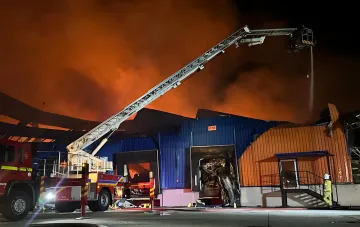
On the night of August 5, 2026, the Kyiv region once again became the target of a massive attack by Russian occupiers. This time, the strike hit critical logistics hubs that supply the country with consumer goods. As a result of the missile shelling, warehouses of finished products belonging to international tobacco giants — Japan Tobacco International (JTI) and Imperial Brands Ukraine — were destroyed. The incident occurred amidst an ongoing war, where infrastructure objects have become priority targets for destabilizing the economy.
Damage to tobacco giants and supply prospects
Representatives of JTI confirmed the destruction of a finished product warehouse in the Kyiv region. In the company's statement, the emphasis was placed on personnel safety: "There are no casualties among the company's employees; the safety and well-being of our employees remains the top priority." Despite the large-scale destruction of material assets, JTI assured the market that it does not expect disruptions in the supply of its products to retail outlets. This indicates that the company has duplicate logistics chains or sufficient stocks at other facilities capable of compensating for losses in the short term.
Financial losses and the history of strikes on Imperial Brands
The situation at Imperial Brands Ukraine appears more complex. The enterprise reported damage to property and the destruction of goods at the warehouses of distributors and retail partners. The company's director, Yevhen Kobets, estimated the damage from the latest strikes at tens of millions of hryvnias. Notably, Kobets noted: "The company suffered the greatest damage in 2023 during a direct strike." This points to a systemic nature of attacks on the logistics of the tobacco industry, which has been under pressure for several years. Currently, the company is recording short-term disruptions in product supplies in certain locations in the capital.
Large-scale attack on infrastructure: from books to auto chemicals
The attack on the night of August 5 was not limited to tobacco warehouses. Russian missiles struck a wide range of commercial objects, indicating an attempt to paralyze the economic life of the region. The central warehouse of LIQUI MOLY Ukraine was hit, which, despite serious damage, has already begun work to resume supplies. Objects of major retailers Epicentr and ROZETKA, as well as the logistics hub of Nova Poshta, were also damaged. It is worth noting the humanitarian aspect of the losses: the second warehouse of the BookChef publishing house was destroyed, resulting in the loss of more than 100,000 books, which is a significant blow to the cultural space.
Contradictory data
There is some uncertainty regarding the exact localization of the destruction. In the reports of Imperial Brands Ukraine, it is stated that goods were damaged at the warehouses of distributors and retail partners, but it is currently unknown whether this refers to the same logistics facilities where JTI products burned down. RBC-Ukraine notes that companies may use common logistics hubs or be located in the same industrial park, but there is currently no official confirmation that it was the same address. This makes it difficult to accurately assess the total damage at a specific geographical point.