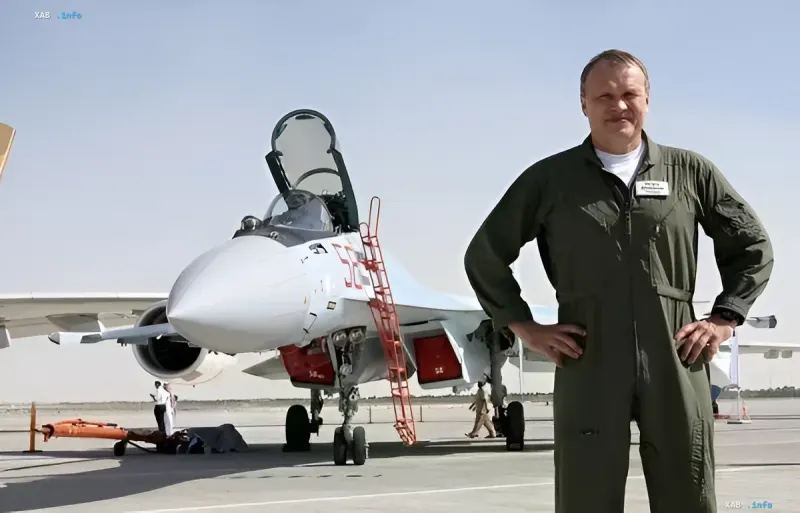
The debate over whether unmanned aerial vehicles and sixth-generation fighters can fully displace manned aviation has been raging for several years now. Against the backdrop of rapid technological development and the emergence on the market of increasingly sophisticated strike and combat UAVs, some experts predict the imminent "disappearance" of the pilot's role. However, Sergey Bogdan, the chief test pilot of the Sukhoi Design Bureau, categorically disagrees with such a scenario. In his words, the introduction of new technologies will happen gradually, and the future of combat aviation is built on the cooperation between human and machine, not on replacing one with the other.
"Helpers, Not a Replacement"
In response to a direct question about the risk to pilots associated with the mass proliferation of unmanned systems, Bogdan answered in the negative. "First of all, I believe that the replacement will not happen unnoticed or overnight. Helpers will appear, and the pilot will still be in demand. I am absolutely certain of this," stated the experienced test pilot. In his conviction, even with the fastest development of UAVs, the role of the human in the fighter's cockpit will be preserved: key tactical and strategic decisions will remain with people, while routine and the most dangerous tasks will be delegated to machines.
UAVs as a Tool for Reducing Risks
Bogdan emphasized that modern unmanned systems are already capable of performing many tasks automatically, making them suitable for use in conditions of high threat to human life. As an example, he cited weapons carriage and the execution of strike missions, which can be entrusted to unmanned vehicles. This, in his words, will allow saving human resources, minimizing losses, and making the most effective use of modern technologies. Thus, UAVs are viewed not as a competitor to the pilot, but as his "loyal partner," expanding the capabilities of the crew.
Impulse from Dubai Airshow 2025 and the Su-75 Checkmate
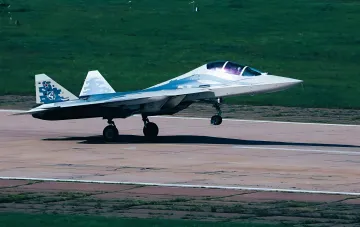
Interest in the topic of unmanned combat aviation rose sharply after the Dubai Airshow 2025, where the unmanned version of the Su-75 Checkmate light fighter was premiered. The presentation gave a new impetus to the discussion about the future of manned aviation and prompted experts to accelerate their forecasts on the timing of autonomous system deployment. However, after the showcase, virtually no detailed information on the progress of flight testing of this variant has been released, leaving the further progress of the project in a zone of uncertainty. Nevertheless, the very fact of developing such systems demonstrates the strategic direction of combat aviation development over the coming decades.
Contradictory Data
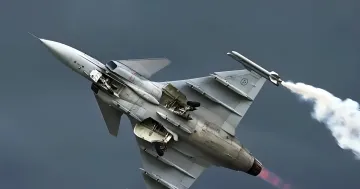
On the one hand, Bogdan's position — the gradual introduction of UAVs while preserving the pilot's role — is supported by a number of experts who consider such a model the most realistic. On the other hand, the scale of investment in autonomous systems points to more aggressive timelines. According to Ukrainian and European media, a sixth-generation fighter could appear as early as 2035: three countries have already allocated significant funds for its development, and Italy called the project's cost an "astronomical sum." This creates a contradiction: on the one hand, test pilots speak of keeping the human in the control loop, while on the other, industrial cycles and budgetary constraints push toward accelerated automation. Moreover, there is no single definition of "sixth generation" in open sources: some publications associate it precisely with fully unmanned platforms, whereas at the Sukhoi Design Bureau the Su-75 Checkmate is positioned as a fifth-generation light fighter with the prospect of creating an autonomous variant. The difference in terminology and in timeline estimates makes forecasts about the "disappearance of the pilot" highly conditional.
What This Means for the Industry
In the end, despite the technological leap, the consensus among practitioners — test pilots and designers — remains the same: the full replacement of the human in combat aviation in the foreseeable future is unlikely. New technologies will expand the capabilities of crews, increase survivability and operational effectiveness, but highly qualified specialists will remain in demand. The final answer to the question of the future of manned aviation will probably not be given until the unmanned versions of such machines as the Su-75 have completed the full cycle of testing and entered combat use — and that, it seems, will take many more years.