In the Bogodukhiv hromada of the Luhansk region, Russian forces launched another strike against civilian infrastructure. A key local economic asset—the Bogodukhov Dairy Plant—was targeted by drones. As a result of the attack on July 29, the facility sustained critical damage, forcing management to halt production indefinitely.
Damage to Production Facilities
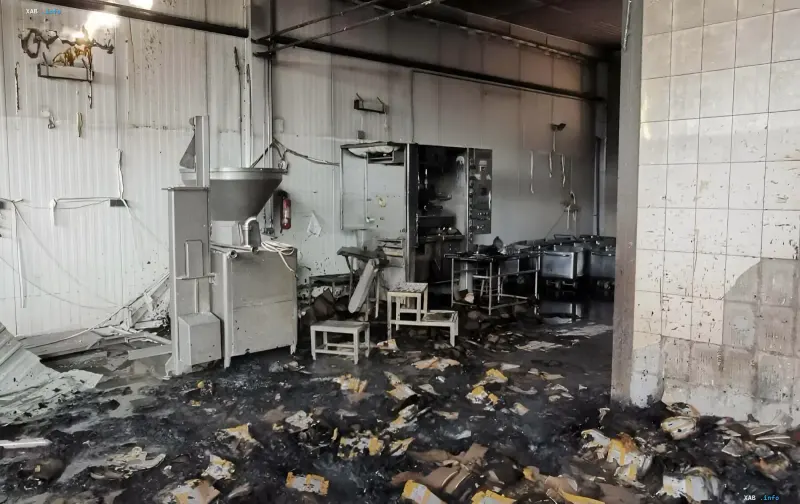
According to information from the plant's management, the strikes hit the production workshop directly. The blast wave and shrapnel destroyed part of the workshop, while a significant portion of the technological equipment suffered serious damage. Photos of the aftermath demonstrate the scale of the disaster: machinery is overturned in the workshop, debris is scattered everywhere, and the floor is covered in a layer of ash and rubble.
The enterprise director, Dmytro Murashkin, confirmed that the damage is critical for the plant's operation. "This is not the first attack on the enterprise: the occupiers are systematically trying to stop or paralyze its work," he noted. Although there were no casualties this time, resuming operations in the previous mode is currently impossible.
Systematic Sabotage Against the Food Industry
The attack on the Bogodukhov Dairy Plant fits into the broader picture of pressure on the Ukrainian economy. Russian forces continue to deliberately destroy food industry facilities, aiming to deprive the population of food supplies and undermine the economic stability of the regions.
The suspension of production at the dairy plant is just one example of how military actions affect business. Amidst constant threats and shelling, other companies are also forced to make tough decisions. For instance, the Metro shopping center in Zaporizhzhia announced a temporary suspension of operations starting August 1, citing regular forced interruptions due to shelling.
Similar issues have arisen in the logistics sector. On July 28, the company Ferrexpo suspended sea shipments of pellets due to Russian attacks on the ports of Greater Odesa. These events indicate that the war is striking not only military infrastructure but also the entire value chain in the country.