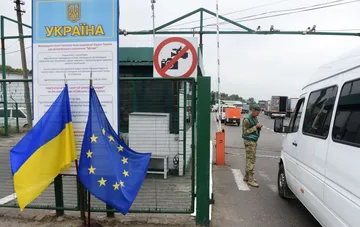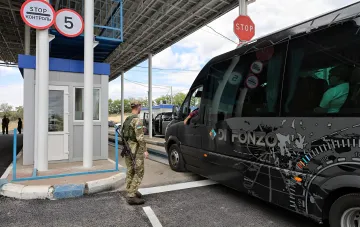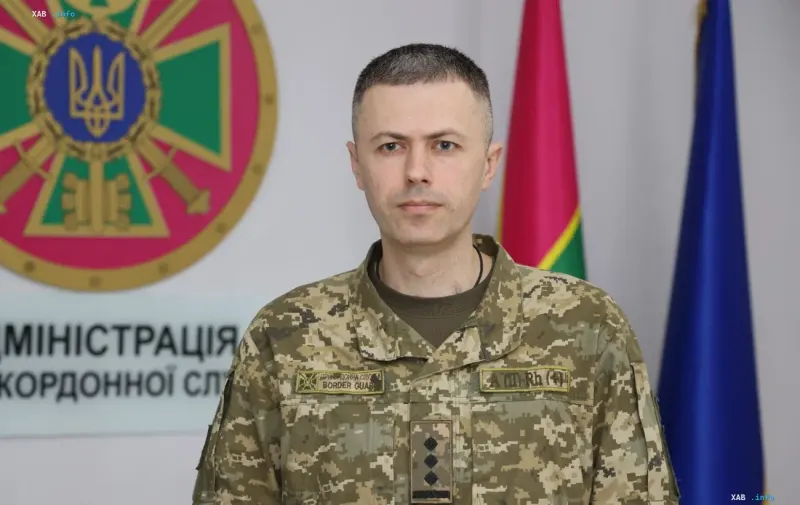
As of October 22, 2026, most border crossing points on the Ukrainian border have no queues of passenger cars, while freight transport at certain directions waits for several days. This was stated by Andrii Demchenko, the spokesperson for the State Border Guard Service of Ukraine, during an official commentary. Online publications about multi-kilometer traffic jams and a massive collapse do not reflect the actual situation and concern the specifics of freight transport operations, as well as periodic suspensions due to air raids.
Situation with Passenger Cars and Buses
According to SBGSU representatives, videos and photos of queues circulating on the internet often reflect isolated peak hours or were taken long before publication. On most routes, the situation is fully stabilized, and border crossing points operate at maximum capacity. Small accumulations of transport consisting of 20–30 passenger cars are recorded only at specific crossing points, such as Ustylug, Krakovets, and Rava-Ruska, while other routes have no queues.
For buses and trucks leaving Ukraine, the digital "eCherha" system operates, allowing drivers to plan their arrival time at the border without the need for physical waiting on the road. The only exceptions are certain directions, such as the Krakovets crossing point, where slots for buses have not been implemented, leading to local physical queues of about 12 buses under mandatory electronic registration.
Freight Transport Operation and Security Impact
Information about thousands of trucks waiting to cross the border for a long time applies exclusively to freight transport in specific areas, particularly at the Yahodyn crossing point. This data is open and regulated by the "eCherha" system, which was created to streamline traffic flows. The agency emphasizes that the volume of registered transport does not significantly exceed previous periods, making the use of the term "collapse" unfounded.
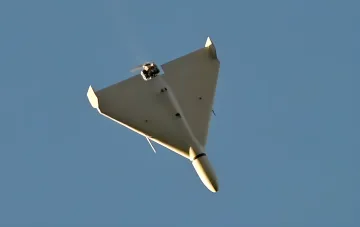
An additional factor affecting the speed of clearance operations remains regular air raids in the western regions of Ukraine. During sirens, border guards suspend the clearance of citizens and transport for safety reasons, dispersing people outside the crossing points. After operations resume, the system automatically adjusts the drivers' arrival schedule.
Prospects and Cooperation with Neighboring Countries
Amid modern security challenges, Ukraine continues consultations with neighboring states, including Poland and Moldova, regarding the introduction of joint border control. The Ministry of Communities and Territories Development of Ukraine is working on options to organize clearance operations on the territory of one of the countries to optimize logistics and speed up border crossings. Implementing such initiatives will increase throughput capacity and minimize delays caused by external factors.