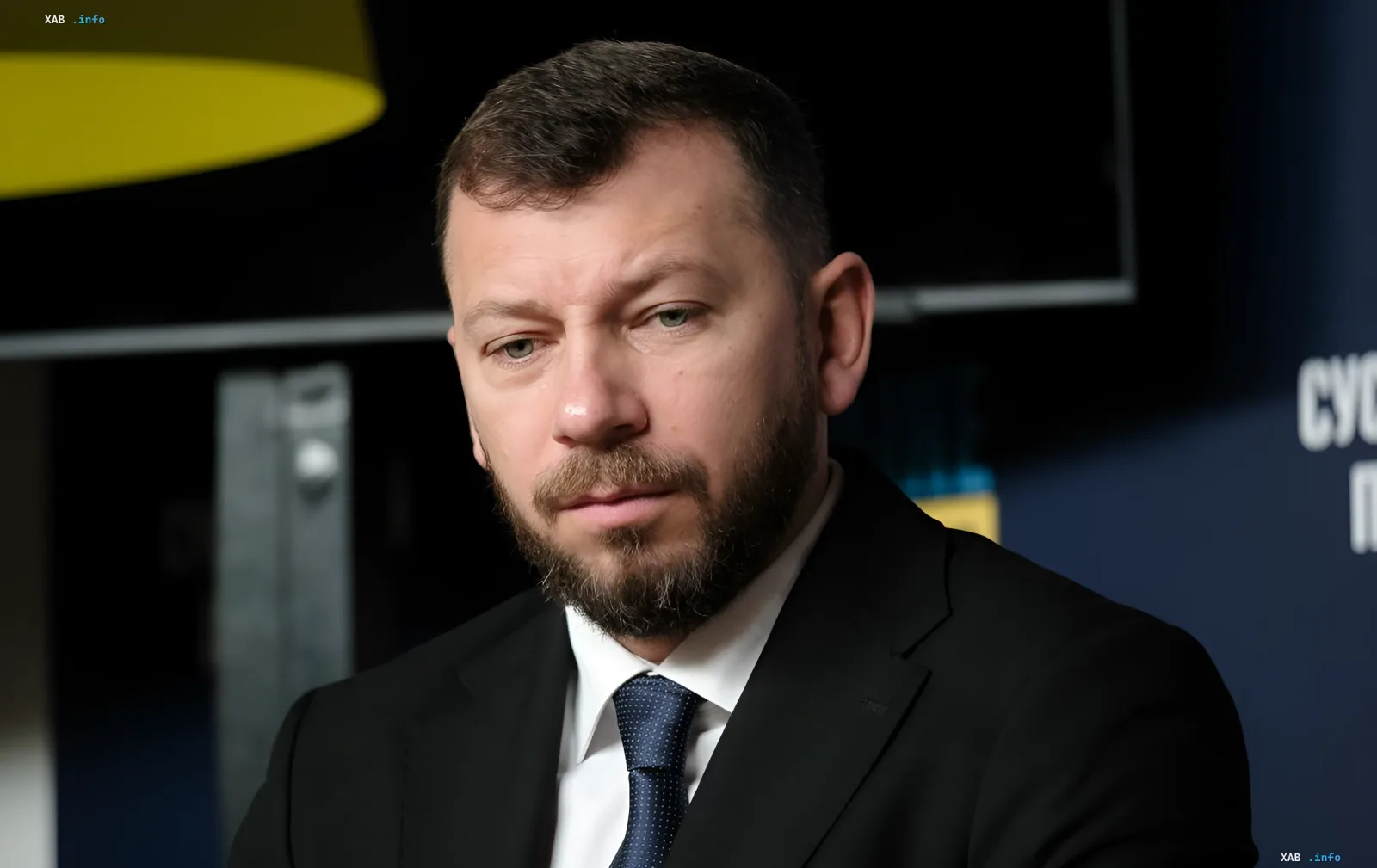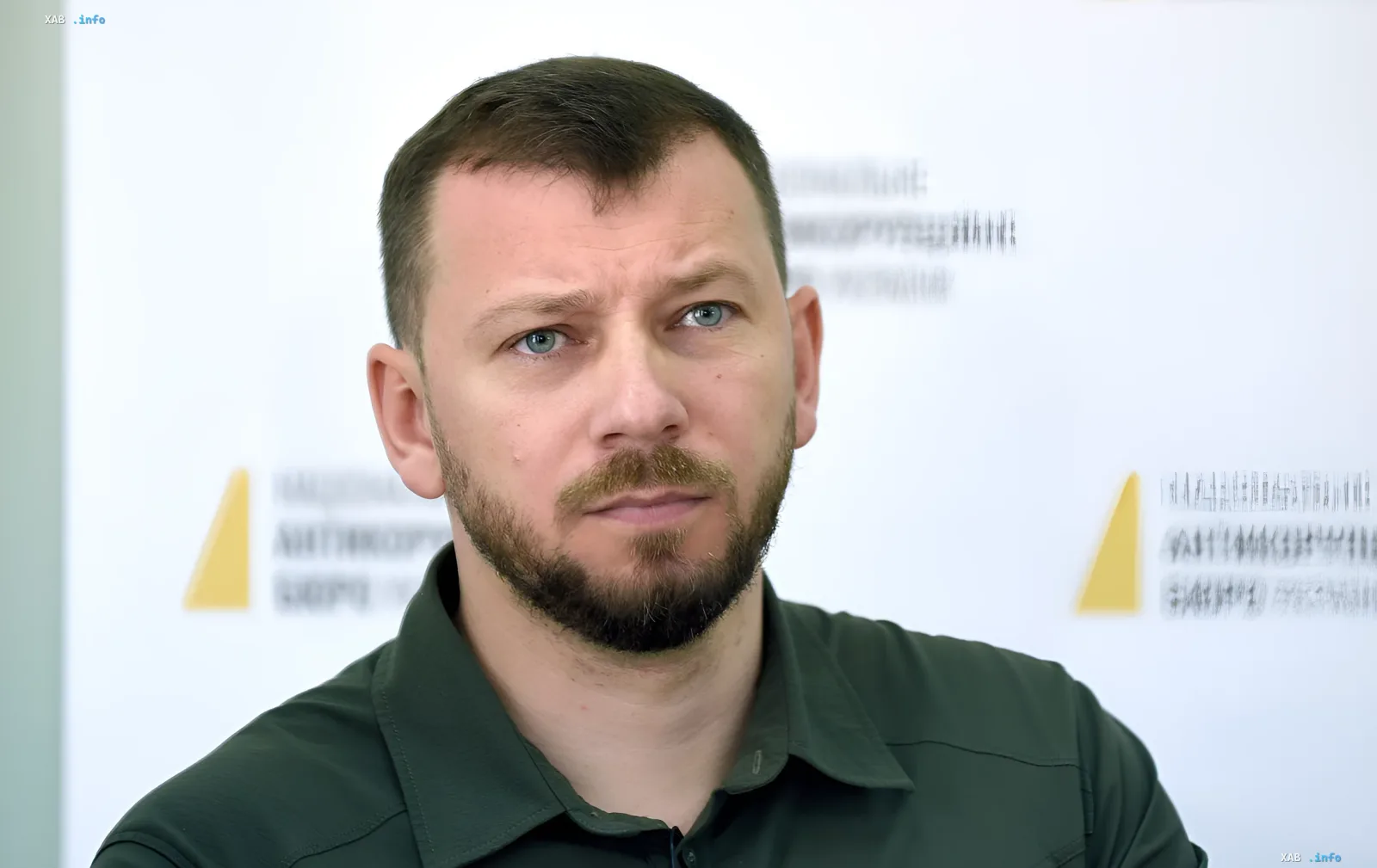
A new legal battle is unfolding in Kyiv that could set a precedent for the Ukrainian media landscape. Dmytro Borzykh, former Deputy Chief Military Prosecutor, has filed a lawsuit against the publication ZN.UA and its editor, Inna Vedernikova. The cause of the legal proceedings is a journalistic investigation titled "The Case of the Lawyer-Hackers," in which the plaintiff was named as a suspect.
The Core of the Claims: From 800,000 UAH to the Right to Reputation
The plaintiff demands the retraction of information published by ZN.UA regarding an NABU (National Anti-Corruption Bureau) investigation. Borzykh contests the very fact of publishing his name as a suspect before a verdict becomes legally binding. Furthermore, he is seeking nearly 800,000 UAH in court costs from the defendants. A significant portion of this sum—300,000 UAH—is claimed as compensation for legal assistance. According to the plaintiff, the publication damaged his reputation and violated the presumption of innocence.
Editorial and NABU Stance: Defending Freedom of Speech
In response to the lawsuit, representatives of ZN.UA and NABU have taken a firm stance. The Bureau confirmed that Borzykh is indeed a suspect in case No. 52023000000000620. The investigation asserts that a group of lawyers, including the plaintiff, had unauthorized access to materials of at least 100 criminal proceedings, about 30 of which concerned top-level corruption cases under NABU's jurisdiction. The Bureau drew attention to the position of the Supreme Court of Ukraine: denying or retracting information concerning pre-trial investigations should be done within a criminal, not a civil, process. The editorial board believes the plaintiff is attempting to use a civil court to get an assessment of the circumstances of a criminal case, which constitutes manipulation.
Contradictory Data
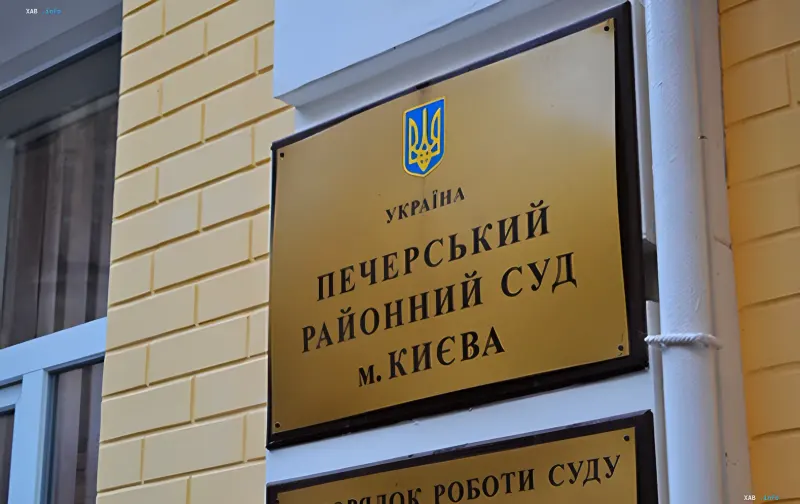
The situation surrounding the lawsuit is complicated by suspicions of a possible conflict of interest and a "court carousel." According to the "Judicial Power of Ukraine" portal and the Unified State Register of Court Decisions, the distribution of Borzykh's lawsuits shows signs of manipulation. ZN.UA previously reported on possible family ties between the plaintiff and the Chairman of the Pechersk District Court of Kyiv, Ruslan Kozlov. This raises questions about the impartiality of the case being heard in this specific jurisdiction. The parties are in unequal conditions: on one side, a resourceful individual with access to the judicial system; on the other, journalists defending the public's right to information. The publication's lawyer, Yevhen Vorobyov, stated that the lawsuit bears signs of pressure on journalists via judicial mechanisms and inflated financial demands.
Context: "Initiative 143" and Pressure on Media
The Borzykh case is not an isolated incident. The Pechersk District Court of Kyiv has recently become the subject of sharp criticism from the media community due to rulings restricting freedom of speech. A striking example was a court ruling in July 2026, which introduced a temporary ban on publishing a joint investigation by "Slidstvo.Info" and the Anti-Corruption Action Center. The material concerned the property of the brother of the Head of the State Bureau of Investigation, Oleksandr Sukhachev. The court justified the ban with "measures to secure a future claim," citing potential "irreparable damage" and a breach of commercial secrecy.
Public Reaction and Media Solidarity
The precedent of blocking the investigation into Sukhachev sparked a wave of outrage and led to the creation of "Initiative 143." Eight leading Ukrainian media outlets simultaneously published the blocked material, and subsequently, dozens of editorial boards joined the solidarity action. The investigation, which the court tried to stop, gathered millions of views in just a few days. The ZN.UA editorial board believes that legislative restrictions on publishing the names of suspects are a threat to freedom of speech and contradict European standards. In the upcoming court proceedings, the publication will actively defend its position, viewing the case as a matter of the media's right to inform society about corruption.